1. Background on Mobile Crushers and Market Context
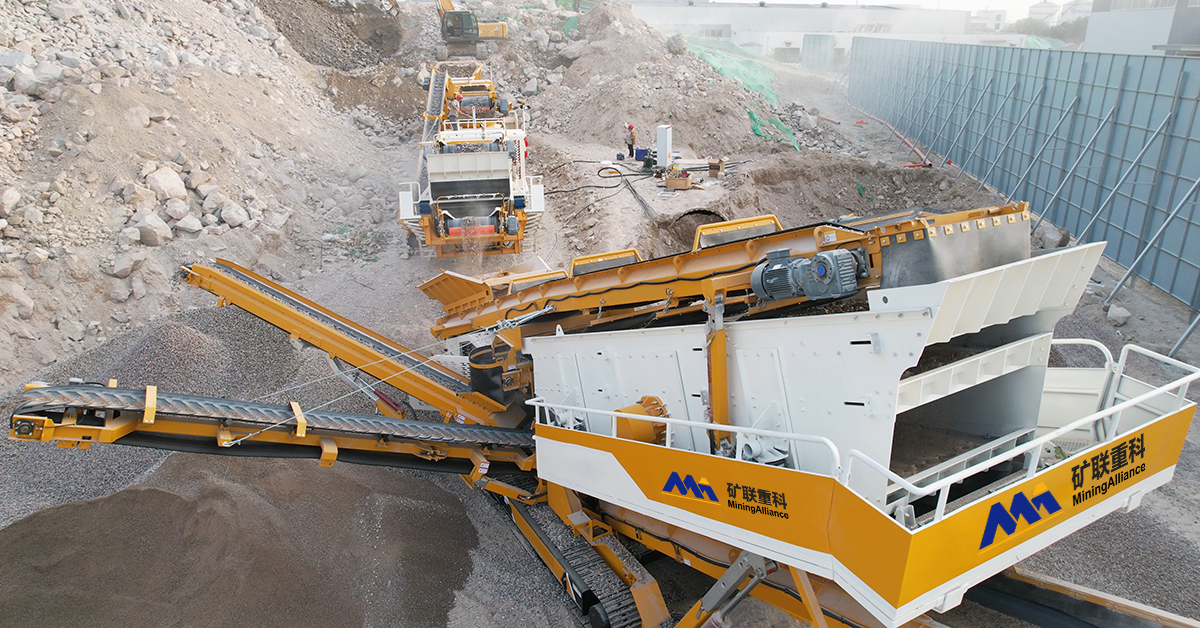
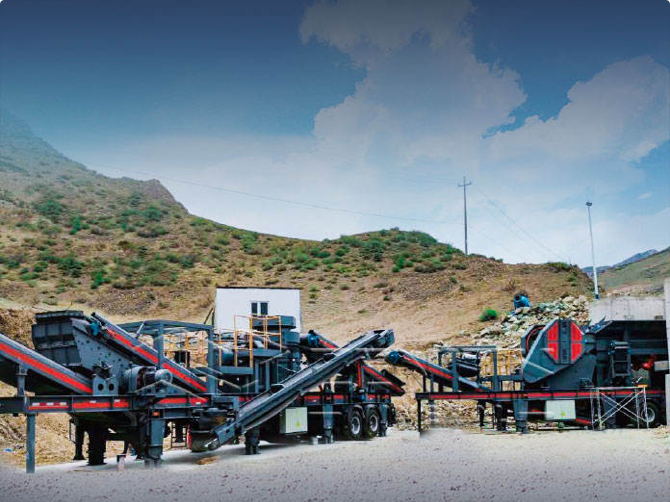
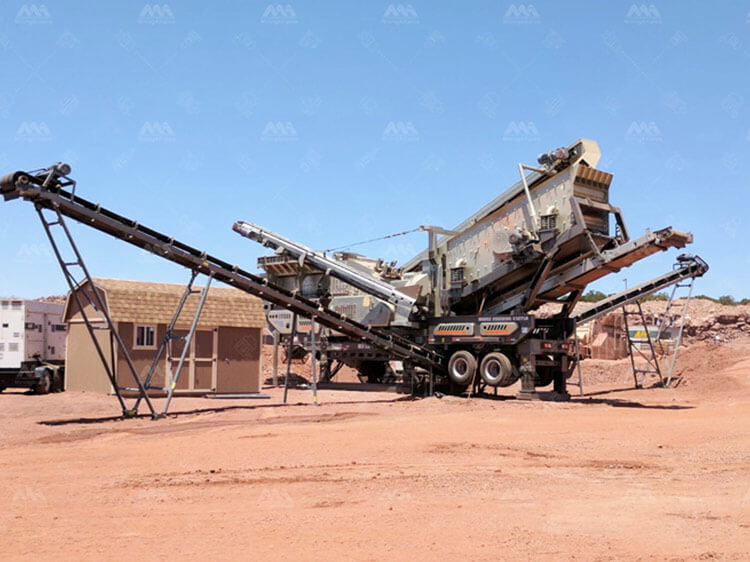
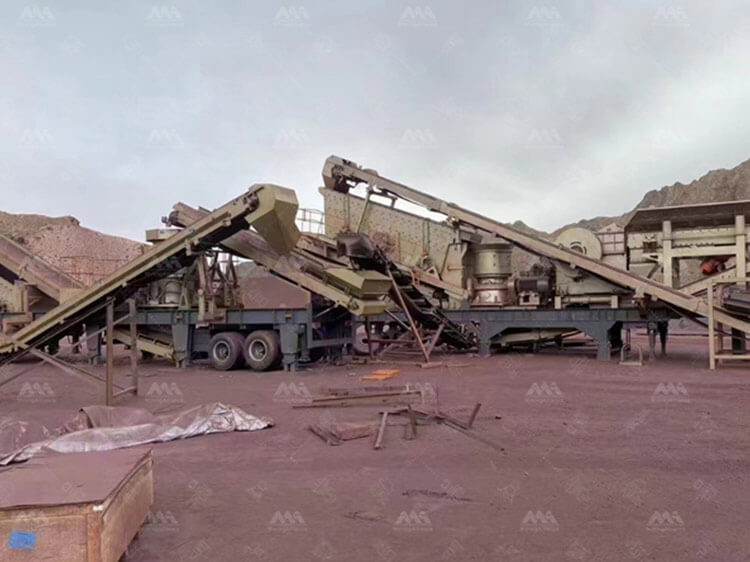
Mobile crushers are self-contained units mounted on chassis for easy transport to remote or urban sites. They process rocks, concrete, and waste into usable aggregates without fixed plants, saving time and logistics costs.
Types and Configurations
Crushers come in four main types, each suited to specific materials and stages of crushing:
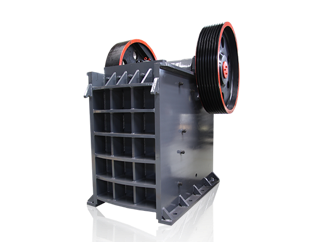
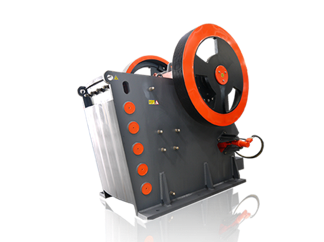
- Jaw crushers: Primary crushers with a fixed and moving jaw to grip and break large, hard rocks. Ideal for initial size reduction.
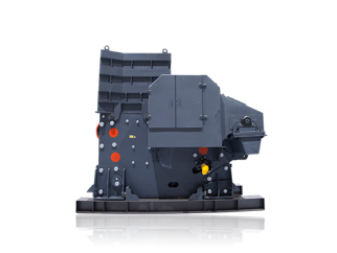
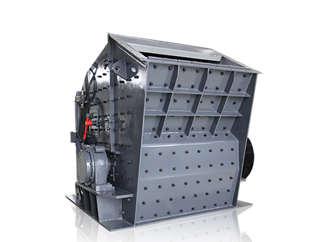
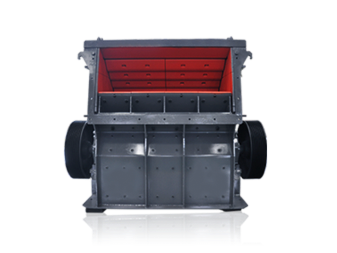
- Impact crushers: Use high-speed rotors to hurl material against breaker plates, excelling at softer stones like limestone and producing cubical shapes for asphalt.
- Cone crushers: Secondary/tertiary units with a rotating mantle inside a concave bowl, perfect for medium-hard materials needing precise sizing.
- Hybrid units: Combine types (e.g., jaw + cone) in multi-stage plants for one-pass processing.
Mounting options include tracked (rubber tracks for rough terrain, steep inclines, and zero-turn capability) versus wheeled (tires for highways and flat sites, faster towing but less off-road prowess).
Key Applications
These machines shine in:
- Aggregates production: Quarries crushing granite or basalt into road base.
- Mining: On-site ore processing to cut haulage costs.
- Construction/demolition waste recycling: Turning rubble into reusable fill, aligning with circular economy goals.
- Road building: Mobile units follow paving crews, recycling old asphalt on-site.
Market Overview
Demand surges due to flexibility (relocate in hours), environmental perks (less dust/emissions via enclosed designs), and urbanization straining fixed plants.
Chinese manufacturers dominate volume production in Asia and lead in exports to emerging markets, benefiting from scale, competitive pricing, and rapid manufacturing. Brands like SBM (Shanghai Shibang Machinery) and MiningAlliance (Zhengzhou MiningAlliance Machinery) offer comprehensive lines of tracked and wheeled units, often with strong customization for local conditions.
MiningAlliance positions itself between large Chinese manufacturers and international brands.
Rather than competing on scale or brand history, it focuses on project-based mobile crushing solutions, especially for tracked mobile crushers, tire mobile crushers, and mini mobile crushers used in small to mid-scale projects.
European brands, lead in premium segments, particularly in high-regulation markets in Europe and North America. These companies leverage decades of R&D heritage for advanced engineering, focusing on durability, efficiency, and compliance with stringent safety and emissions standards.
Key Differences: Side-by-Side Comparison
Price and Cost-Effectiveness
Chinese mobile crushers typically command significantly lower initial purchase prices—often 30–60% of equivalent European models—making them attractive for budget-conscious buyers, smaller contractors, or short-to-medium-term projects. Operating expenses can also benefit from cheaper spare parts and simpler maintenance in domestic or regional supply chains.
European units carry higher upfront costs due to premium components, rigorous testing, and advanced features. However, in demanding, high-volume, or long-term applications, they may deliver lower total cost of ownership (TCO) through higher uptime, better fuel efficiency, and extended service intervals. For large-scale quarries or operations requiring consistent performance over years, the premium can pay off via reduced downtime and higher productivity per ton.
Build Quality, Durability, and Reliability
European manufacturers emphasize mature engineering with heavier-duty frames, superior wear-resistant materials, and optimized designs proven in abrasive conditions. Features such as robust crushing chambers, high-quality bearings, and consistent performance contribute to strong brand recognition and longevity. Units often withstand harsh environments with minimal unplanned stops, supporting high resale values.
Chinese brands have improved rapidly in recent years. Top-tier players like MiningAlliance incorporate high-manganese steel, advanced hydraulics, and modern designs that approach parity in many mid-range applications. Variability remains, however: premium Chinese models deliver reliable performance, while lower-end options may show weaknesses in extreme wear or prolonged heavy-duty use. Many now undergo international certifications and export-focused quality controls.
Technology and Innovation
European leaders excel in advanced automation, digital connectivity (remote diagnostics via Metso Metrics), fuel-efficient hybrid/electric powertrains, safety interlocks, and low-noise/dust designs. Sustainability features—such as reduced hydraulic reliance and energy recovery—position them well in regulated markets.
Chinese manufacturers offer competitive practical technology, including efficient hydraulics, modern PLC controls, energy-saving motors, and integration of global-standard components. They often iterate quickly, incorporating feedback from diverse global projects to deliver cost-effective innovations like modular designs or enhanced dust suppression.
Customization and Flexibility
Chinese producers frequently stand out for bespoke configurations—tailoring units to specific feed materials, desired output gradations, site constraints, or multi-stage setups. Easier modifications and modular options suit diverse or evolving projects, with faster lead times for custom builds.
European models tend toward standardized, highly engineered platforms with proven performance envelopes. While options exist, base designs prioritize optimization for common high-demand scenarios rather than extensive per-customer customization.
After-Sales Support, Parts Availability, and Service
European brands benefit from extensive global dealer networks, readily available genuine parts, comprehensive technical training, and responsive support. This ecosystem ensures minimal downtime in remote or regulated regions and supports higher resale values.
Chinese support has advanced significantly, with overseas offices, local partnerships, and export-focused service improving in key markets (Africa, Southeast Asia, Middle East). Parts are often more affordable and available quickly domestically or via regional hubs, though international response times and technician access can vary by brand and geography.
Case Studies or Real-World Examples
In cost-sensitive urban recycling projects, contractors often select Chinese mobile impact or jaw units for C&D waste processing. A mid-sized recycling operation in a growing Asian city might deploy a tracked MiningAlliance impact crusher for its lower acquisition cost, quick setup on temporary sites, and sufficient capacity for processing concrete and asphalt into reusable aggregates. The unit’s flexibility allows rapid relocation as demolition phases progress, delivering fast ROI without requiring extensive service infrastructure.
Conversely, a high-output quarry in a European or North American regulated environment might choose a cone or jaw crusher for strict uptime requirements and abrasive hard rock. Features like advanced automation, hybrid power options, and real-time diagnostics minimize downtime in continuous operations, while compliance with noise, dust, and emissions rules avoids regulatory penalties.
Hybrid scenarios also emerge: operators start with Chinese units for initial phases or pilot projects, then scale to European equipment for core long-term production as needs evolve.
Which One Should You Choose?
The decision between Chinese and European mobile crushers ultimately depends on project specifics, operational priorities, and total lifecycle considerations. Neither is universally superior—both categories have matured and can deliver strong results when matched correctly.
European brands:
- Strong brand recognition
- Mature standard models
- Higher price level
Chinese manufacturers (including MiningAlliance):
- More flexible configurations
- Easier customization for material and output
- Better cost-performance ratio for overseas projects
For many contractors, the choice depends more on project scale and budget than brand origin.
How should buyers choose manufacturers?
- International brands: suitable for large, standardized, long-term operations
- Large Chinese manufacturers: suitable for buyers seeking broad product coverage
- Specialized suppliers (e.g. MiningAlliance): suitable for project-based, budget-sensitive, flexible mobile crushing projects
Many buyers adopt a mixed fleet strategy: Chinese units for flexible or auxiliary tasks, European for core high-duty applications. Always evaluate total cost of ownership—including fuel, maintenance, parts, downtime, and productivity—rather than purchase price alone.