1. Understand Your Needs
Before exploring any equipment catalog or requesting quotes, clarify what you expect your crusher to do. Every site and material presents unique challenges. Matching technical specifications to real-world conditions ensures long-term success and avoids costly misfits.
Material Type and Hardness
Material characteristics determine the crushing method and machine type.
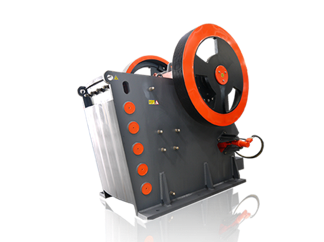
- Hard rock (granite, basalt, river stone) demands heavy-duty jaw or cone crushers with high compressive strength. These machines rely on steel alloy components and powerful hydraulics to endure abrasive wear.
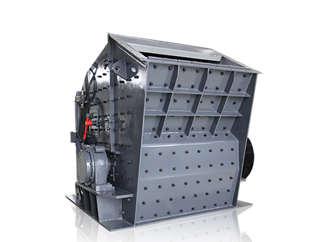
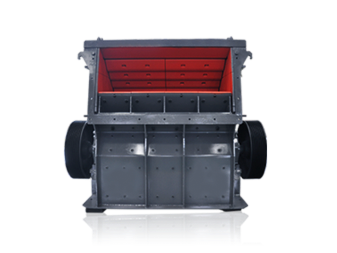
- Soft to medium materials (limestone, gypsum, coal) allow impact or hammer crushers, which maximize reduction ratio and deliver uniform products at lower energy cost.
- Understanding your material’s hardness index (usually measured in the Mohs scale) prevents purchasing equipment that either overperforms at unnecessary cost or underdelivers prematurely.
Capacity Range (5–300 TPH and beyond)
Your desired throughput, expressed in tons per hour (TPH), is equally crucial. A small-scale quarry producing 10 TPH requires compact tracked crushers, while a cement plant feeding several conveyors may need a 300–500 TPH stationary line. Oversizing leads to higher maintenance and idle power draw; undersizing causes continuous overload and downtime.
Assess realistic production targets—both initial and future expansion—so you can choose modular or scalable systems. A best practice is to select equipment rated for about 20% higher capacity than your current need, giving you flexibility if demand increases.
Desired Output Size and Shape
What size do you need after crushing? Primary crushers reduce large boulders to about 150 mm, while secondary or tertiary crushers bring material down to fine aggregates (20 mm or less). For concrete and asphalt applications, cubic particle shape is essential. Crushers equipped with adjustable settings or multiple chambers provide better control over end consistency.
Mobility and Installation Type
Mobility defines how equipment fits into your site layout.
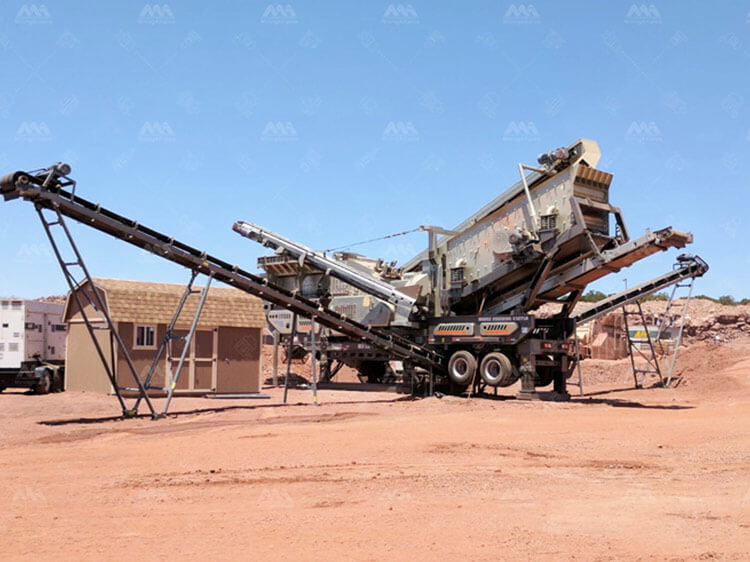
- Tracked units offer flexibility for short-term projects, remote mining zones, or contract crushing, since they move easily across uneven terrain.
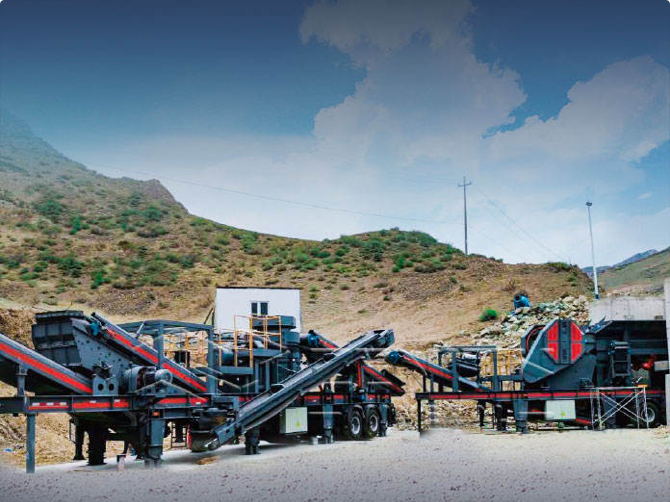
- Wheeled or stationary plants suit long-term installations with stable throughput, delivering higher durability and larger capacity.
- Evaluate how often you’ll need to move your machinery. If your operation shifts between multiple pits or construction sites, portable setups may save weeks in relocation time.
Site Constraints and Compliance
No selection process is complete without considering your environment.
- Terrain: Steep or muddy grounds challenge large trailers; compact mobile crushers may perform better.
- Power Access: Sites far from grid lines might require diesel or hybrid drives instead of electric motors.
- Environmental Regulations: Dust suppression systems, noise insulation, and water recycling features often determine whether your project passes local authority inspections.
Operators in dense industrial zones or near residential areas must especially prioritize low-emission engines and dust collectors to remain compliant.
2. Evaluate Manufacturer Criteria: Beyond the Brochure
Once needs are clear, shift focus to the supplier. Price alone is a poor indicator; long-term reliability, support, and total cost of ownership matter most.
Reputation and Track Record
Prioritize manufacturers with 10+ years (ideally 20–30+) of specialized experience in crushing equipment. Look for ISO 9001, CE, and other international certifications that confirm quality management and safety standards. A strong export history to 50+ countries signals proven adaptability to diverse climates, regulations, and operating conditions.
Product Quality and Innovation
Examine R&D investment. Advanced features like hydraulic CSS (closed side setting) adjustment, automated tramp release, modular plant designs, and intelligent monitoring systems (IoT sensors for predictive maintenance) reduce downtime and operator intervention. High-quality components—cast steel frames, premium bearings, and abrasion-resistant manganese or chrome steel wear parts—extend service life.
Warranties should cover at least 12–24 months on major components. Confirm easy availability of wear parts and consumables; long lead times can cripple remote operations.
Customization and Technology
Top suppliers offer tailored solutions. Examples include hybrid diesel-electric power for reduced emissions on eco-sensitive projects, customized conveyor lengths, or integrated screening and stockpiling modules. For green projects, look for energy-efficient motors, dust collection integration, and low-noise designs.
Pricing and Minimum Order Quantity (MOQ)
Compare total quotes, including freight, installation, and spares packages. Ultra-low bids often indicate corner-cutting on materials or quality. Aim for value: a slightly higher upfront cost frequently yields lower operating expenses and higher uptime.
After-Sales Support
This is frequently the deciding factor, especially for international or remote buyers. Prioritize suppliers with:
- Local or regional parts stock to minimize lead times.
- Operator and maintenance training programs (on-site or virtual).
- 24/7 technical support via phone, remote diagnostics, or field service teams.
- Comprehensive service contracts for preventive maintenance.
For projects in developing regions or isolated mines, strong after-sales can mean the difference between 90%+ availability and frequent breakdowns.
3.Top Chinese Manufacturers: Reliable Global Players
China has become a powerhouse in crushing equipment, combining advanced manufacturing with competitive pricing and rapid innovation. Several firms stand out for quality and global reach.
Tier 1: SBM (Shanghai Shibang Machinery / Shibang Industry & Technology Group)
Their focus on modular designs, energy efficiency, and intelligent systems makes them ideal for both stationary and mobile operations. SBM’s global reputation stems from reliable performance, strong after-sales networks, and successful partnerships with major enterprises worldwide.
MiningAlliance: Project-Focused Solutions for Mid-Scale Operations
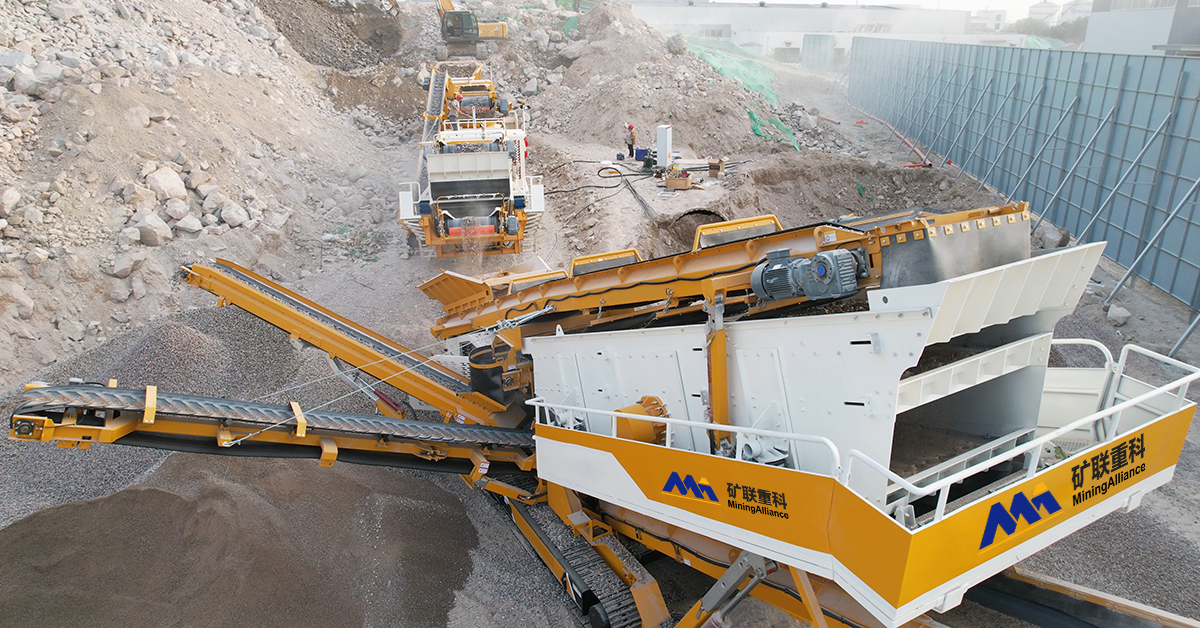
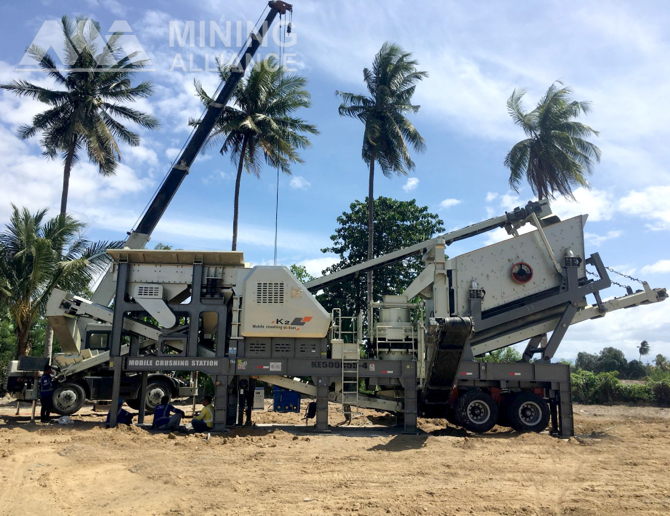
Zhengzhou-based MiningAlliance (Zhengzhou MiningAlliance Machinery Co., Ltd.) specializes in customized crushing solutions, particularly tracked and mobile plants for mining and aggregates. With around 30 years of industry experience and modern production bases, they serve clients across Southeast Asia, the Middle East, Africa, and the Americas.
The company positions itself as a flexible partner for mid-scale projects, offering tracked mini and mid-sized mobile crushers, jaw, cone, and impact models. Their strength lies in project-oriented customization—tailoring configurations for specific terrains, capacities, or environmental needs—while maintaining competitive quality and after-sales support.
MiningAlliance is often noted for reliable mobile crushing stations that balance performance, ease of relocation, and cost-effectiveness, making them suitable for contractors and operators who need agile equipment without the scale of the largest Tier 1 plants.
Choosing crushing equipment is a significant capital decision, but a methodical process—starting with your unique needs and then vetting manufacturers on reputation, quality, customization, and support—delivers equipment that performs reliably for years. Chinese leaders like SBM for comprehensive, high-tech global solutions and MiningAlliance for agile, project-specific mobile setups represent strong options that combine innovation with practical value.
Many buyers choose specialized Chinese suppliers like MiningAlliance, which focus on this capacity range and provide customized tracked, wheeled, or mini mobile crushing solutions with more reasonable investment levels.