What Are Mobile Crushers and Why Do International Contractors Need Them?
The modern construction and mining landscape depends heavily on versatile, efficient material processing equipment. Among the most transformative of these machines are mobile crushers, which enable contractors to process aggregates, ores, and demolition debris directly at the job site. This mobility reshapes how major infrastructure, mining, and recycling projects are executed worldwide.
Mobile vs. Stationary Crushers
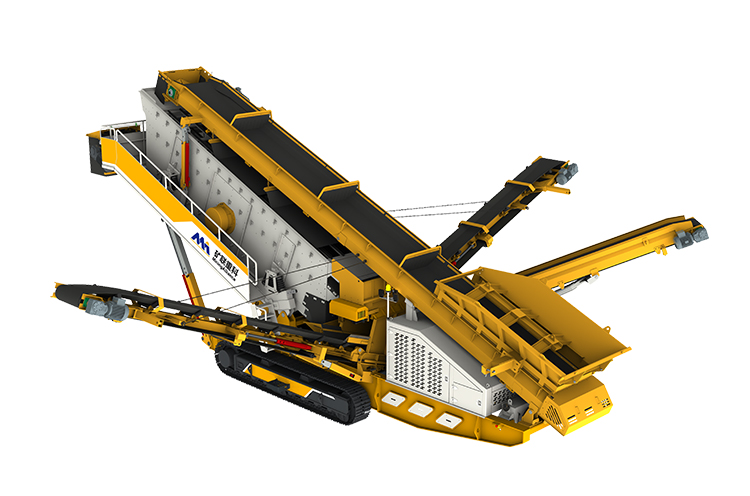
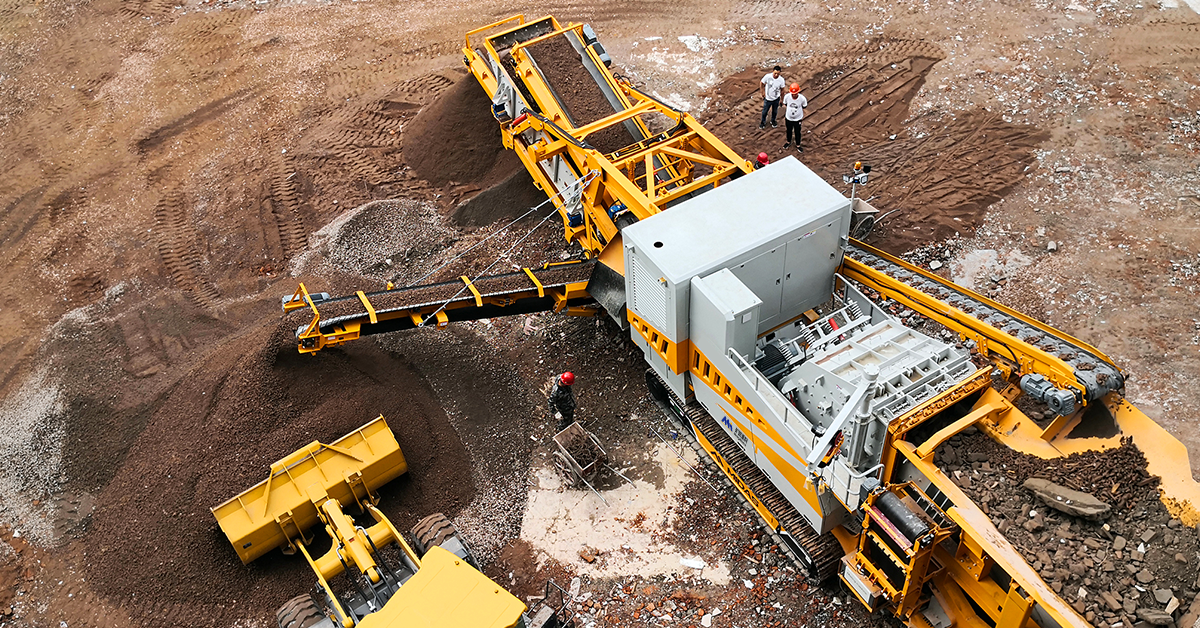
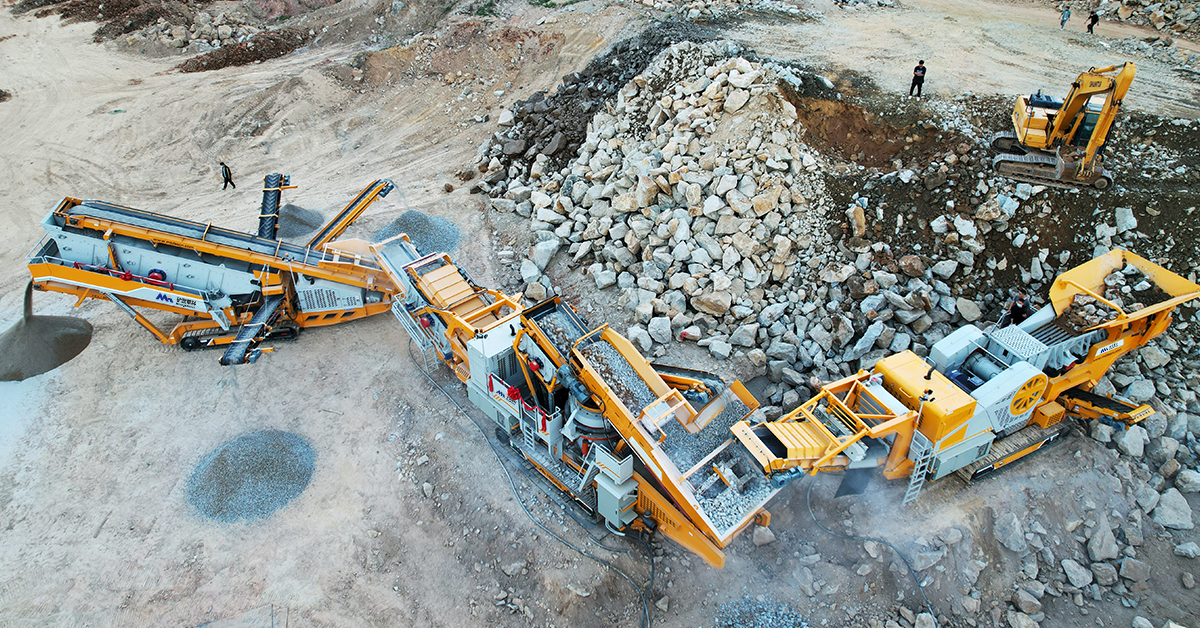
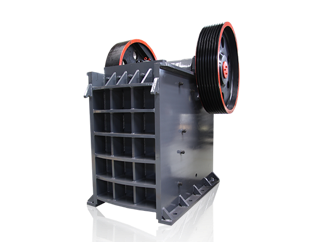
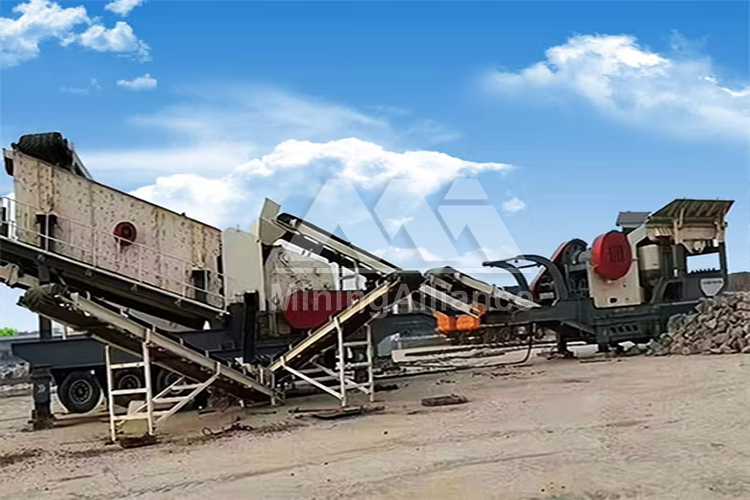
A mobile crusher is a crushing unit mounted on tracks or wheels, designed for on-site material reduction without the need for complex foundations or permanent installations. In contrast, stationary crushers—requiring fixed plants and dedicated space—are more suitable for long-term quarry operations where materials are consistently processed in one location. Portable crushers sit somewhere in between: technically movable, but still needing disassembly and transport, often by trailer truck.
Core Applications
For international contractors, mobility translates into adaptability across diverse markets:
- Aggregate production: Crushing stone or gravel on-site for road and bridge construction.
- Mining and quarrying: Producing graded ore or mineral feedstock directly at extraction zones.
- Construction and demolition recycling: Processing waste concrete, bricks, and asphalt into reusable aggregates.
- On-site material processing: Reducing time delays by converting excavated or blasted material immediately.
In emerging infrastructure programs—such as highways in Africa or smart cities in Southeast Asia—mobile crushers allow contractors to meet strict project deadlines with reduced logistical complexity.
Contractor Pain Points Mobile Crushers Address
Global contractors face recurring pressures:
- High fuel and labor costs: Moving dense materials by truck across sites consumes large resources. Mobile crushers eliminate this by reducing material volume at source.
- Tight schedules: Mobility and faster setup mean crushing operations start days sooner, aligning productivity with schedule targets.
- Variable site conditions: Adaptable track drives, modular feeders, and configurable screens allow performance in rugged terrain or high-density urban areas.
- Capital efficiency: Instead of investing millions in permanent plants, contractors can deploy mobile units for temporary or multi-location use, balancing flexibility with output.
- Environmental goals: Reduced transportation lowers carbon emissions. Advanced dust and noise suppression systems also help meet sustainability commitments increasingly required in international bids.
Overview of the Chinese Mobile Crusher Market
China’s heavy machinery industry has evolved dramatically over the past two decades, transforming from low-cost production into a sophisticated global sector recognized for technology, reliability, and cost competitiveness. The Chinese mobile crusher segment now stands as one of the most dynamic globally, supplying both domestic and export markets.
Leading Manufacturers
Several Chinese companies are known for producing mobile crushers that meet international standards:
SBM (Shibang Industry & Technology Group): A long-established manufacturer recognized for advanced designs and export success. SBM machines are CE and ISO certified and frequently appear in European and African projects.
MiningAlliance: A rising exporter focusing on high-efficiency tracked units with robust structural frames and competitive pricing. The brand has gained visibility across Belt and Road markets.
Technology and Design Improvements
Modern Chinese mobile crushers emphasize:
- High throughput: Optimized rotor geometry and larger feed openings enable efficient handling of hard rock or recycled concrete.
- Durable construction: Welded or bolted steel frames increase longevity under continuous use.
- Smart controls: PLC and touchscreen systems facilitate operation by multilingual teams and provide remote diagnostics.
- Energy efficiency: Variable-speed drives and smart power management systems reduce fuel consumption.
- Customization: Manufacturers increasingly tailor wheel or track designs, power units, and screening modules to client specifications.
Market Position and Global Reach
Chinese mobile crushers typically cost 20–40% less than comparable European or American units while offering competitive production rates.
This pricing advantage fuels their widespread adoption in:
- Belt and Road Initiative (BRI) infrastructure projects.
- Emerging construction economies in Southeast Asia, South America, and Africa.
- Contracting firms seeking to expand fleets rapidly without overextending capital budgets.
Quality levels, however, vary. While leading exporters maintain stringent standards, low-cost “no-name” models still circulate—often lacking robust after-sales service or structural reliability. Contractors must therefore differentiate between premium Chinese brands (SBM, MiningAlliance etc.) and budget options intended for short-term or low-demand use.
Pros: Why Chinese Mobile Crushers Might Be Worth Buying
For many international contractors, especially those in emerging markets or handling mid-tier projects, Chinese mobile crushers offer compelling value:
Cost-effectiveness:
Significantly lower purchase prices enable faster ROI, particularly for short-to-medium-term projects or competitive bidding. Lower CapEx frees capital for other needs while still delivering solid productivity.
Performance and features:
Competitive throughput, excellent mobility (especially tracked models in rough terrain), and improving energy efficiency in newer hybrid designs. Features like quick-setup hydraulics and integrated screening reduce overall project costs.
Customization and availability:
Easier tailoring to specific material types, output sizes, or site constraints. Large manufacturing bases allow faster production and delivery compared to some Western suppliers.
Support and standards:
Leading exporters have built growing international service networks, spare parts availability, and basic global certifications (CE, ISO). They perform well in high-volume aggregate production or recycling where extreme duty cycles are less critical.
Suitability for specific needs:
Ideal for BRI-style infrastructure, recycling operations, or contractors entering new markets without massive upfront investment. Many users report reliable performance when properly matched to job requirements and maintained.
How to Choose a Reliable Chinese Mobile Crusher Supplier
The growing number of manufacturers requires careful vetting to ensure product value aligns with project demands. Contractors should balance technical evaluation with supplier reputation and support infrastructure.
Are International Mobile Crusher Brands Always Better?
Not necessarily. While top Western brands offer cutting-edge engineering and proven track records, their price and lead times may be prohibitive. For many contractors, the incremental gains in performance don’t justify double or triple the cost, especially for temporary overseas projects.
While international brands certainly possess advantages in terms of brand heritage and global service networks, small-to-medium-scale projects—specifically those ranging from 5 to 300 TPH—often encounter the following issues:
- High investment costs
- Relatively rigid configurations
- Extended delivery lead times
In contrast, certain specialized Chinese manufacturers (such as MiningAlliance) place a greater emphasis on project suitability; provided that all technical requirements are met, the overall investment costs remain significantly more controllable.
Modern Chinese suppliers have narrowed the quality gap significantly. The choice depends on each contractor’s priorities:
For flagship mines or permanent plants, established global brands may still appeal.
For mobile fleets serving fast-turnaround contracts, Chinese machines often provide the better balance of performance and cost.
Distinguishing Comprehensive vs. Specialized Suppliers
Comprehensive manufacturers typically possess extensive product lines, ranging from stationary crushing equipment to mineral processing machinery, grinding mills, and more;
Specialized manufacturers, conversely, focus on a select few product categories.
For example:
Comprehensive: SBM (offering a broad product scope)
Specialized: MiningAlliance (focusing on tracked, wheeled, and mini mobile crushers)
For projects requiring flexible configuration and engineering support, specialized manufacturers often facilitate more efficient communication.