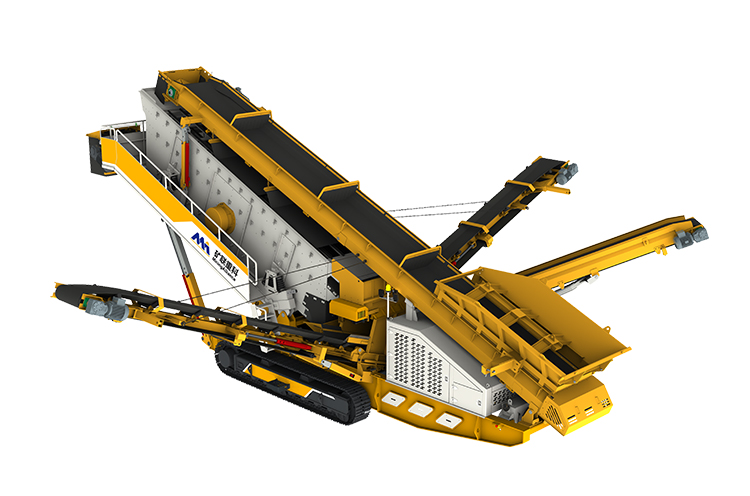
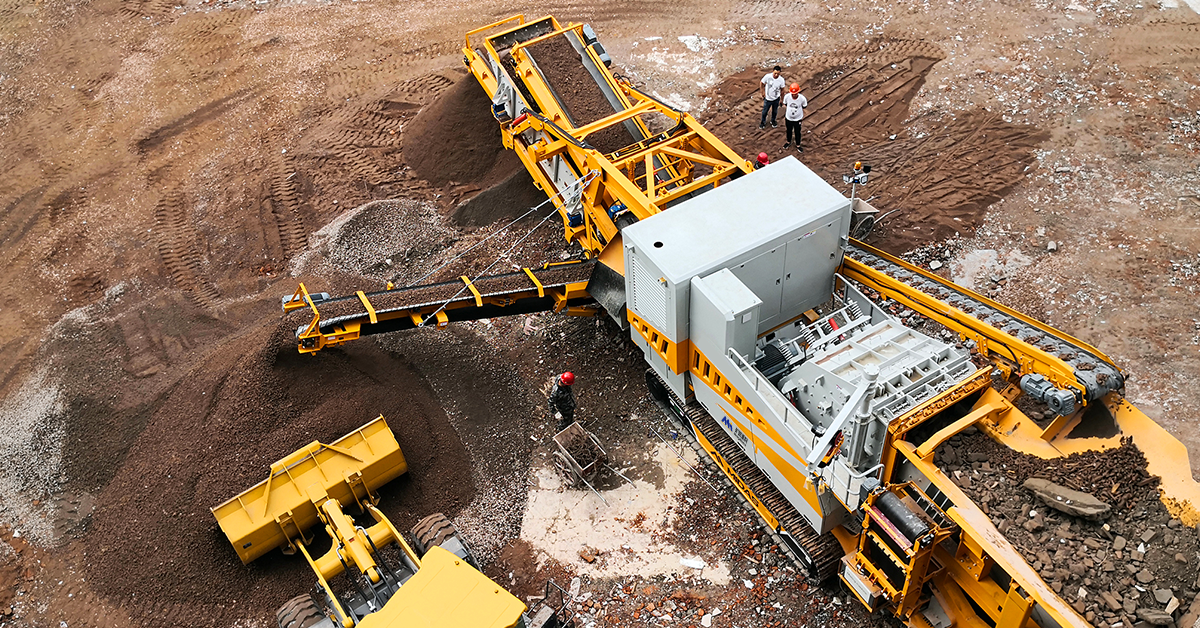
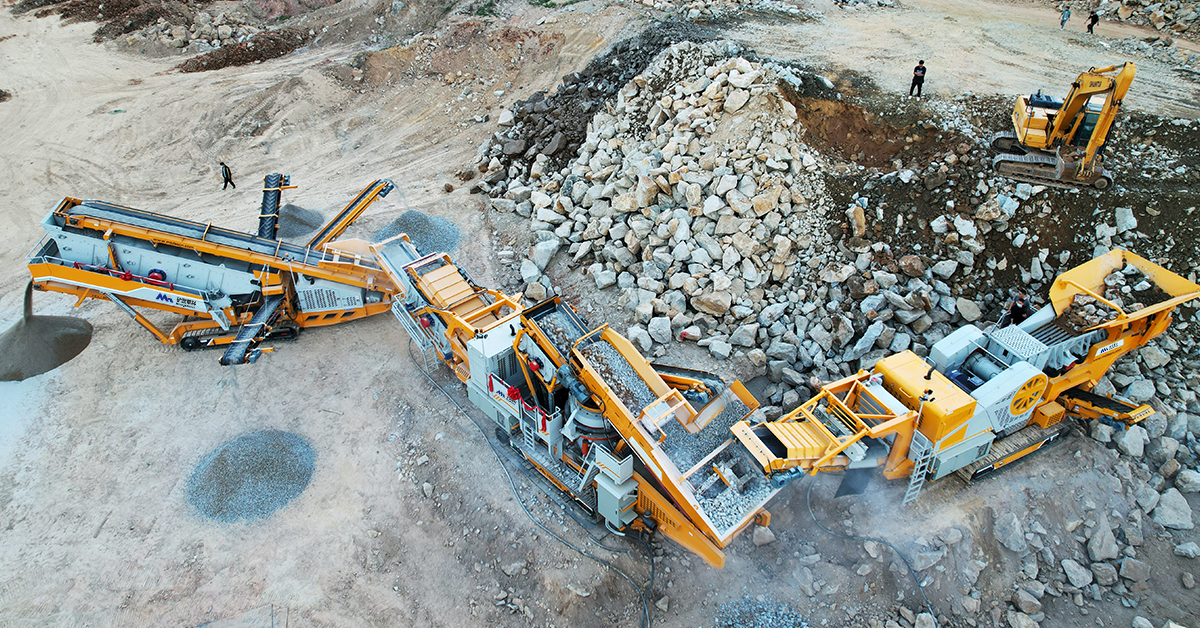
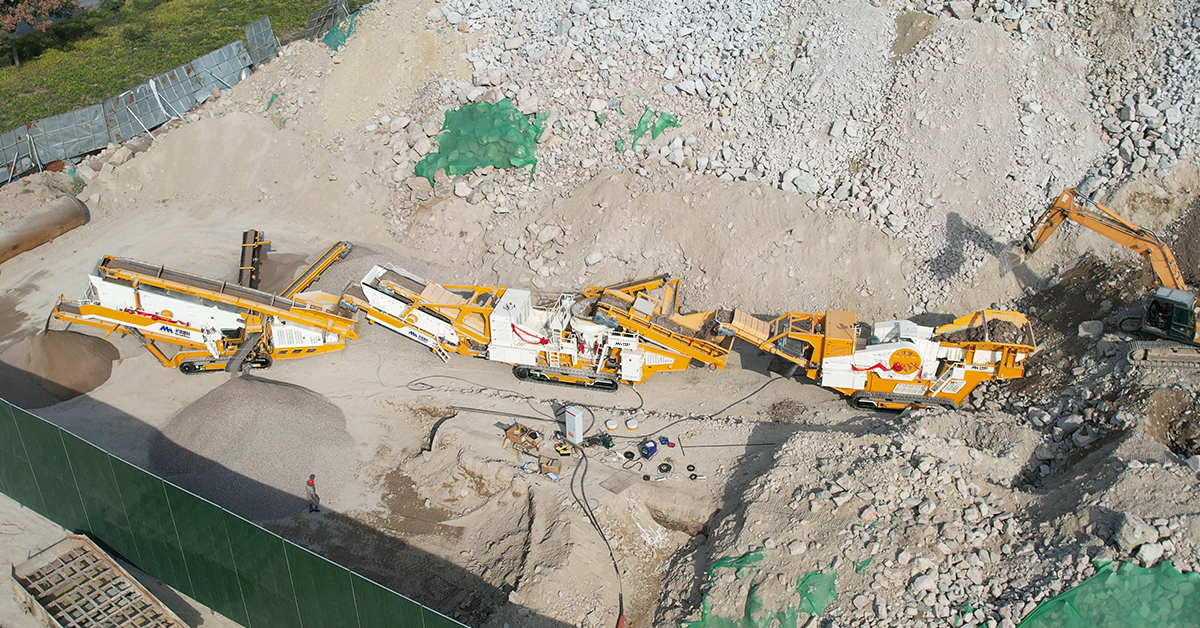
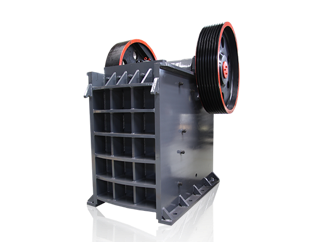
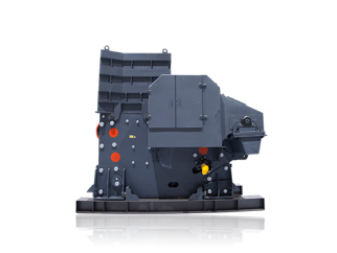
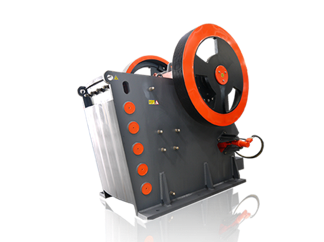
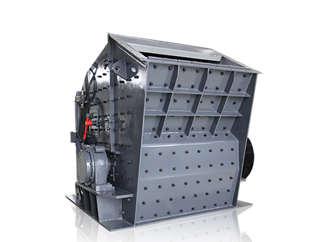
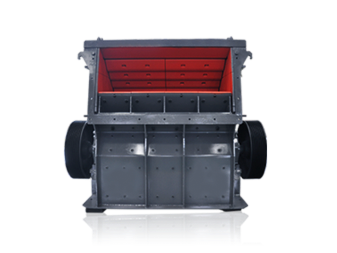
The mobile crusher plant has emerged as a transformative force in the mining and construction industries, fundamentally reshaping how materials processing operations are conducted across global markets. These innovative machines represent a significant departure from traditional stationary crushing systems, offering unprecedented flexibility and operational efficiency that has captured the attention of industry leaders worldwide.
Market Evolution and Technological Advancement
The global market for mobile crusher plants has experienced remarkable growth, driven by increasing infrastructure development and urbanization trends. These versatile machines have revolutionized material processing by bringing crushing capabilities directly to the source, eliminating the need for expensive transportation of raw materials to fixed processing facilities. The technology has evolved from simple mobile units to sophisticated, multi-stage processing plants capable of producing various aggregate sizes and specifications.
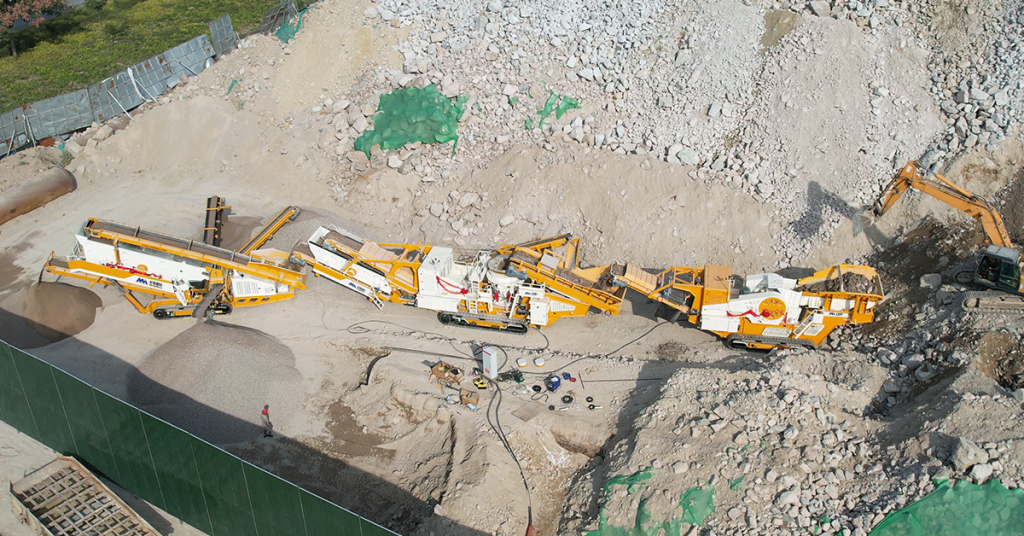
Modern mobile crusher plant designs incorporate advanced automation systems, GPS tracking, and remote monitoring capabilities that enhance operational efficiency while reducing labor costs. This technological evolution has enabled operators to achieve higher throughput rates, improved product quality, and reduced environmental impact compared to traditional crushing methods.
Economic Impact and Market Penetration
The adoption of mobile crusher plants has created significant economic ripple effects across multiple sectors. Construction companies have reported substantial cost savings through reduced material transportation expenses and improved project timelines. The ability to process materials on-site has eliminated the dependency on external suppliers, providing greater control over material quality and availability.
Mining operations have particularly benefited from the flexibility offered by these units. Mobile crusher plants enable companies to follow ore bodies more efficiently, reducing the need for extensive conveyor systems and permanent infrastructure in remote locations. This adaptability has opened previously uneconomical mining prospects and extended the operational life of existing sites.
Regional Market Dynamics
Different geographical regions have shown varying adoption rates and applications for mobile crusher plant technology. Developed markets in North America and Europe have embraced these systems primarily for recycling applications and urban construction projects, where space constraints and environmental regulations favor mobile solutions over permanent installations.
Emerging markets in Asia-Pacific and Africa have leveraged mobile crusher plants to accelerate infrastructure development programs. The rapid deployment capability of these units has proven invaluable in regions where permanent infrastructure development faces logistical or financial constraints. Countries experiencing rapid urbanization have found mobile crushing solutions essential for meeting growing demand for construction aggregates.
Environmental and Regulatory Considerations
Environmental sustainability has become a crucial factor driving mobile crusher plant adoption. These systems typically generate lower carbon emissions compared to traditional material transportation and processing methods. The ability to process materials locally reduces truck traffic and associated air pollution, particularly important in urban areas facing strict environmental regulations.
Noise reduction technologies and dust suppression systems integrated into modern mobile crusher plants have addressed community concerns about industrial operations in populated areas. This environmental compatibility has expanded the potential operating locations for these units, contributing to their growing market acceptance.
Competitive Landscape and Innovation
The mobile crusher plant market has attracted numerous manufacturers competing through technological innovation and service differentiation. Leading companies have invested heavily in research and development to improve fuel efficiency, increase processing capacity, and enhance operator safety features. This competitive environment has accelerated technological advancement while driving down operational costs for end users.
Equipment financing and leasing options have made mobile crusher plants accessible to smaller operators who previously could not afford such technology. This democratization of advanced processing equipment has intensified market competition and created opportunities for new business models focused on equipment sharing and contract processing services.
Future Market Trajectory
The global mobile crusher plant market continues to evolve with emerging technologies such as artificial intelligence, Internet of Things connectivity, and electric powertrains. These innovations promise to further enhance operational efficiency while addressing environmental concerns and operator safety requirements.
Market analysts project continued growth driven by infrastructure renewal programs in developed countries and ongoing development projects in emerging economies. The trend toward circular economy principles and increased emphasis on material recycling is expected to create new market segments and applications for mobile crushing technology.
The integration of mobile crusher plants into digital construction workflows and automated job sites represents the next frontier for market expansion. As the construction industry embraces digital transformation, mobile crushing equipment equipped with smart sensors and connectivity features will become essential components of modern material processing operations.