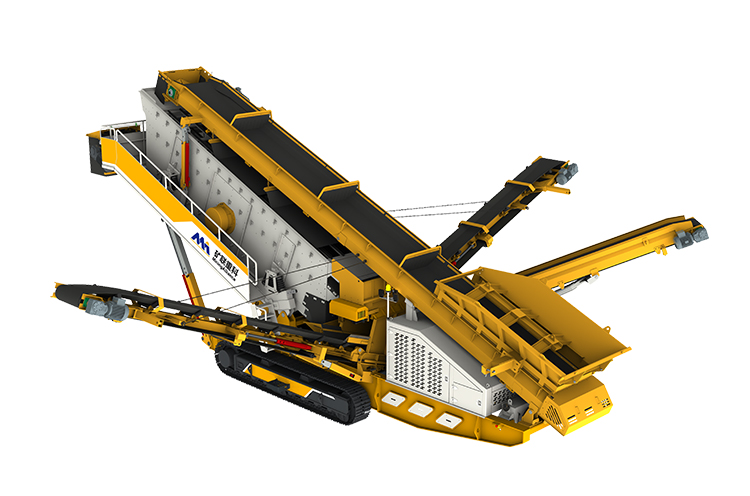
1. Quick Primer on Tracked Mobile Crushers
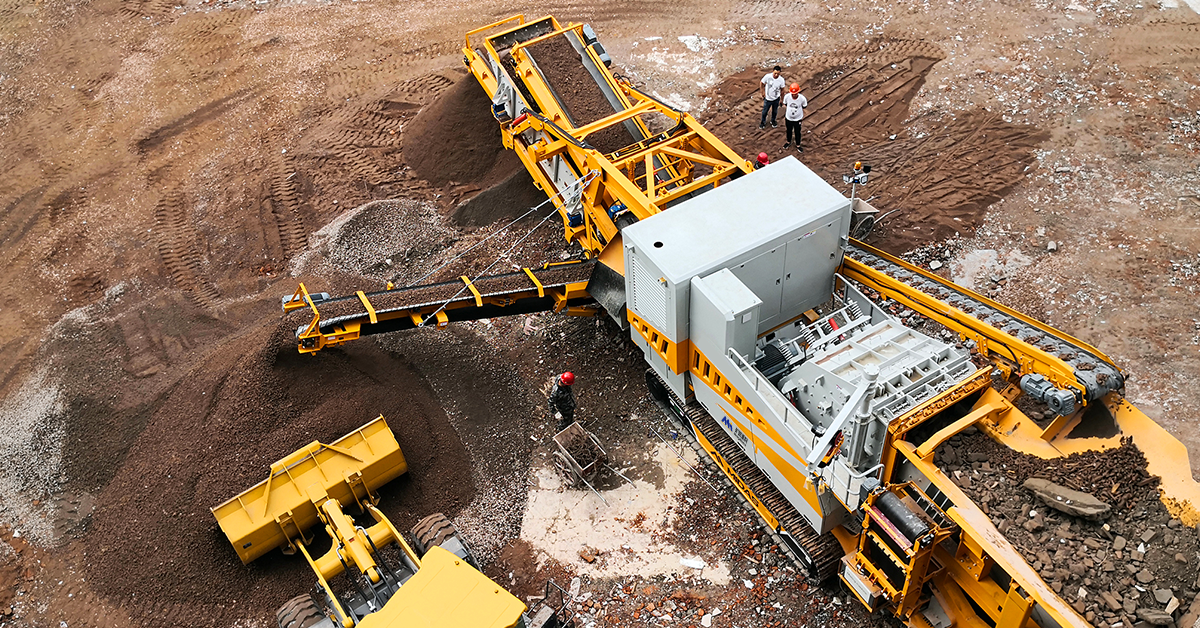
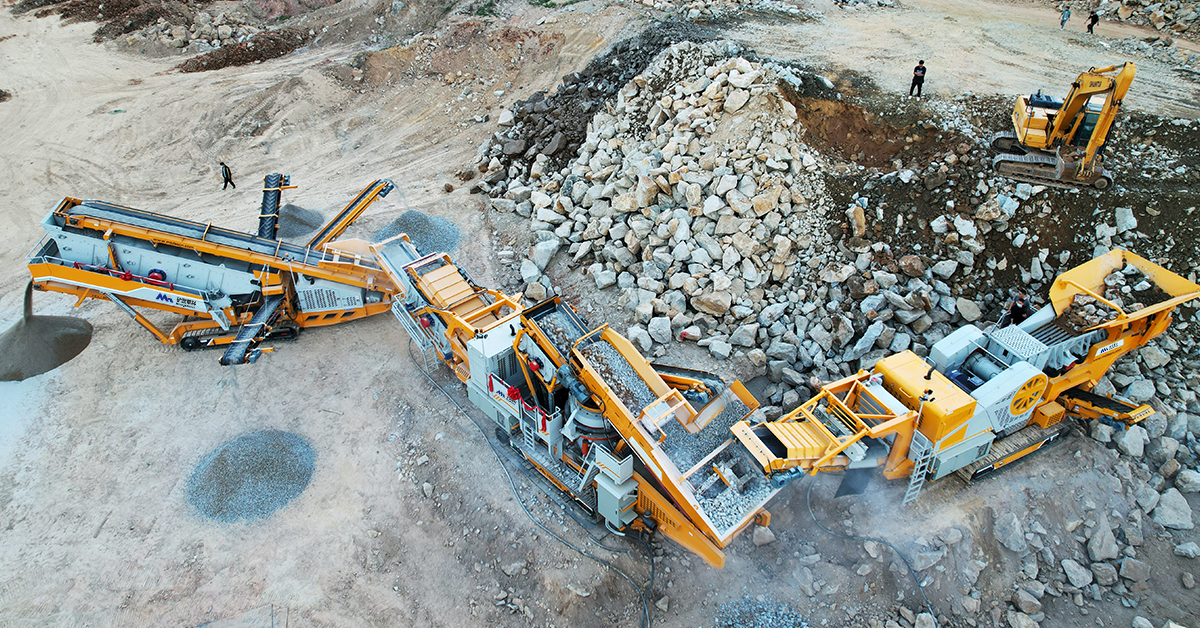
Tracked mobile crushers come in three primary types, each optimized for specific stages and materials:
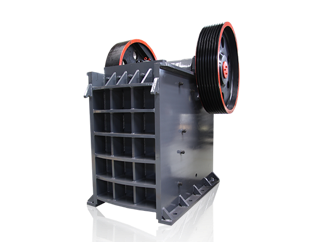
Tracked Jaw crushers
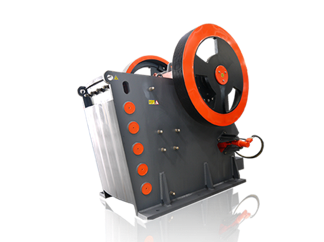
Jaw crushers excel at primary crushing of hard rock. They use compressive force between a fixed and moving jaw plate, handling large feed sizes (often 600–1,000 mm) and delivering coarse output suitable for hard, abrasive stone up to 400 MPa compressive strength.
Tracked Impact crushers
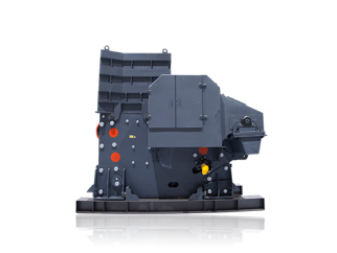
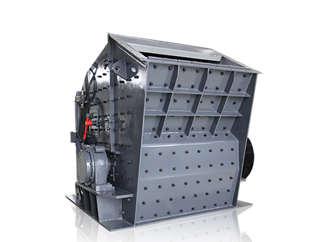
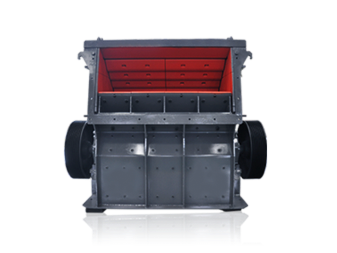
Impact crushers are the go-to for recycling and C&D waste. High-speed rotors and blow bars shatter material on impact, producing a more cubical product ideal for concrete, asphalt, and mixed demolition debris. They shine in secondary or standalone roles where shape and reduced fines matter.
Tracked Cone crushers
Cone crushers deliver secondary and tertiary crushing for finer, high-quality output. A rotating mantle inside a concave bowl provides consistent gradation and excellent particle shape, making them perfect for producing spec-ready aggregates in multi-stage setups.
The advantages of a tracked undercarriage:
- Excellent stability on uneven or soft ground thanks to low ground pressure (often under 1 kg/cm²),
- superior traction without damaging sensitive sites, and easy transport on low-loader trailers.
- Most models weigh 30–75 tonnes and break down to road-legal dimensions (typically under 3.5 m wide and 4 m high when folded), allowing rapid relocation between jobs.
- Key specs to compare include maximum feed size (determines what you can throw in), throughput in tonnes per hour (tph), reduction ratio (how much the material shrinks in one pass), and power source (diesel, hybrid diesel-electric, or full electric).
Brand differences matter enormously
A premium 400-tph unit with advanced automation might cost more upfront but slash fuel use and downtime on a large quarry contract.
A compact, recycler-focused 250-tph model, by contrast, can deliver better economics on short-term C&D jobs where quick setup and versatility trump raw capacity.
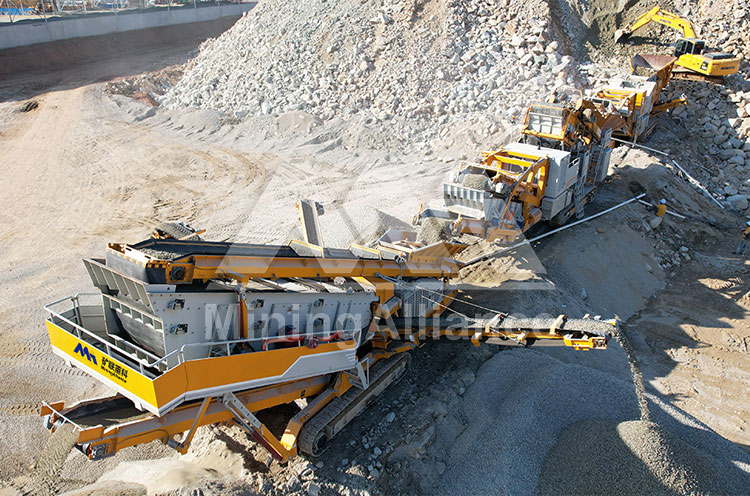
2. The Major Players: Brand Overviews
European brands
European brands is widely known for its engineering-driven approach to crushing equipment. The company invests heavily in research and development, focusing on energy efficiency, digital monitoring, and integrated production systems.
MiningAlliance (China)
MiningAlliance positions itself between large Chinese manufacturers and international brands.
Rather than competing on scale or brand history, it focuses on project-based mobile crushing solutions, especially for tracked mobile crushers, tire mobile crushers, and mini mobile crushers used in small to mid-scale projects.
MiningAlliance machines are engineered for rapid deployment and minimal maintenance, appealing to contractors who value quick setup and cost-effective performance in variable environments.
Chinese and European tracked mobile crushers
European brands:
- Strong brand recognition
- Mature standard models
- Higher price level
Chinese manufacturers (including MiningAlliance):
- More flexible configurations
- Easier customization for material and output
- Better cost-performance ratio for overseas projects
For many contractors, the choice depends more on project scale and budget than brand origin.
3. Head-to-Head Differences: The Core Comparison
Crushing Performance & Capacity:
European brands’s engineering shines in high-reduction-ratio applications and consistent output quality, especially with integrated pre-screening that diverts fines early.
MiningAlliance units deliver solid performance across hard rock and recycled materials, with impact models producing excellent cubical aggregates for road base or concrete.
Mobility & Setup:
Both excel, but MiningAlliance’s design philosophy—adaptability to “mountainous region, wet land, etc.”—gives it an edge on the most challenging sites.
European brands models prioritize fast hydraulic deployment and road-legal transport.
Power & Efficiency:
European brands’s strongest differentiator. Hybrid drives with full electric capability slash operating costs and emissions, with documented fuel savings of up to 40%.
MiningAlliance’s dual-power option provides backup reliability and is often more affordable to purchase and service.
5. How to Choose the Right Brand
How should buyers choose between international brands, large Chinese manufacturers, and specialized suppliers?
- International brands: suitable for large, standardized, long-term operations
- Large Chinese manufacturers: suitable for buyers seeking broad product coverage
- Specialized suppliers (e.g. MiningAlliance): suitable for project-based, budget-sensitive, flexible mobile crushing projects
Quarry operations (high-volume hard rock, long-term contracts) → Premium brands like European brands.
The higher initial investment pays off through superior throughput, fuel efficiency (up to 40% sav error, and consistent product quality that commands premium pricing.
Recycling contractors (C&D waste, frequent moves, mixed materials) → Mid-range versatile machines like MiningAlliance.
Their user-friendly controls, extreme terrain adaptability, and competitive pricing make them ideal for urban or short-notice jobs where quick setup and low operating complexity matter most.
Budget-sensitive projects (emerging or smaller contractors, pilot operations) → Emerging/value brands like MiningAlliance.
Lower acquisition costs, solid performance, and easy parts availability (common with Chinese manufacturers) deliver faster payback on smaller-scale or variable-volume work, while still offering modern features like dual power and intelligent controls.
Final tip: Always request a site visit or demo with your specific material. Factor in local fuel/electricity prices, parts availability, and resale value.
A 400-tph European brands might save $0.50–$1.00 per ton in fuel and maintenance over five years, but a MiningAlliance unit could win purely on lower capital outlay and faster ROI for seasonal work.