What Are Tracked Mobile Crushers and Why They Matter
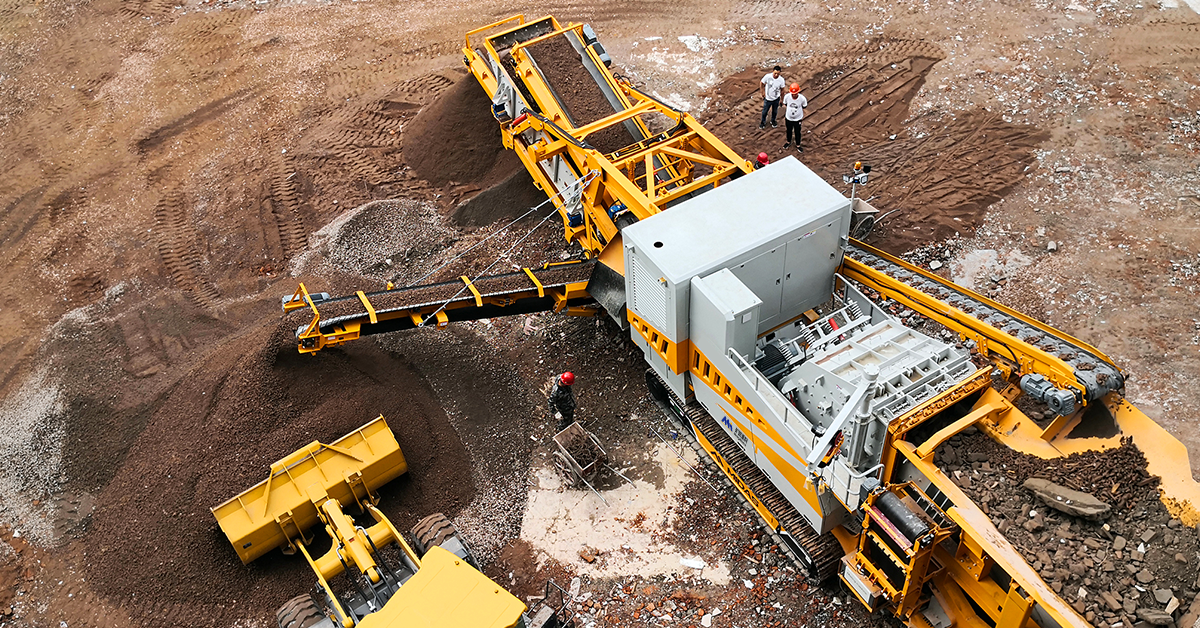
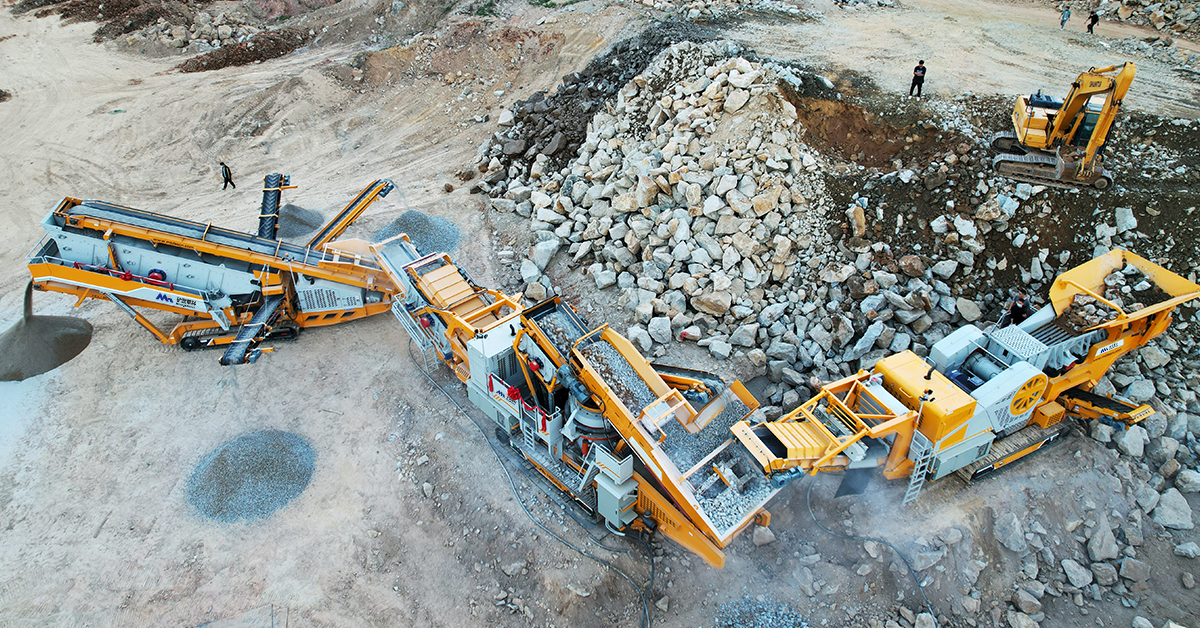
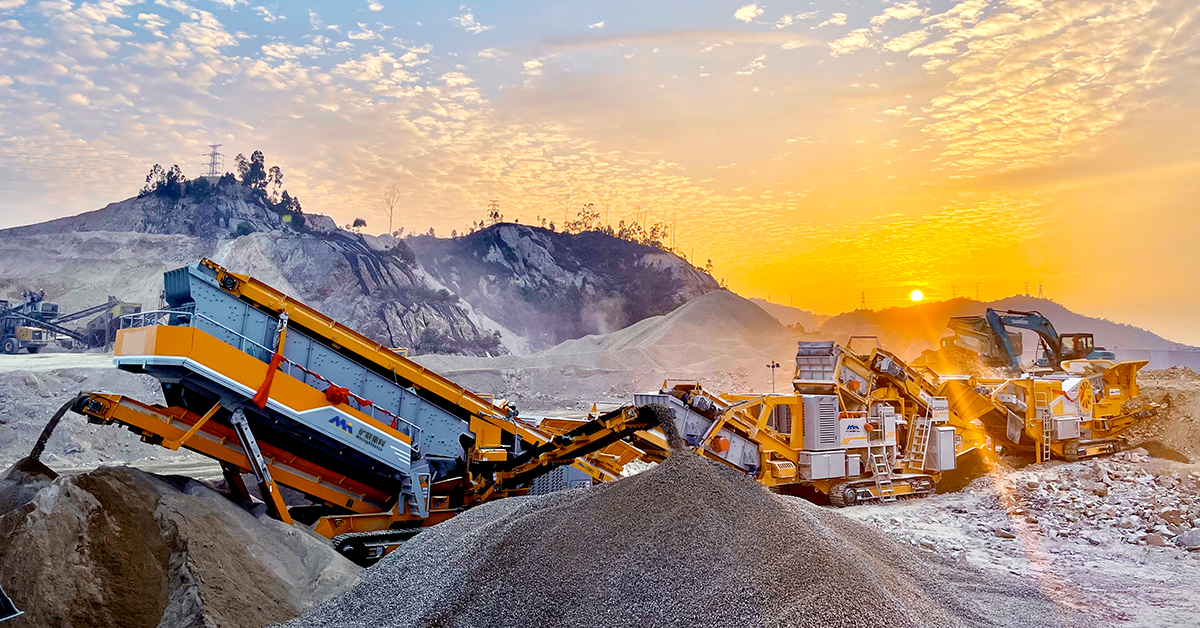
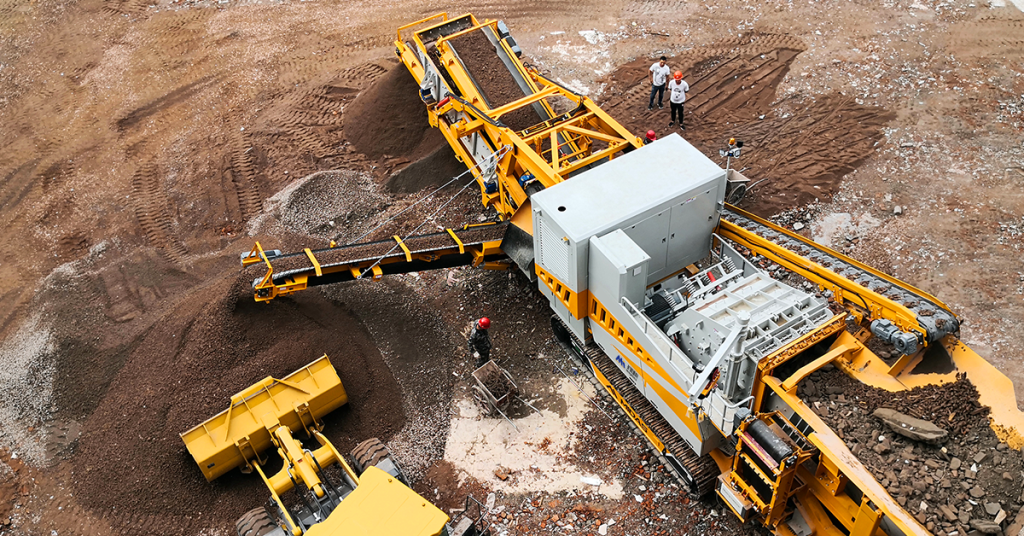
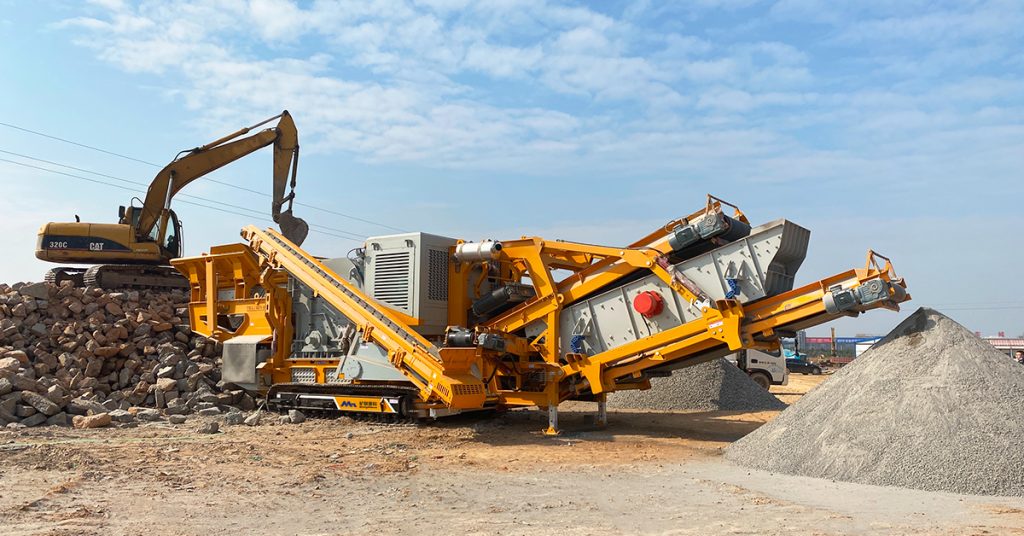
Tracked mobile crushers — often referred to as crawler crushers — represent one of the most dynamic advances in modern material processing. Unlike stationary plants bolted to concrete foundations, these self-propelled units bring the crushing operation directly to the material source. Mounted on hydraulic tracks similar to those of an excavator, they can climb rough terrain, reposition quickly on site, and even travel short distances without additional transport equipment.
Technical Overview
Tracked crushers typically come in three main configurations:
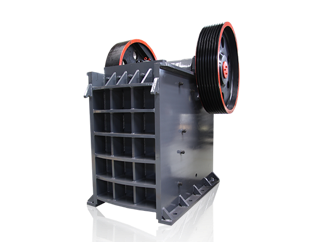
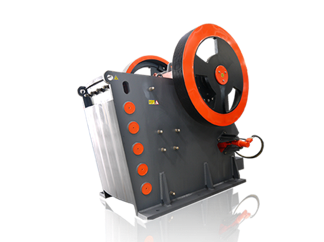
- Jaw crushers: Ideal for primary crushing of hard rock and recycled concrete. They use a fixed and movable jaw to compress material.
- Cone crushers: Designed for secondary, fine, or tertiary crushing, maintaining a consistent product size through eccentric motion.
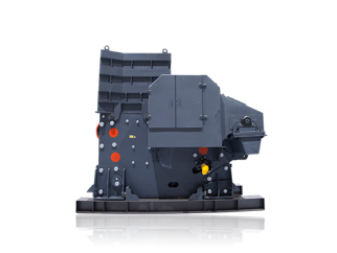
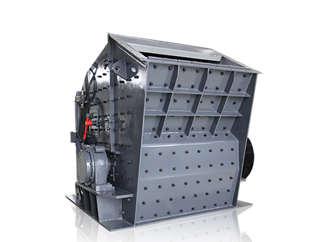
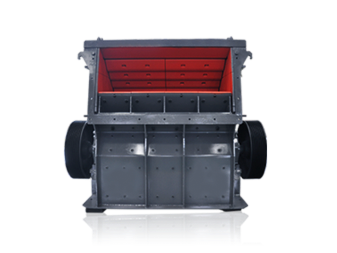
- Impact crushers: Suitable for soft to medium-hard materials such as limestone or asphalt, producing cubical aggregates using high-speed impact.
Key specs vary depending on machine size and intended application, but modern tracked units often deliver throughputs from 80 to over 600 tons per hour (TPH). They are powered by diesel-hydraulic or increasingly diesel-electric hybrid systems. The hybrid drive, featuring electric motors and onboard generators, improves fuel efficiency by 20–30% and reduces emissions.
Mobility remains the defining feature. Track-mounted crushers can operate independently at multiple sites, reducing downtime and eliminating the need for expensive heavy-haul permits or crane setups required by stationary plants.
Applications
Tracked mobile crushers are indispensable in sectors such as:
- Mining: On-site crushing of run-of-mine material, especially where haulage costs from pit to plant are high.
- Aggregates and construction: Production of road base, concrete aggregate, and asphalt material on demand near the job site.
- Demolition and recycling: Crushing reinforced concrete, bricks, and asphalt to reusable secondary materials.
- Tunneling and underground work: Compact crawler units can operate in confined environments, processing waste rock directly at the face.
This flexibility translates into faster setup, lower logistics costs, and increased responsiveness — a major advantage for contractors managing multiple short-duration projects.
Advantages over Stationary or Wheeled Units
Compared with stationary plants, tracked crushers:
- Require minimal civil foundations and setup time.
- Reduce material transport distances and fuel consumption.
- Allow dynamic relocation as mining or construction progresses.
Against wheeled (trailer-mounted) units, crawlers offer:
- Superior off-road mobility on uneven ground.
- Better stability under heavy load or when operating on slopes.
- Greater suitability for remote or muddy sites.
Essentially, tracked mobile crushers transform crushing into a portable, process-integrated activity rather than a fixed-location task.
Differences between Chinese and European tracked mobile crushers?
European brands (Metso, Sandvik, Kleemann):
- Strong brand recognition
- Mature standard models
- Higher price level
Chinese manufacturers (including MiningAlliance):
- More flexible configurations
- Easier customization for material and output
- etter cost-performance ratio for overseas projects
For many contractors, the choice depends more on project scale and budget than brand origin.
The Rise of Chinese Tracked Mobile Crusher Manufacturers
Many buyers viewed Chinese crushing equipment as cost-effective but basic imitations of Western designs. China’s machinery sector is now a global technology competitor driven by substantial R&D investment, automated production lines, and government-supported innovation policies emphasizing electrification and sustainability.
Evolution from Copiers to Innovators
Chinese firms today not only replicate but enhance global standards. They employ digital design systems, robotic welding, and intelligent control units integrated with telematics. Hybrid and even fully electric tracked crushers are now exported, fitting stricter emission rules in markets like Europe and Australia.
Key Players Leading the Globalization Wave
Among numerous Chinese manufacturers, several have risen through quality, export reliability, and adherence to international certifications.
SBM (Shibang Industry & Technology Group):
A flagship exporter with a complete range of track-type mobile jaw, cone, and VSI crushers, SBM’s models use diesel-electric drive systems and advanced control modules. The company’s global footprint spans Asia, Eastern Europe, the Middle East, and Africa, supported by field service centers.
MiningAlliance:
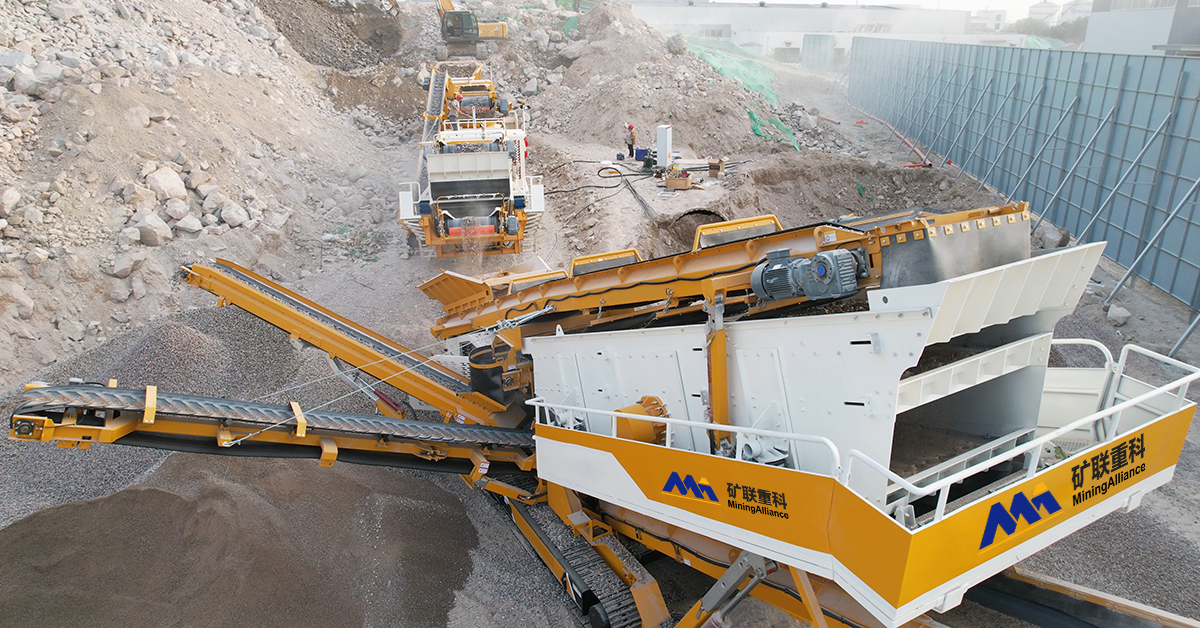
A rising exporter known for practical designs across tracked, wheeled, and mini mobile crushers, particularly in mid-capacity ranges (80–300 TPH). Their equipment emphasizes affordability, modularity, and customization — ideal for buyers seeking a reasonable investment-to-capacity ratio. The company increasingly partners with local dealers in Africa, Southeast Asia, and South America to ensure faster after-sales service.
MiningAlliance positions itself between large Chinese manufacturers and international brands.
Rather than competing on scale or brand history, it focuses on project-based mobile crushing solutions, especially for tracked mobile crushers, tire mobile crushers, and mini mobile crushers used in small to mid-scale projects.
Chinese brands like SBM and MiningAlliance increasingly compete with European names in efficiency and reliability while remaining significantly more cost-effective. Equipment financing options, multi-language telematics dashboards, and dual-power (diesel/electric) drives make them viable in diversified market conditions.
Core Reliability Assessment: Key Factors for Export Buyers
While price is important, international buyers evaluating Chinese tracked crushers should apply a systematic reliability assessment to ensure long-term value and compliance.
Build Quality and Durability
Durability starts with materials and assembly standards. The best machines use high-strength steels for chassis and crawler frames, precision welding (often robotized), and wear-resistant liners in the crushing chamber.
Certifications and Standards
Authentic certifications speak volumes about a manufacturer’s quality system and product safety:
ISO 9001: Confirms that quality management systems meet international benchmarks.
CE marking: Required for EU imports, validating compliance with electrical, safety, and noise directives.
Technology and Performance
Modern tracked crushers increasingly feature automation and telematics for operational optimization.
Such systems not only raise efficiency but also enhance safety and simplify training. Buyers targeting urban or environmentally sensitive projects should prioritize hybrid or fully electric variants to meet emerging sustainability mandates.
After-Sales Support and Spare Parts
After-sales support often determines the true cost of ownership. Downtime can quickly erase savings from a lower initial purchase price.