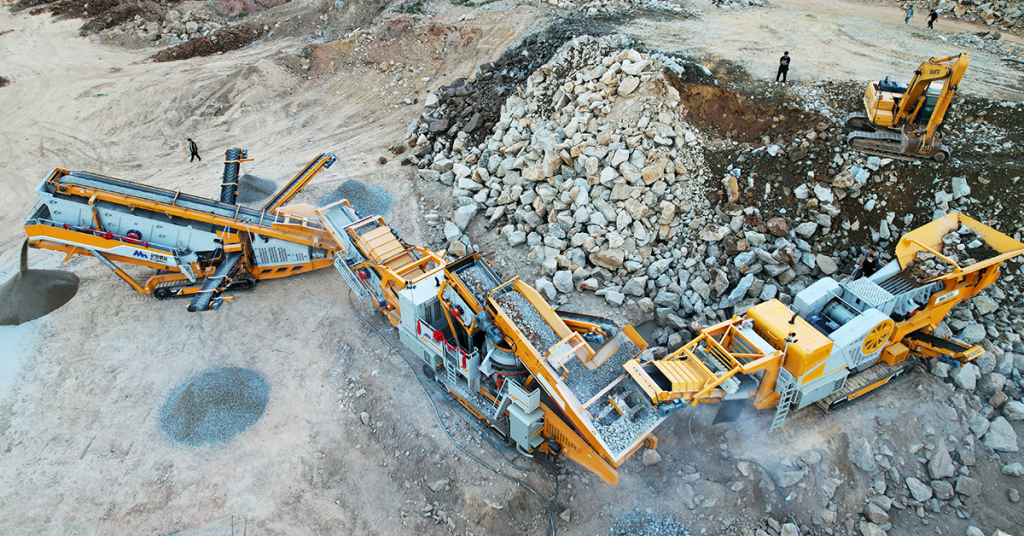
1. What Is a Concrete Crusher?
A concrete crusher is a machine used to break down large chunks of concrete into smaller, manageable pieces that can be reused as construction material. These machines apply force—through compression, impact, or shear—to reduce the size of concrete and similar materials.
Materials It Can Process
Concrete crushers are highly versatile and can handle a wide range of materials, including:
- Reinforced concrete (with steel rebar inside)
- Asphalt pavement
- Construction and demolition waste
- Bricks and masonry
- Natural stone (in some cases)
Modern crushers are often designed to deal with contaminants like steel reinforcement, either by tolerating it or by incorporating systems to separate it during or after crushing.
End Products
The output from a concrete crusher depends on the machine type and settings, but typically includes:
- Coarse gravel (20–40 mm): Used for drainage or structural fill
- Medium gravel (10–20 mm): Common in road construction and base layers
- Fine aggregate (0–10 mm): Suitable for concrete mixes and asphalt
- Base aggregate: A mix of sizes ideal for road sub-base and foundations
Recycled concrete aggregate (RCA) is increasingly popular due to its cost-effectiveness and environmental benefits.
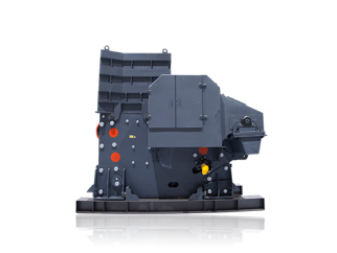
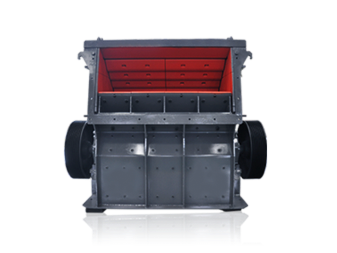
2. Types of Concrete Crushers: Jaw, Impact, and Beyond
Industry standards categorize crushers by crushing mechanism and stage (primary, secondary, or tertiary). The most common for concrete recycling are jaw and impact crushers, with mobile variants dominating on-site work. Cone and VSI models handle finer stages.
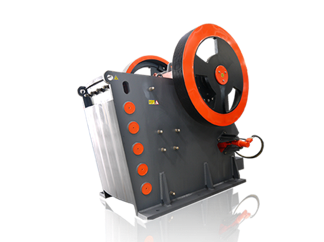
Jaw Crushers (Primary Crushers)
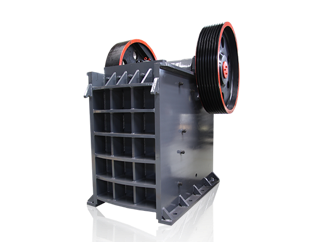
Jaw crushers use compressive force between a fixed and moving steel plate (the "jaws") to crush material. They excel at handling large chunks—up to several feet across—and reinforced concrete with rebar.
Pros: Extremely durable, low maintenance, simple design with fewer wear parts, and excellent at processing abrasive or oversized demolition waste. They produce a consistent primary output (typically 75-200 mm or 3-8 inches) and handle steel well before magnetic separation.
Best for the first stage of large-scale recycling or hard materials. Capacities range from 50-800 tons per hour.
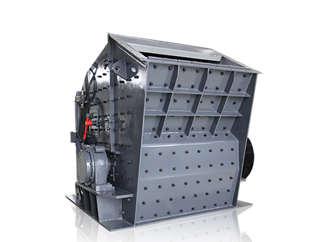
Impact Crushers (Secondary or Standalone)
Impact crushers use a high-speed rotor with blow bars to smash material against impact plates. They deliver aggressive reduction (up to 12:1 or more) and are widely recommended for concrete recycling.
Pros: Produce excellent cubical, well-shaped gravel perfect for concrete mixes and road base; adjustable output size; high throughput (100-500+ tons/hour); many models include built-in screening and magnets for all-in-one processing. They handle rebar and generate fines efficiently.
These are the go-to for high-quality end products and often work as standalone units in closed-circuit setups.
Mobile/Portable Variants (Tire or Tracked)
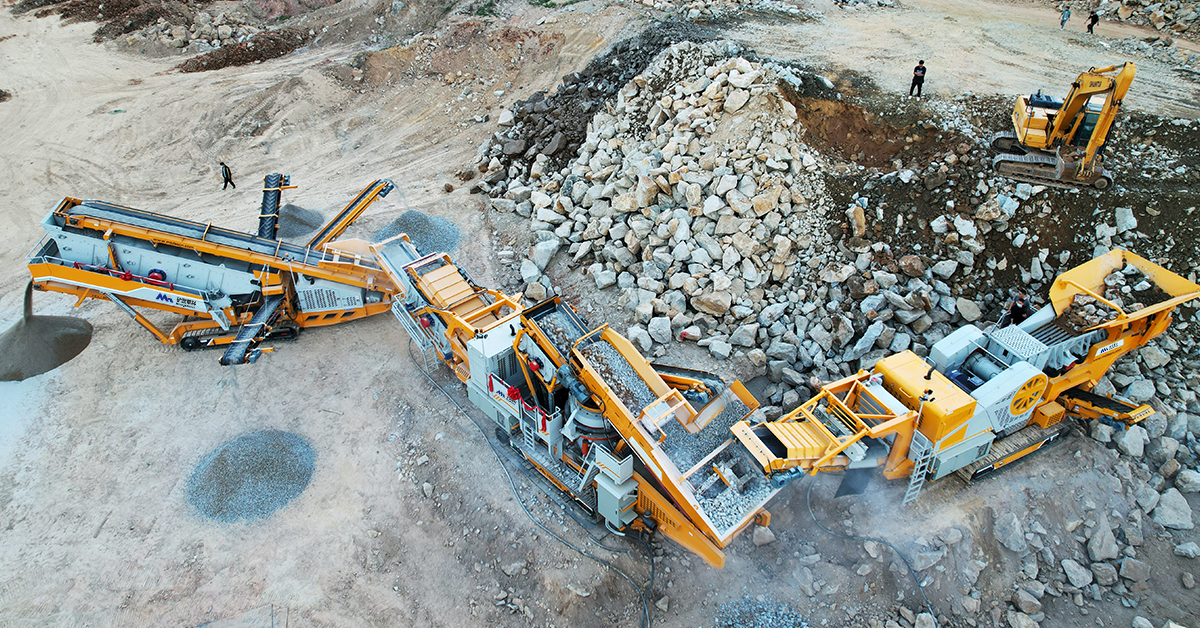
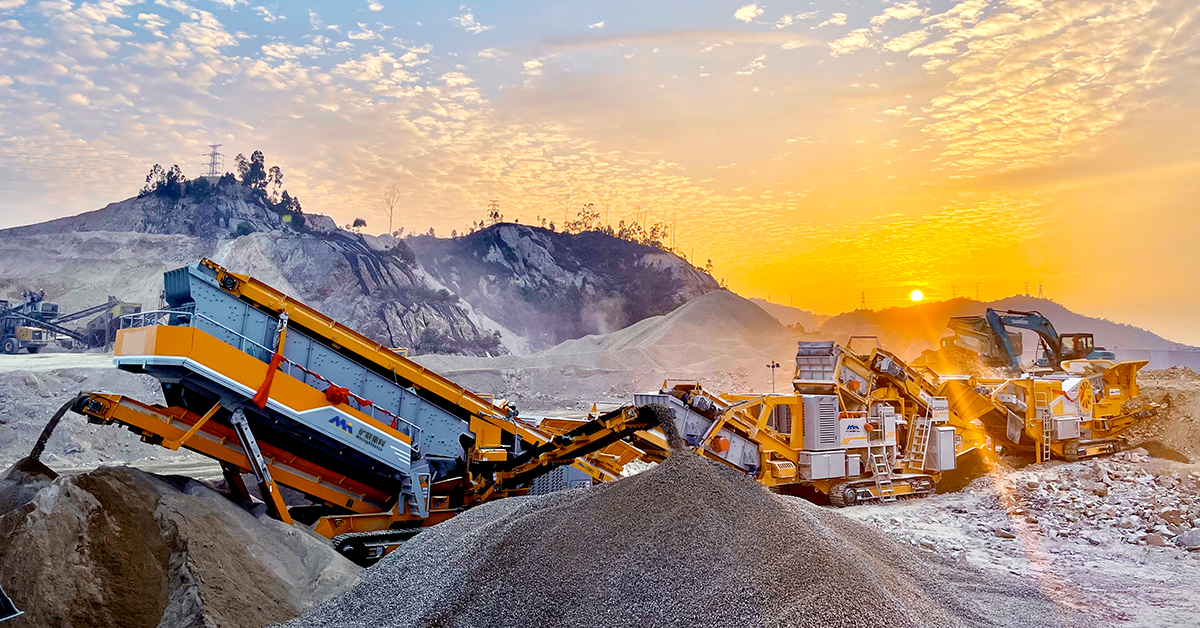
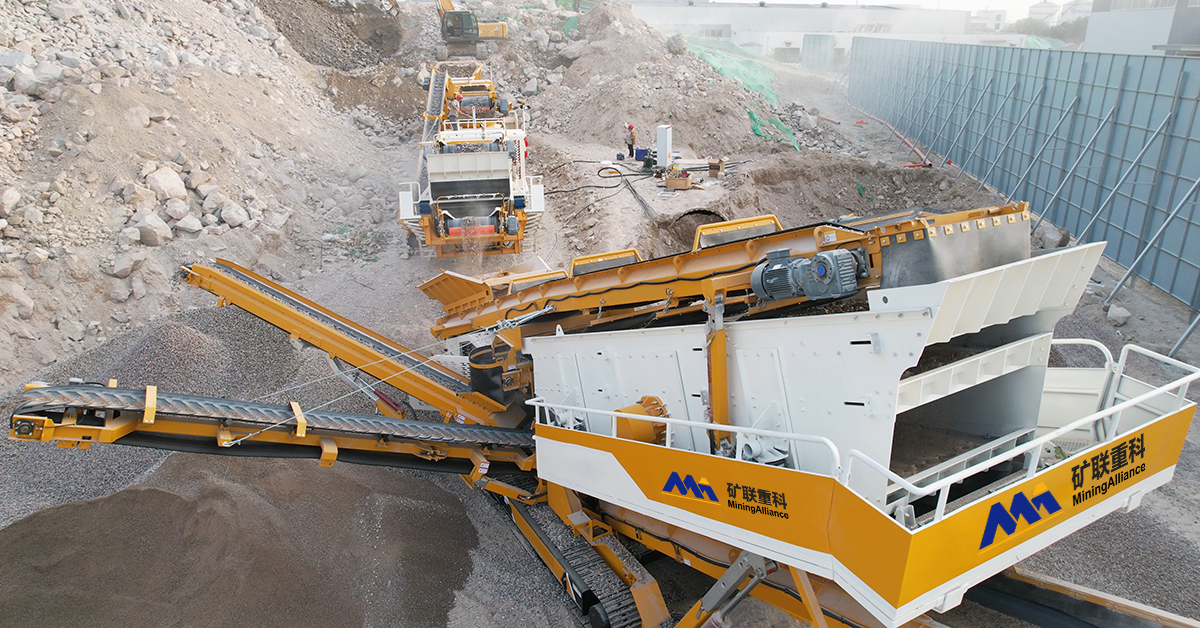
Both jaw and impact crushers come in mobile form—tracked for rough terrain or wheeled/tire-mounted for easier highway transport. Compact models set up in minutes and run with low fuel use. Tracked units shine in urban or remote sites; capacities vary from 10-300+ tons per hour.
Other Types (Brief Overview)
Cone Crushers:
Compression-style for secondary/tertiary stages after jaw or impact pre-crushing. They produce consistent, precise sizes (0.25-2 inches) with minimal dust—great for finer gravel in high-volume plants. Ideal when exact gradation matters but not for raw large reinforced concrete.
VSI (Vertical Shaft Impact) Sand Makers:
Use high-speed rotors to shape material and create fines (0-5 mm). Perfect as tertiary units for manufactured sand or improving particle shape in recycled aggregates. They excel in closed-circuit setups for premium concrete or asphalt products.
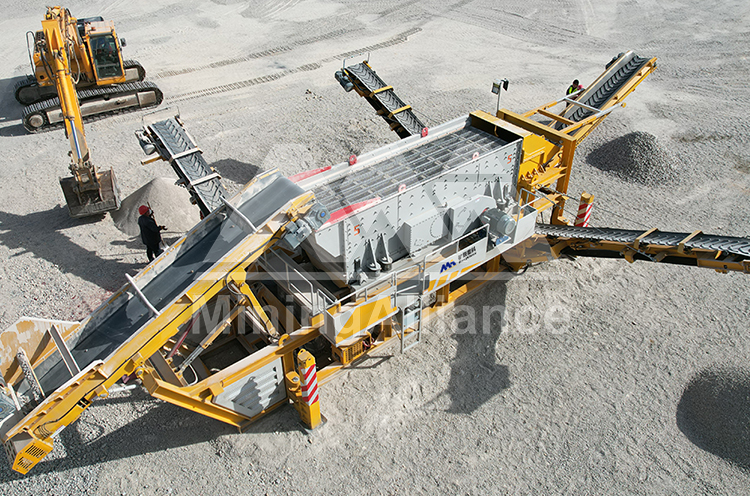
3. Best Concrete Crushers for Making Gravel
Best Overall: Impact Crusher
Impact crushers top the list for making high-quality gravel. Their impact action creates cubical particles with superior compaction, flow, and bonding in concrete mixes or road base—far better than the slabby output from compression-only machines. Adjustable settings and closed-circuit screening deliver consistent sizes (0-40 mm or finer) with minimal oversize. Mobile impactors often handle everything in one pass, including rebar separation.
Why it wins:
Excellent shape + versatility for both standalone and secondary use. Ideal for contractors prioritizing sellable, DOT-approved material or asphalt blends. Many models reach 300 tons/hour with built-in features for dust control and screening.
Best for Large Projects: Jaw + Cone Setup (or Jaw + Impact)
For high-volume operations (hundreds of tons daily), a multi-stage system starts with a primary jaw crusher for oversized reinforced concrete, followed by a secondary cone (or impact) crusher plus screening.
Why:
Jaw handles the brute force of large chunks and high throughput (up to 800+ tph combined); cone provides precise, consistent sizing with low fines and steady long-term production. This scalable setup maximizes output for road base, foundations, or ready-mix plants while keeping wear costs manageable. Add conveyors and magnets for fully automated lines. Perfect for fixed plants or big demolition contracts producing 2,000+ tons per day.
Best for Small Jobs: Mobile Compact Crusher
For small-scale or frequent-move projects (under 100 tons/day), choose a compact tracked mobile crusher—typically a small jaw or impact model (10-50 tph).
Why:
Extreme portability (fits on trailers, sets up fast), low operating costs, and on-site processing that eliminates trucking fees. Models like compact impactors produce multiple gravel grades on the spot with minimal noise and dust suppression.
How to choose Concrete Crusher manufacturers
- International brands: suitable for large, standardized, long-term operations
- Large Chinese manufacturers: suitable for buyers seeking broad product coverage
- Specialized suppliers (e.g. MiningAlliance): suitable for project-based, budget-sensitive, flexible mobile crushing projects
MiningAlliance positions itself between large Chinese manufacturers and international brands.
Rather than competing on scale or brand history, it focuses on project-based mobile crushing solutions, especially for tracked mobile crushers, tire mobile crushers, and mini mobile crushers used in small to mid-scale projects.
For 5–300 TPH projects, international brands are not always necessary.
Many buyers choose specialized Chinese suppliers like MiningAlliance, which focus on this capacity range and provide customized tracked, wheeled, or mini mobile crushing solutions with more reasonable investment levels.