Global Trends in Mobile Crusher Plant Development
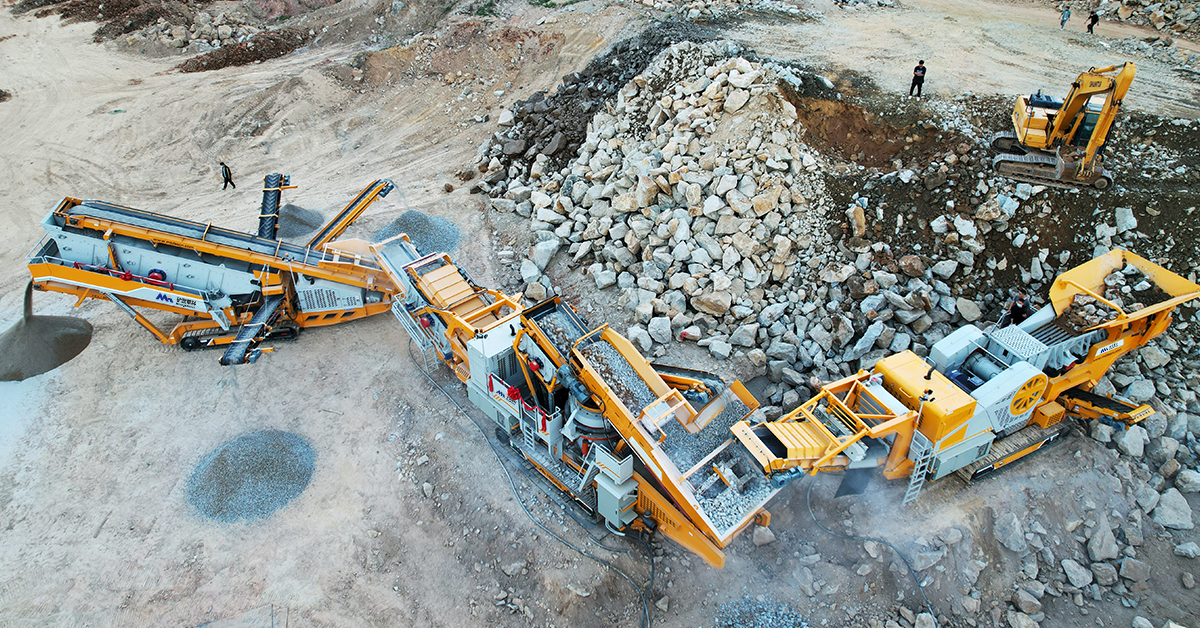
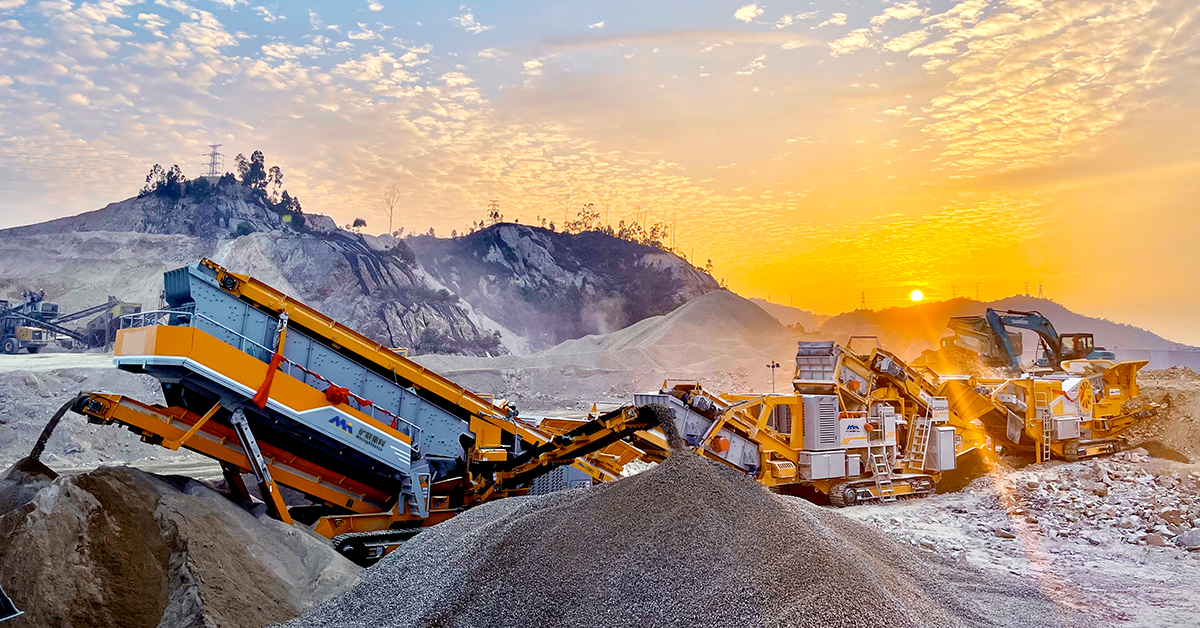
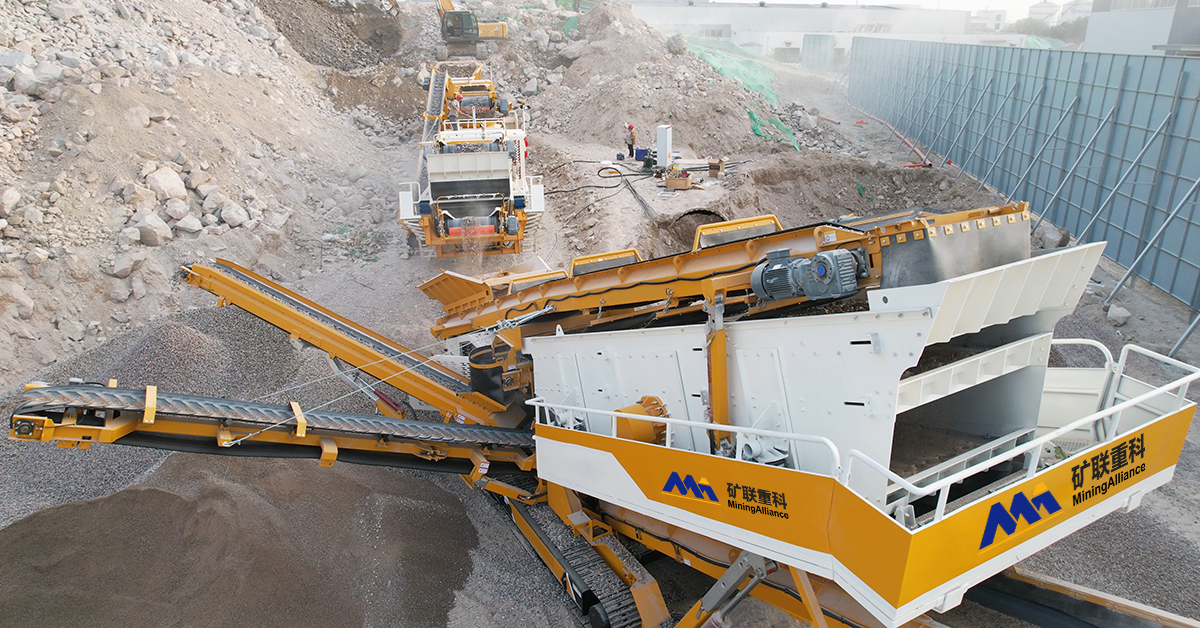
The mobile crusher plant industry has evolved rapidly over the past decade, driven by advancements in automation, environmental sustainability, and global infrastructure expansion. Nations across Asia, Europe, and North America are investing heavily in portable crushing technologies to meet the growing demand for construction materials while minimizing environmental impact. The shift from stationary to mobile systems reflects a broader industrial movement toward efficiency and flexibility. Mobile crusher plants now integrate smart sensors, hybrid power systems, and remote monitoring capabilities that allow operators to optimize performance in real time.
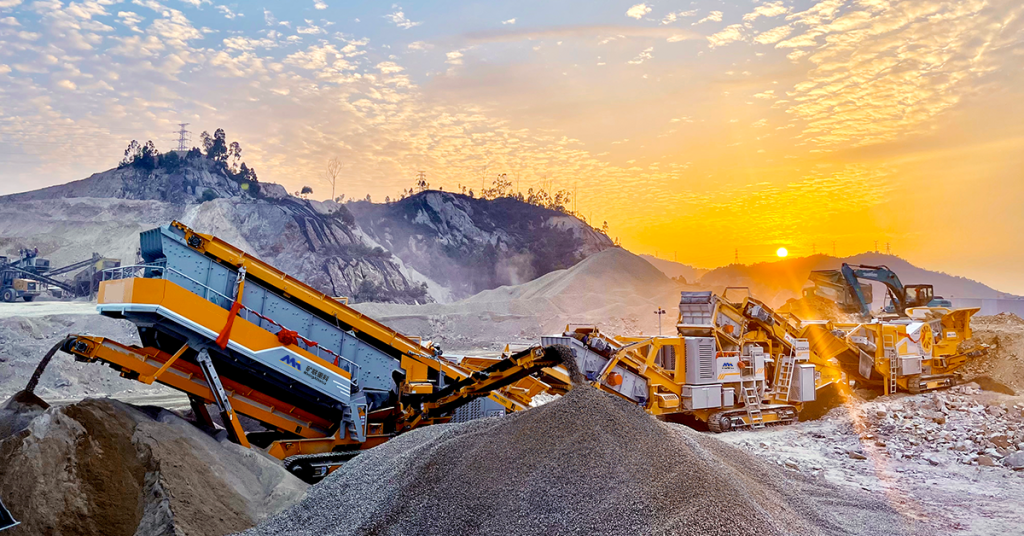
Technological Innovations Driving Efficiency
Modern mobile crusher plant designs emphasize energy efficiency and operational versatility. Manufacturers are integrating electric drives and hybrid diesel-electric systems to reduce fuel consumption and emissions. Automation technologies such as GPS-based tracking, telematics, and predictive maintenance software are becoming standard features. These systems enable real-time data collection on equipment performance, helping operators make informed decisions that extend machine lifespan and reduce downtime. Advanced crushing chambers and adjustable screening units also allow for precise material sizing, improving productivity across diverse applications such as mining, recycling, and road construction.
In addition to mechanical improvements, digitalization plays a crucial role in innovation. Many nations are adopting Industry 4.0 frameworks that connect mobile crusher plants to centralized control hubs through IoT platforms. This integration enhances coordination between production sites, logistics networks, and maintenance teams. The result is a more agile supply chain capable of responding quickly to fluctuating project demands or environmental conditions.
Regional Approaches to Innovation
Different regions have distinct priorities when developing mobile crusher plant technologies. In Europe, strict environmental regulations have accelerated the adoption of low-emission engines and noise-reduction systems. Manufacturers focus on compliance with EU Stage V standards while improving recyclability of components through modular design principles. European research initiatives also explore the use of renewable energy sources such as solar-assisted charging units for crushers operating in remote areas.
Asia-Pacific countries like China, Japan, and India emphasize scalability and cost-efficiency due to their massive infrastructure projects. Chinese manufacturers dominate global production volumes by offering robust yet affordable models equipped with advanced automation at competitive prices. Japan’s engineering sector prioritizes compact designs suitable for urban redevelopment projects where space constraints demand high mobility without compromising crushing capacity. India’s market growth is fueled by government-led programs promoting sustainable construction practices that rely heavily on recycled aggregates processed by mobile crusher plants.
In North America, innovation focuses on performance optimization for large-scale mining operations and highway construction projects. U.S.-based companies integrate AI-driven analytics to predict wear patterns on key components such as jaw plates or conveyor belts, reducing maintenance costs significantly over time. Canadian firms emphasize cold-weather adaptations that ensure reliable operation even under sub-zero conditions commonly found in northern territories.
Environmental Sustainability Initiatives
Sustainability remains a central theme shaping mobile crusher plant innovations globally. Manufacturers are increasingly designing equipment that minimizes dust generation through improved sealing mechanisms and water-spray suppression systems. Energy recovery technologies capture waste heat from engines or hydraulic circuits to power auxiliary functions like lighting or cooling fans, enhancing overall energy efficiency. Furthermore, the use of biodegradable hydraulic fluids reduces ecological risks during field operations near sensitive ecosystems such as riverbanks or forested zones.
Recycling-oriented models enable efficient processing of demolition waste into reusable aggregates—an essential component of circular economy strategies adopted by many nations today. These plants not only decrease landfill dependency but also lower carbon footprints associated with new material extraction and transportation logistics. Governments encourage such developments through tax incentives or green certification programs recognizing eco-friendly industrial machinery contributions toward national sustainability goals.
Future Outlook for Global Collaboration
The next phase of mobile crusher plant innovation will likely involve deeper international collaboration among manufacturers, research institutions, and regulatory bodies. Shared technology platforms could accelerate standardization efforts across markets while promoting safety compliance globally. Emerging technologies like hydrogen fuel cells or fully electric propulsion systems may redefine mobility standards within heavy equipment sectors over the coming decade.
As urbanization continues worldwide, demand for flexible on-site material processing solutions will only intensify further—positioning the mobile crusher plant as a cornerstone technology supporting sustainable infrastructure development across continents.