Global Evolution of Mobile Crusher Plant Technology
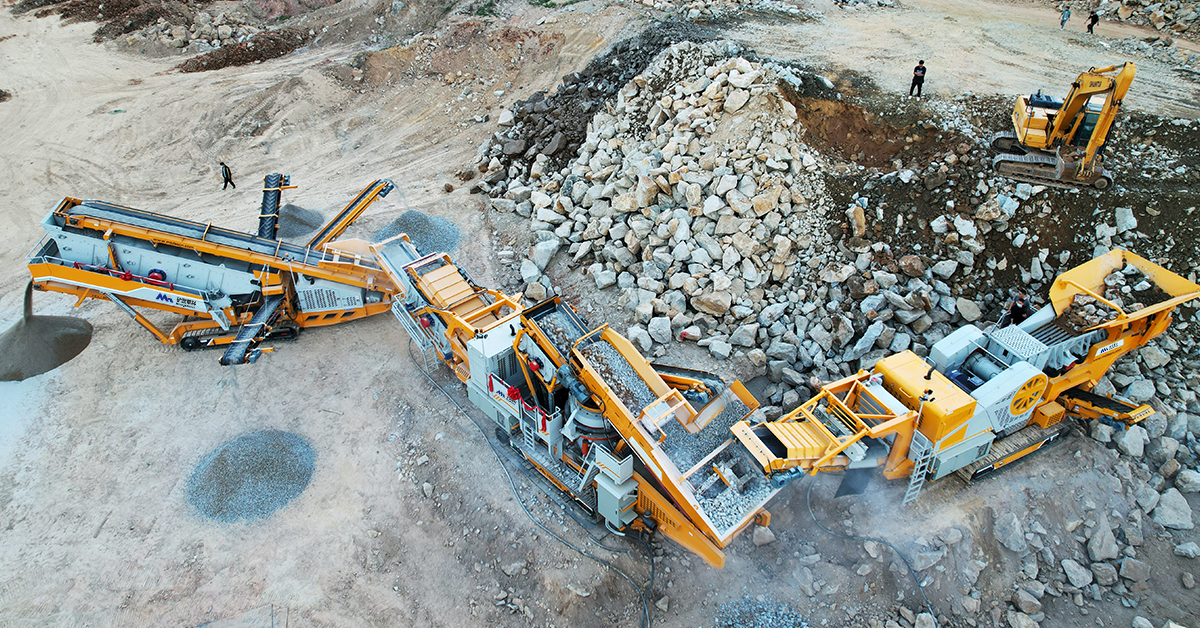
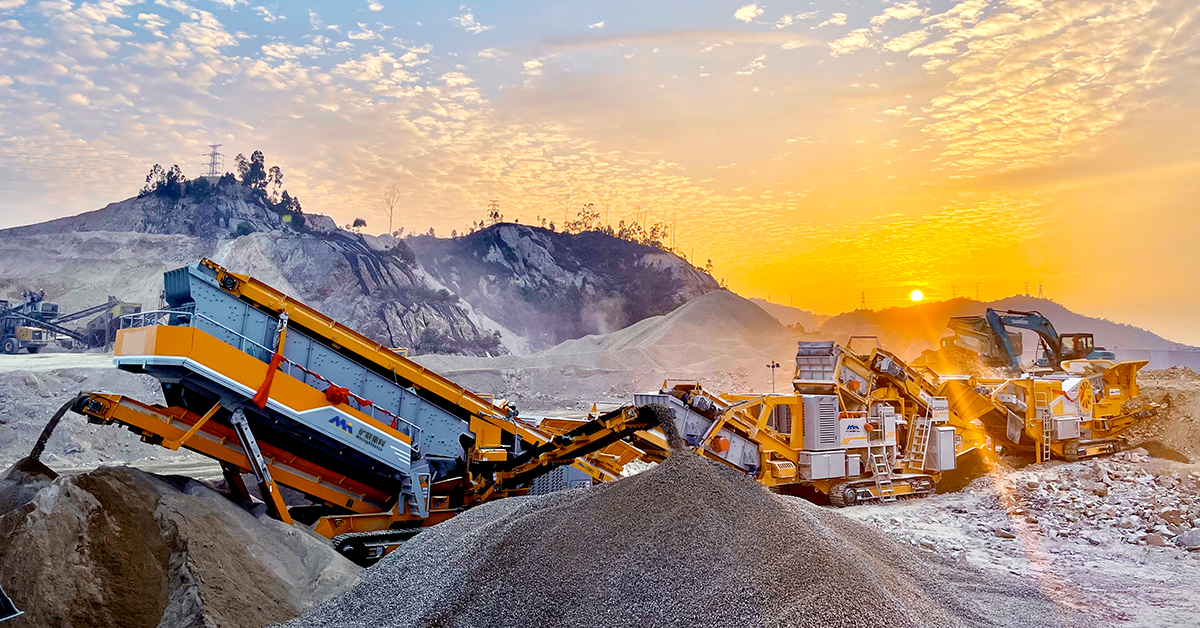
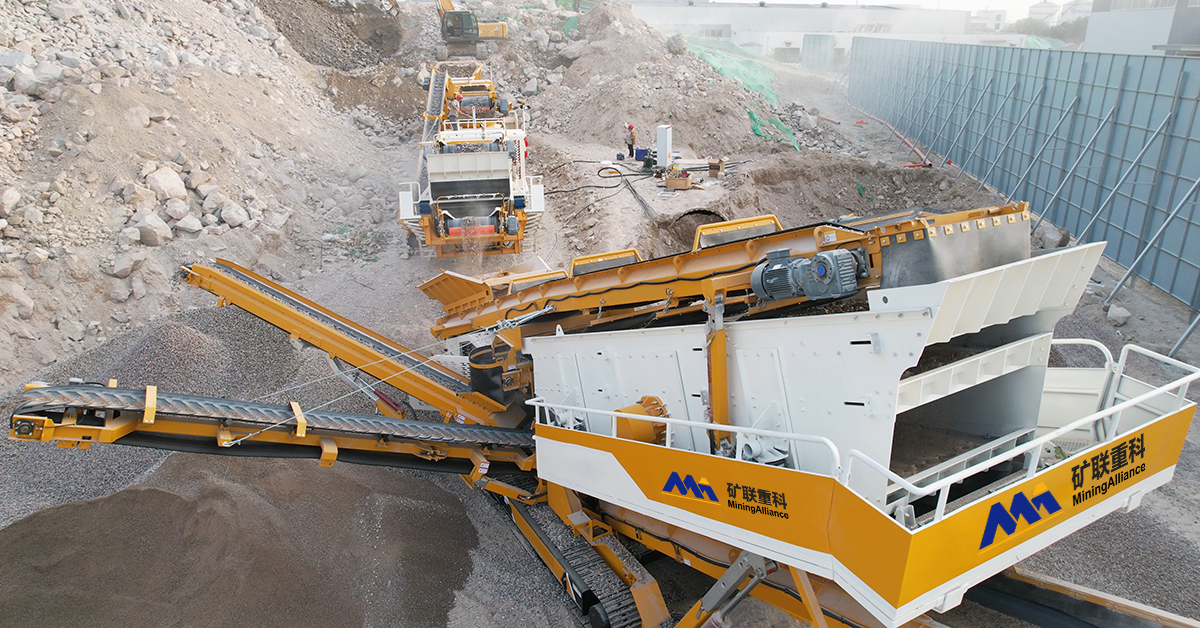
The rapid development of the mobile crusher plant industry has transformed the way materials are processed in mining, construction, and recycling sectors. Initially designed to reduce transportation costs and improve operational flexibility, these plants have evolved into highly efficient systems integrating automation, telematics, and hybrid power solutions. Countries across Europe and Asia have been at the forefront of adopting mobile crushers due to their ability to process materials directly on-site. This shift reflects a broader trend toward decentralized production models and sustainability-driven operations that minimize carbon emissions and energy use.
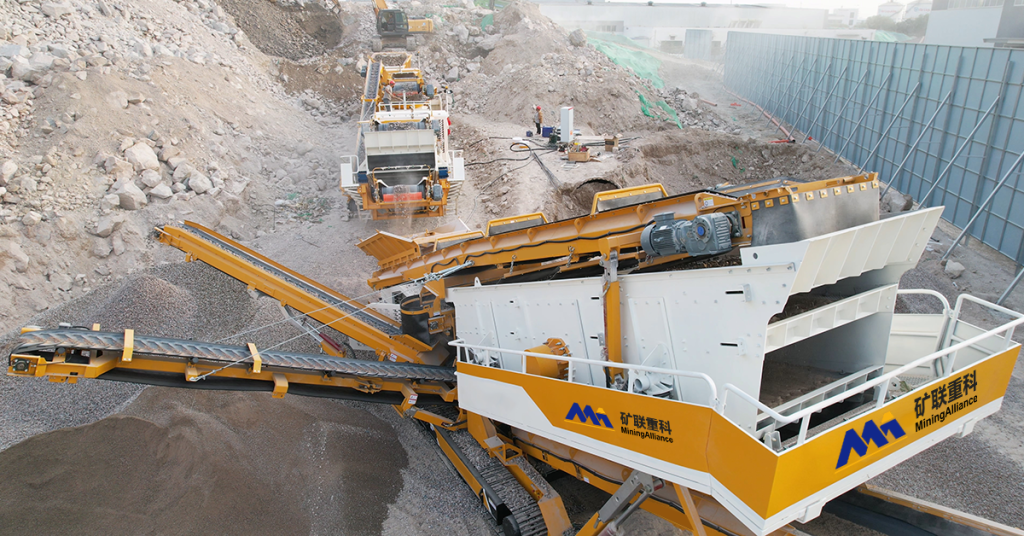
Implementations in Europe
European nations have been pioneers in implementing mobile crusher plant technology for urban construction waste management. In Germany, contractors use mobile crushers to process demolition debris into reusable aggregates directly at the site, significantly reducing landfill waste and transport emissions. Scandinavian countries have adopted similar strategies but with an added focus on hybrid-powered crushers that align with their renewable energy goals. These implementations demonstrate how environmental regulations can drive technological innovation in heavy machinery.
In the United Kingdom, infrastructure projects such as road expansions and rail upgrades rely heavily on mobile crushing units due to their compact design and quick setup times. The integration of advanced dust suppression systems ensures compliance with stringent air quality standards while maintaining high throughput rates. Such examples highlight Europe’s commitment to combining operational efficiency with environmental stewardship through advanced mobile crusher plant solutions.
Implementations in Asia-Pacific
The Asia-Pacific region has witnessed exponential growth in mobile crusher plant adoption due to rapid urbanization and large-scale infrastructure projects. China has become a leading market where manufacturers produce high-capacity mobile units capable of handling varied material types from limestone to concrete rubble. These systems often feature intelligent control interfaces that optimize crushing parameters automatically, reducing downtime and improving fuel efficiency.
In India, the deployment of mobile crushers has revolutionized quarrying operations by enabling on-site processing even in remote locations with limited access to stationary plants. The ability to relocate equipment easily between sites enhances productivity while minimizing logistical challenges. Similarly, countries like Japan and South Korea emphasize compact design and noise reduction technologies suitable for densely populated areas where space constraints are significant considerations in project planning.
Implementations in North America
North America’s adoption of mobile crusher plants is driven by demand for sustainable construction practices and cost-efficient aggregate production. In the United States, contractors increasingly favor tracked crushers equipped with real-time performance monitoring systems that provide predictive maintenance alerts via cloud-based platforms. This digitalization not only extends equipment lifespan but also reduces unplanned downtime—a critical factor for large-scale infrastructure projects such as highways and pipelines.
Canada’s mining sector leverages mobile crushers for remote operations where transporting raw material over long distances is impractical. By processing ore directly at extraction sites, operators achieve substantial savings in fuel consumption while lowering environmental impact. Additionally, the integration of electric drives aligns with Canada’s broader decarbonization initiatives aimed at reducing greenhouse gas emissions across industrial sectors.
Technological Lessons Learned
Across global implementations, several key lessons emerge regarding effective utilization of mobile crusher plant systems:
- Adaptability is crucial — Equipment must be tailored to local conditions including terrain type, climate, and regulatory requirements.
- Automation enhances reliability — Intelligent control systems minimize human error and ensure consistent output quality across varying material compositions.
- Sustainability drives innovation — Hybrid engines, energy recovery mechanisms, and recyclable components are becoming standard features as industries pursue greener operations.
- Data analytics improves performance — Remote monitoring enables predictive maintenance schedules that prevent costly