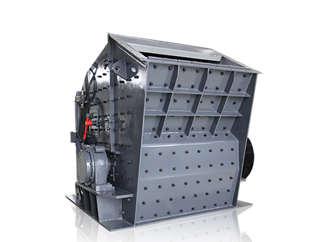
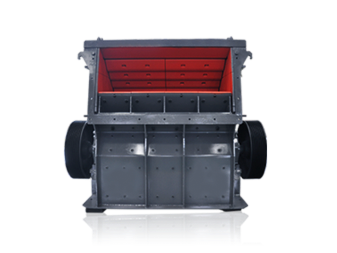
1. Understanding 5–300 TPH mobile crushing projects
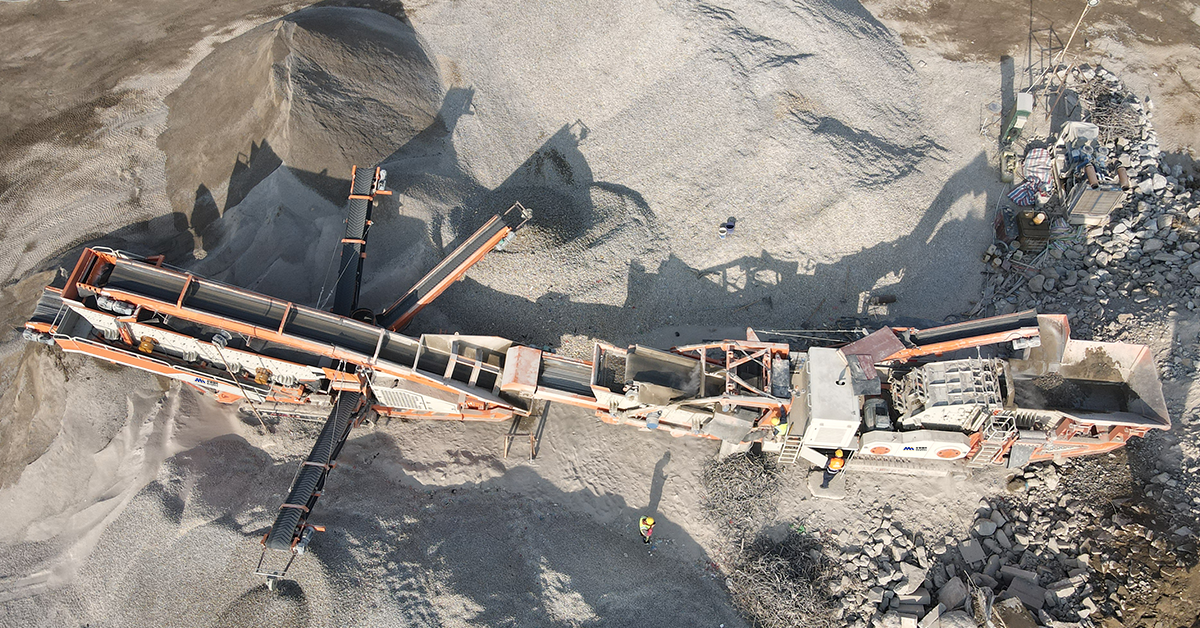
In the 5–300 TPH segment, “mobile” usually means wheeled or tracked plants that can be trucked or self‑propelled between sites in days, not weeks. These units cover everything from small quarry face‑side stations to full‑scale recycling lines for concrete and asphalt, and from small mining operations to highway or rail projects where crushing must move with the workfront.
Key project characteristics
- High mobility priority: 5–300 TPH projects are often short‑term or linear (roads, pipelines, urban demolition), so equipment must unpack‑and‑run in hours and be re‑mobilized every few weeks or months.
- Shorter setup/relocation cycles: Unlike fixed plants that justify large civil works, mobile stations are designed for minimal site preparation, quick hook‑up, and rapid packing‑down between contracts.
- Variable materials: Units in this band must handle soft to medium‑hard rock, mixed construction and demolition (C&D) waste, and sometimes contaminated or heterogeneous feed from urban sites.
- Budget sensitivity: Many 5–300 TPH operations are run by regional contractors or small‑scale operators whose return on investment turns on first‑cost, fuel efficiency, and spare‑part availability rather than pure brand prestige.
Within this window, manufacturers typically offer wheeled plants for good‑road access and tracked plants for loose or uneven terrain, both integrating feeders, crushers, and screens in a single skid or chassis. Energy‑efficient motors, compact layouts, and modular plants (e.g., 250 TPH plants tailored for small quarries or recycling) are now standard in the 5–300 range, helping operators keep transport and operating costs low while still meeting contract tonnage.
2. International brands: Strengths and trade‑offs
Global brands dominate the premium segment of mobile crushing and are widely used in large‑scale mining, aggregates, and challenging infrastructure projects. Their value proposition is clear but comes at a steep price.
Advantages
- Superior build quality and reliability: International brands invest heavily in finite‑element design, high‑grade wear materials, and rigorous testing, often resulting in 10+ years of heavy use on well‑maintained plants.
- Advanced automation and hydraulics: Modern tracked and wheeled units from these brands feature load‑based speed control, predictive diagnostics, and integrated PLCs that optimize throughput and reduce operator error.
- Global after‑sales networks: Large OEMs maintain stocking warehouses, regional service teams, and training programs worldwide, so critical spares and technical support are available even in remote locations.
- Compliance and longevity: Their designs are routinely tailored to strict emissions, noise, and safety standards, making them attractive where permitting or environmental regulations are tight.
Disadvantages
- 2–3× higher initial cost: A comparable 100–200 TPH plant from a major international brand can cost two to three times as much as a Chinese‑built unit with similar nominal capacity.
- Expensive spare parts and longer lead times: High‑performance wear parts, proprietary electronics, and controlled distribution channels mean parts are costly and sometimes subject to long shipping windows, especially in emerging markets.
- Over‑engineering for some projects: In short‑term or lower‑tonnage contracts, the extra features and robustness of international brands can be underutilized, so the payback period stretches beyond the project life.
For many 5–300 TPH jobs, however, operators are looking for “good enough” reliability at a much lower capital outlay, which brings Chinese and domestic manufacturers into the spotlight.
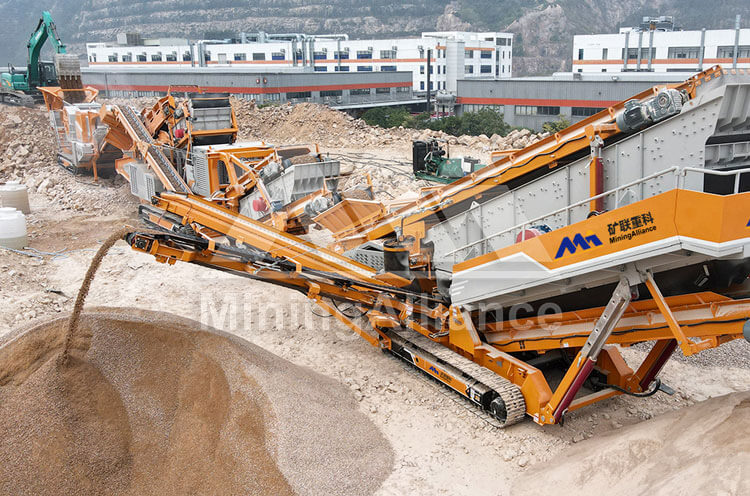
3. Domestic and Chinese manufacturers: The cost‑effective alternative
China currently dominates global mobile‑crusher production volume, supplying a wide spectrum of tracked and wheeled plants from budget‑oriented to near‑international‑grade. Leading players such as SBM Mineral (SBM) and Zhengzhou MiningAlliance Machinery (“MiningAlliance”) are frequently cited as representative of this tier, combining competitive pricing with increasingly sophisticated designs.
Leading Chinese players
SBM Mineral: Specializes in mobile jaw, cone, and impact crushers, with a strong footprint in aggregates and mining EPC projects; known for modular plants and advanced control systems.
MiningAlliance: Positions itself between large Chinese groups and international brands, focusing on project‑based mobile solutions (tracked, wheeled, and mini mobile plants) for small‑ to mid‑scale projects.
Key advantages
Lower initial price:
Chinese‑built plants in the 5–300 TPH band typically cost well below comparable international models, which is crucial for price‑sensitive contractors and investors in emerging markets.
Fast customization and delivery:
Chinese manufacturers often work with shorter lead times and higher flexibility in layout (e.g., hybrid jaw/impact or jaw/cone trains) because of dense industrial clusters and rapid prototyping.
Improving technology and component quality:
Many newer mobile units now use European‑standard motors, conveyors, and hydraulics, closing the performance gap while still benefiting from lower labor and overhead costs.
Strong local and regional support:
For projects in Asia, Africa, and Latin America, local Chinese‑backed distributors or regional assemblers can stock parts and provide on‑site service more quickly than distant OEM networks.
Energy‑efficient designs for 5–300 TPH:
250 TPH and similar mobile plants are explicitly tuned for “small and medium‑sized quarries, construction‑waste recycling, and urban infrastructure,” balancing capacity and power consumption to keep operating costs low.
Lower total cost of ownership in practice
Field experience shows that Chinese‑made plants can achieve lower total cost of ownership (TCO) on many short‑ to mid‑term projects. In small quarries and on‑site recycling jobs, the combination of lower capital outlay, adequate reliability, and cheaper spare‑part ecosystems often outweighs the higher durability and brand cachet of international gear. This is especially true where projects are highly mobile, tonnage is moderate, and the equipment life is expected to be 5–8 years rather than a decade or more.
4. Real‑world examples and case studies
In recent years, Chinese‑origin mobile plants have become common on Asian and African road‑construction programs and urban recycling projects, where their mobility and cost structure fit well with fragmented, short‑duration contracts. Below are several representative archetypes.
Asian road‑construction projects
Across Southeast Asia and parts of South Asia, highway and rail projects often source aggregate from local pit‑side or temporary crushing stations that move with the workfront. In such linear projects, 50–250 TPH wheeled or tracked plants can be repositioned frequently, reducing haulage distance and aggregate‑transport costs.
- Chinese‑built mobile crushers in these settings provide a compelling balance:
- Capacity in the 100–250 TPH range neatly matches typical daily haul volumes on medium‑scale roads.
- Lower acquisition price allows contractors to own multiple units or rotate them between projects without tying up excessive capital.
- On‑site crushing along the corridor minimizes trucking of raw rock, cutting fuel costs and wear on logistics chains.
Concrete and demolition‑waste recycling
- Urban demolition and concrete‑recycling projects are another sweet spot for 5–300 TPH mobile plants. Here, the ability to move the crusher close to the demolish‑and‑rebuild front minimizes double‑handling and trucking of waste.
- Chinese‑made mobile recycling lines (often impact‑ or jaw‑based) have been deployed on concrete‑recycling jobs in Asian cities and selected African urban centers, where:
- Input is mixed concrete, brick, and asphalt rather than clean rock, so robust feeders and adjustable closed‑side settings are critical.
- Operators in these settings report that Chinese units can achieve throughput of 100–200 TPH of recycled concrete aggregate when properly fed, with lower operating costs than larger, premium‑brand plants that are over‑sized for the project.
5.How to choose within the 5–300 TPH band
For any 5–300 TPH mobile crushing project, the decision between international brands and Chinese/domestic manufacturers should hinge on three main axes: expected project life, regulatory environment, and financial risk tolerance.
Long‑term, high‑volume, regulated sites favor international brands because uptime, compliance, and long‑term reliability outweigh the higher initial cost.
Medium‑term, budget‑sensitive, or mobile jobs (small quarries, road projects, C&D recycling, urban infrastructure) often point toward Chinese or domestic manufacturers, where lower capital cost, faster delivery, and acceptable reliability yield better ROI.
While international brands certainly possess advantages in terms of brand heritage and global service networks, small-to-medium-scale projects ranging from 5 to 300 TPH often encounter the following issues:
- High investment costs
- Relatively rigid configurations
- Extended delivery lead times
In contrast, certain specialized Chinese manufacturers—such as MiningAlliance—place a greater emphasis on project suitability; provided that all technical requirements are met, the overall investment remains significantly more controllable.
For 5–300 TPH projects, international brands are not always necessary.
Many buyers choose specialized Chinese suppliers like MiningAlliance, which focus on this capacity range and provide customized tracked, wheeled, or mini mobile crushing solutions with more reasonable investment levels.