1. Understanding Mobile Crushers
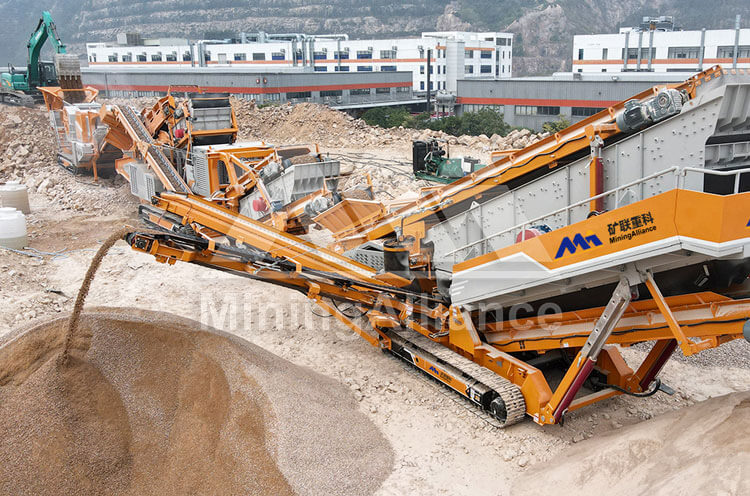
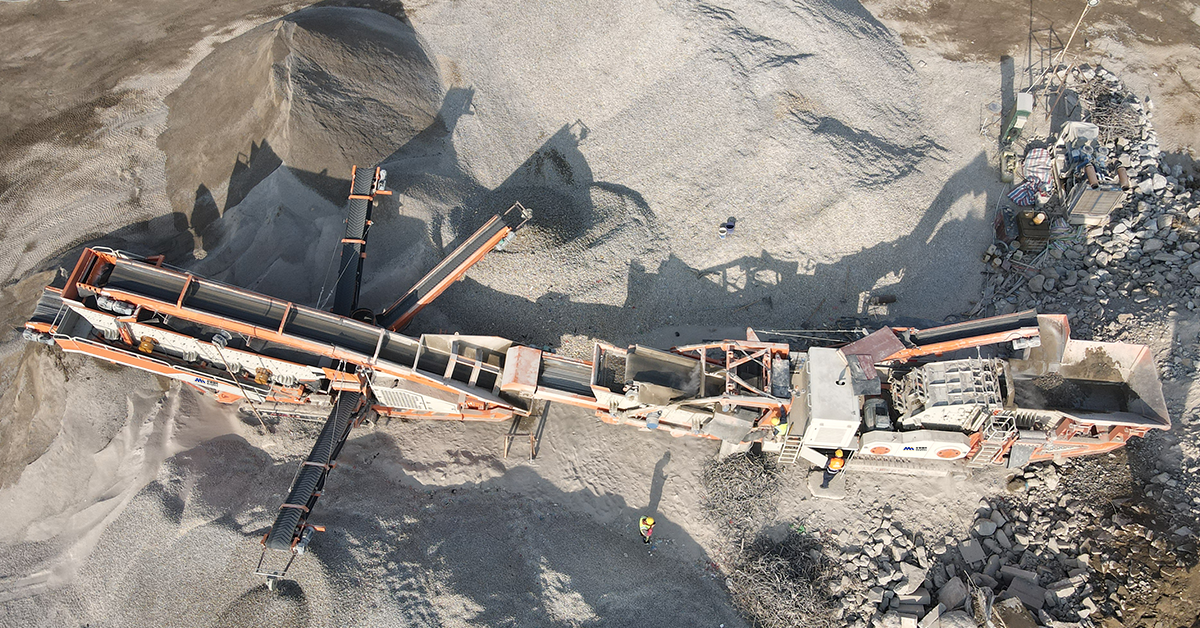
Mobile crushers are versatile machines designed to crush and process rocks, construction debris, minerals, and other materials directly at a job site. Unlike stationary crushers, which are fixed at a location and require material to be transported to them, mobile crushers can move across sites, making them highly adaptable to changing conditions. This mobility significantly reduces handling costs, site preparation, and transportation, allowing for more efficient operations in mining, quarrying, and construction projects.
Mobile crushers are widely used in industries such as:
- Mining: Breaking down ores and minerals for easier handling or processing.
- Construction & Demolition: Recycling concrete, asphalt, and other construction debris.
- Quarries: Processing raw stone into various aggregate sizes for infrastructure projects.
- Roadwork: Producing gravel or crushed stone for paving and sub-base layers.
Types of Mobile Crushers
Mobile crushers come in several types, each designed to serve specific purposes:
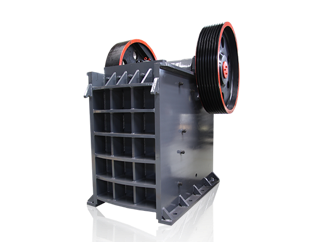
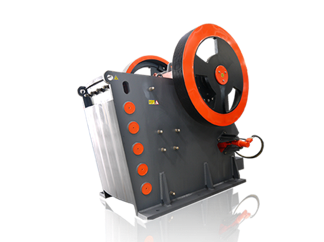
- Jaw Crushers: These are primary crushers ideal for hard and abrasive rocks. Industries relying on heavy-duty primary crushing, like quarrying and mining, often prefer jaw crushers for their durability and high throughput.
- Cone Crushers: Typically used for secondary or tertiary crushing, cone crushers crush material. They are suitable for medium to hard rocks and produce a more uniform particle shape, making them ideal for aggregates used in concrete and asphalt.
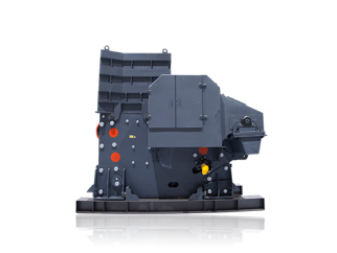
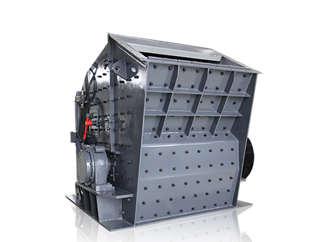
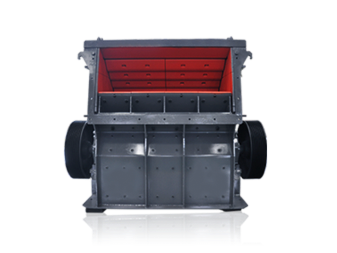
- Impact Crushers: These crushers use impact force to break materials and are excellent for softer rocks, recycled concrete, or materials requiring less wear on the equipment. They are often used in recycling and light aggregate production.
- Mobile Screening Units & Combinations: Some mobile plants integrate crushers with screening units, allowing simultaneous crushing and sorting, optimizing material flow and reducing the need for separate machines.
For instance, while a jaw crusher is suitable for primary crushing of large rocks, an impact crusher may be a better choice for recycling concrete due to its ability to handle weaker materials without excessive wear.
2. Advantages of International Mobile Crusher Brands
Internationally recognized mobile crusher brands often bring cutting-edge technology and high-performance designs to the table. Key advantages include:
Advanced Technology and Automation
Global brands invest heavily in research and development. Features such as automated feed control, intelligent monitoring, and advanced hydraulic systems allow operators to maximize efficiency and reduce operational costs. Automation also improves safety by minimizing the need for manual intervention in high-risk areas.
Durable Materials and Longer Lifespan
International manufacturers typically use premium steel alloys, high-strength components, and advanced wear-resistant parts. This ensures that machines can withstand abrasive materials and harsh working conditions, resulting in a longer service life and lower long-term maintenance costs.
Global Service Networks and Spare Parts Availability
Large international brands maintain widespread service networks, ensuring that technical support, replacement parts, and maintenance services are readily accessible worldwide. This reduces downtime and keeps projects on schedule, which is especially valuable for multinational construction or mining operations.
3. Advantages of Domestic or Local Brands
While international brands offer advanced technology and global support, domestic or local manufacturers provide unique advantages that are particularly beneficial in regional markets.
Lower Purchase Cost and Competitive Pricing
Local brands often have lower manufacturing and shipping costs, which translates into a more affordable purchase price. For smaller projects or startups with budget constraints, domestic crushers may be more attractive without compromising basic functionality.
Easier Access to Local Technical Support
Domestic companies usually have technicians and service centers nearby, allowing for faster troubleshooting, repairs, and maintenance. This proximity reduces downtime significantly compared to relying on overseas support.
Customization to Local Conditions and Materials
Local manufacturers are well-versed in the types of rocks, ores, and construction materials prevalent in their markets. They can offer crushers optimized for these materials, ensuring better performance, energy efficiency, and reduced wear.
Rapid Response Times for Repairs or Parts
Because parts are produced locally or stocked nearby, repairs and replacements can be carried out more quickly. This responsiveness is critical in time-sensitive projects, such as road construction or quarry operations with tight deadlines.
4. Chinese Manufacturers: The Value-Driven Contenders
In recent years, Chinese manufacturers have become formidable competitors in the mobile crusher market. They combine affordability with innovative design and increasing global support. Top players include SBM and MiningAlliance.
Leading Examples
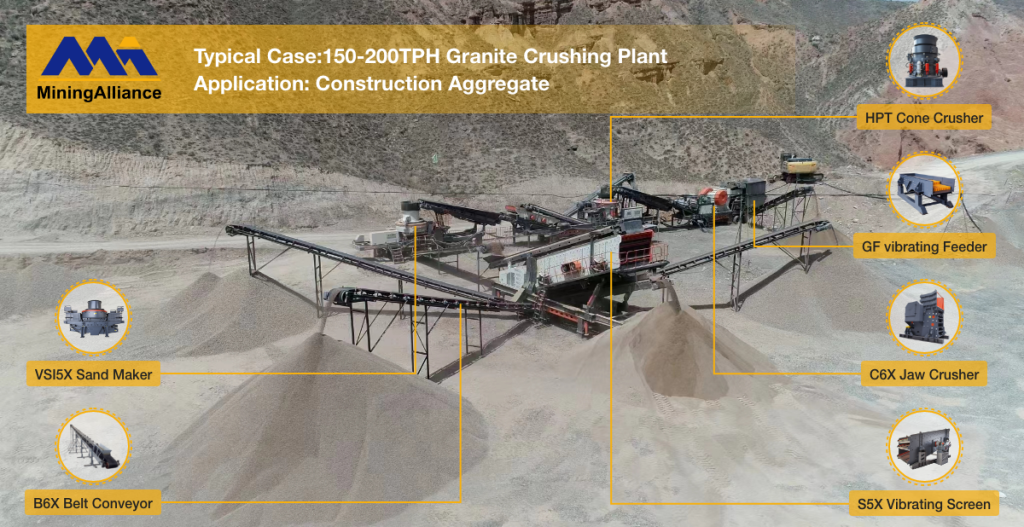
MiningAlliance – Provide compact, mobile solutions designed for rapid deployment, ideal for regional construction projects and smaller-scale mining operations. These brands emphasize modularity, ease of maintenance, and compatibility with local materials.
Value Proposition
Chinese manufacturers balance performance, cost, and flexibility:
- Affordable pricing: Machines are often significantly cheaper than international equivalents, making them accessible to smaller operations.
- Custom solutions: Adaptable designs cater to specific regional requirements and material types.
- Rising quality standards: With improved metallurgy, hydraulic systems, and automation, Chinese crushers increasingly match international performance benchmarks.
Are international mobile crusher brands always better?
Not necessarily. While international brands certainly possess advantages in terms of brand heritage and global service networks, small-to-medium-scale projects—specifically those ranging from 5 to 300 TPH—often encounter the following issues:
- High investment costs
- Relatively rigid configurations
- Extended delivery lead times
In contrast, certain specialized Chinese manufacturers (such as MiningAlliance) place a greater emphasis on project suitability; provided that all technical requirements are met, the overall investment costs remain significantly more controllable.
Is it necessary to choose international brands for 5–300 TPH mobile crushing projects?
For 5–300 TPH projects, international brands are not always necessary.
Many buyers choose specialized Chinese suppliers like MiningAlliance, which focus on this capacity range and provide customized tracked, wheeled, or mini mobile crushing solutions with more reasonable investment levels.