Overview of Mobile Crusher Plants in Material Recycling
Key Features of Mobile Crusher Plants
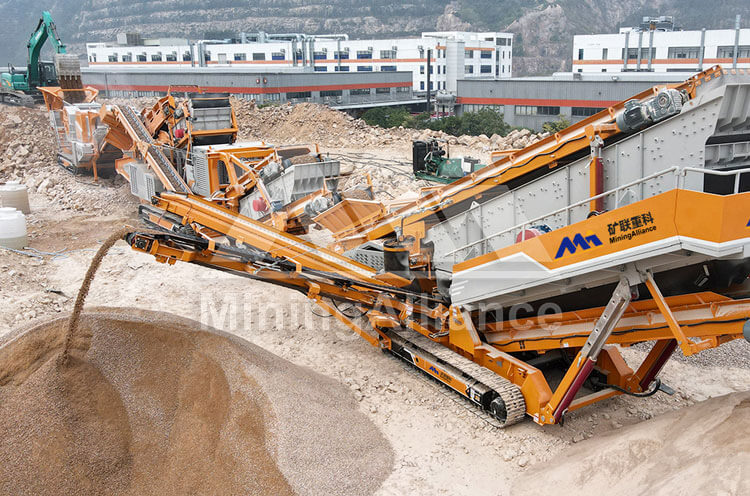
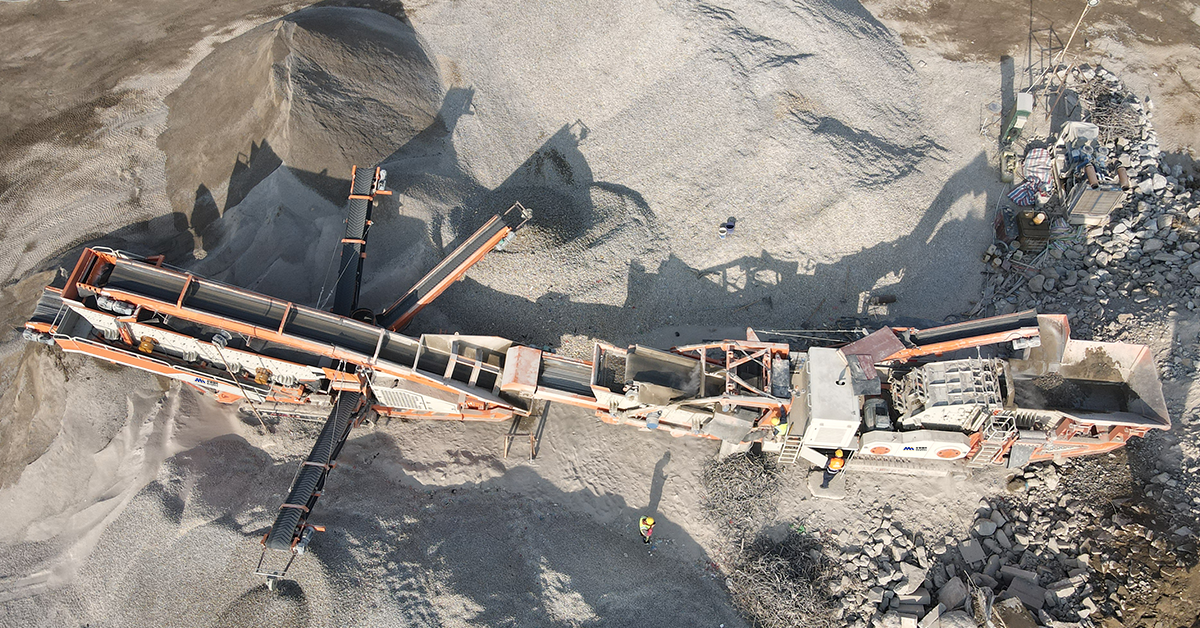
Mobile crusher plants have revolutionized the material recycling industry through their exceptional portability and flexibility in operation. These systems can be rapidly deployed to various job sites, eliminating the need for permanent installations and enabling processing closer to waste generation sources. The advanced technology integration for efficient crushing incorporates sophisticated control systems, automated feed regulation, and real-time performance monitoring capabilities that optimize throughput while maintaining consistent product quality.
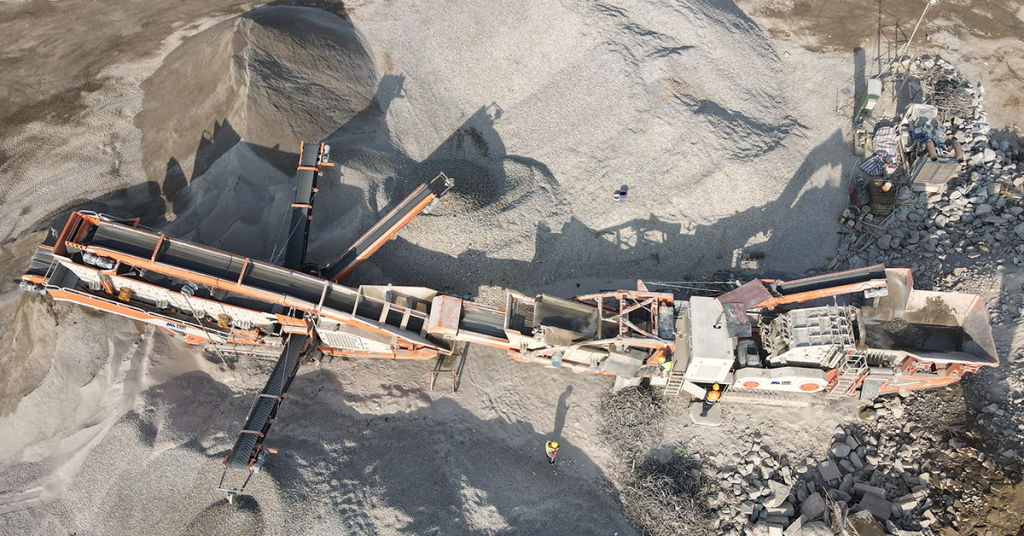
The compatibility with various materials and recycling processes makes mobile crusher plants versatile solutions for diverse applications. These units effectively process construction and demolition waste, concrete, asphalt, natural stone, and various industrial byproducts, adapting their crushing parameters to achieve desired output specifications for different material streams.
Types of Mobile Crusher Plants
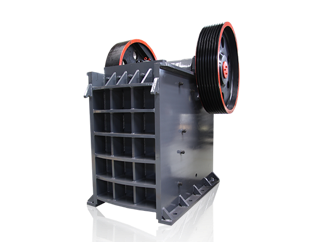
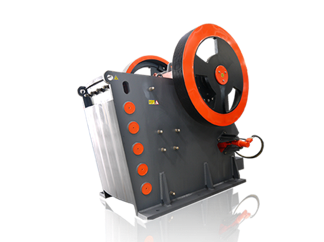
The industry offers specialized configurations to address specific crushing requirements. Jaw crusher plants for primary crushing excel in handling large, hard materials with high reduction ratios, making them ideal for initial size reduction of oversized waste materials. These robust units can process materials up to 1,500mm in size, delivering reliable performance in demanding recycling applications.
Cone crusher plants for secondary crushing provide superior cubical product shape and consistent gradation, essential for producing high-quality recycled aggregates. Their advanced crushing chambers and hydraulic adjustment systems enable precise control over product sizing and improve material recovery rates.
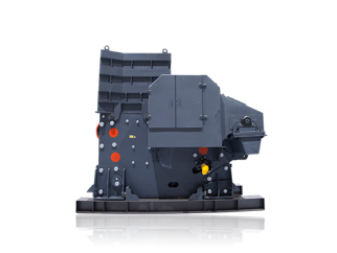
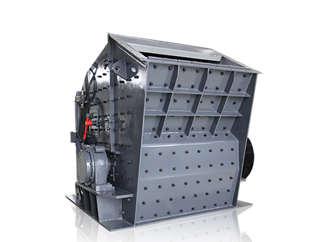
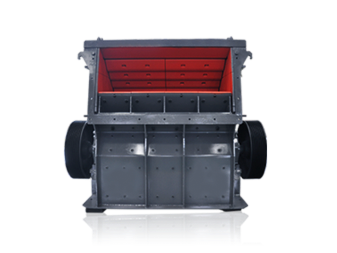
Impact crusher plants for fine material processing deliver exceptional reduction capabilities for softer materials and produce well-graded, angular aggregates suitable for high-specification applications. These units incorporate selective crushing technology that enhances the liberation of valuable materials from composite waste streams.
Advantages of Using Mobile Crusher Plants in Recycling
Efficiency and Cost-Effectiveness
The implementation of mobile crusher plants generates substantial reduction in transportation costs due to on-site processing capabilities. By eliminating the need to transport raw waste materials to fixed processing facilities, operations achieve significant savings in fuel costs, vehicle wear, and logistics coordination while reducing project timelines.
Decreased operational costs with advanced automation result from sophisticated control systems that minimize manual intervention, optimize energy consumption, and maintain consistent production rates. These automated features include load monitoring, crusher setting adjustments, and predictive maintenance alerts that maximize uptime and operational efficiency.
Environmental Benefits
Mobile crusher plants demonstrate a lower carbon footprint compared to traditional methods through reduced transportation requirements and optimized energy utilization. The ability to process materials at the source eliminates multiple handling stages and associated emissions, while modern engine technologies and hybrid power systems further reduce environmental impact.
Their contribution to sustainable waste management practices supports circular economy principles by converting waste materials into valuable resources at the point of generation. This approach minimizes landfill disposal, conserves natural resources, and promotes responsible material stewardship across construction and industrial sectors.
Impact on Material Recycling Processes
Enhancements in Material Recovery Rates
Mobile crusher plants deliver improved separation and sorting capabilities through integrated screening systems and magnetic separators that effectively isolate different material fractions. Advanced crushing technologies enable better liberation of bound materials, increasing the recovery of valuable components from complex waste streams.
The achievement of higher purity levels of recycled materials results from precise control over crushing parameters and multi-stage processing capabilities. These systems can adjust crushing force, speed, and gap settings to optimize material quality while minimizing contamination and producing consistently graded outputs that meet stringent specification requirements.
Influence on Process Workflow
Streamlined operations with integrated systems eliminate material handling bottlenecks and reduce process complexity through coordinated crushing, screening, and conveying components. This integration enables continuous material flow and automated quality control, significantly improving overall processing efficiency and reducing operational overhead.
Reduced downtime through mobile flexibility allows operators to quickly relocate equipment to new processing sites or adjust positioning for optimal material flow. This mobility minimizes idle time between projects and enables rapid response to changing material availability or processing requirements.
Challenges and Considerations in Implementing Mobile Crusher Plants
Technical Challenges and Solutions
Maintenance requirements for optimal performance demand specialized expertise and comprehensive preventive maintenance programs to ensure reliable operation in demanding recycling environments. Regular component inspections, lubrication schedules, and wear part monitoring are essential for maintaining peak performance and preventing costly failures.
Addressing wear and tear issues with durable components involves selecting appropriate crusher configurations and wear-resistant materials suited to specific application demands. Modern mobile crusher plants incorporate advanced metallurgy and replaceable wear parts designed to maximize service life while maintaining consistent product quality throughout component lifecycles.
Economic and Regulatory Considerations
Initial investment costs versus long-term savings require careful analysis of equipment capabilities, financing options, and projected operational benefits. While mobile crusher plants represent significant capital investments, their flexibility, efficiency gains, and reduced operational costs typically generate favorable returns over equipment lifecycles.
Compliance with environmental regulations and standards necessitates thorough understanding of local noise, dust, and emissions requirements that govern mobile crushing operations. Operators must implement appropriate control measures and obtain necessary permits to ensure regulatory compliance while maintaining productive operations.
Future Trends and Innovations in Mobile Crusher Technology
Integration of Smart Technologies
The use of IoT for real-time monitoring and predictive maintenance represents a transformative advancement in mobile crusher plant technology. Connected sensors throughout crushing systems provide continuous performance data, enabling proactive maintenance scheduling and operational optimization that minimize unplanned downtime.
Adoption of AI for optimizing crushing processes leverages machine learning algorithms to analyze operational data and automatically adjust crushing parameters for maximum efficiency. These intelligent systems continuously learn from processing conditions and material characteristics to optimize throughput, energy consumption, and product quality.
Evolution of Design and Functionality
Development of more compact and efficient models focuses on maximizing processing capability while reducing equipment footprint and transportation requirements. Advanced engineering approaches incorporate lightweight materials and optimized component layouts that enhance mobility without compromising performance.
Innovations aimed at enhancing mobility and adaptability include modular designs that enable rapid reconfiguration for different applications and improved transportation systems that simplify site-to-site movement. These developments expand the operational flexibility of mobile crusher plants and broaden their applicability across diverse recycling applications.