Understanding Mobile Crusher Plants
What is a Mobile Crusher Plant?
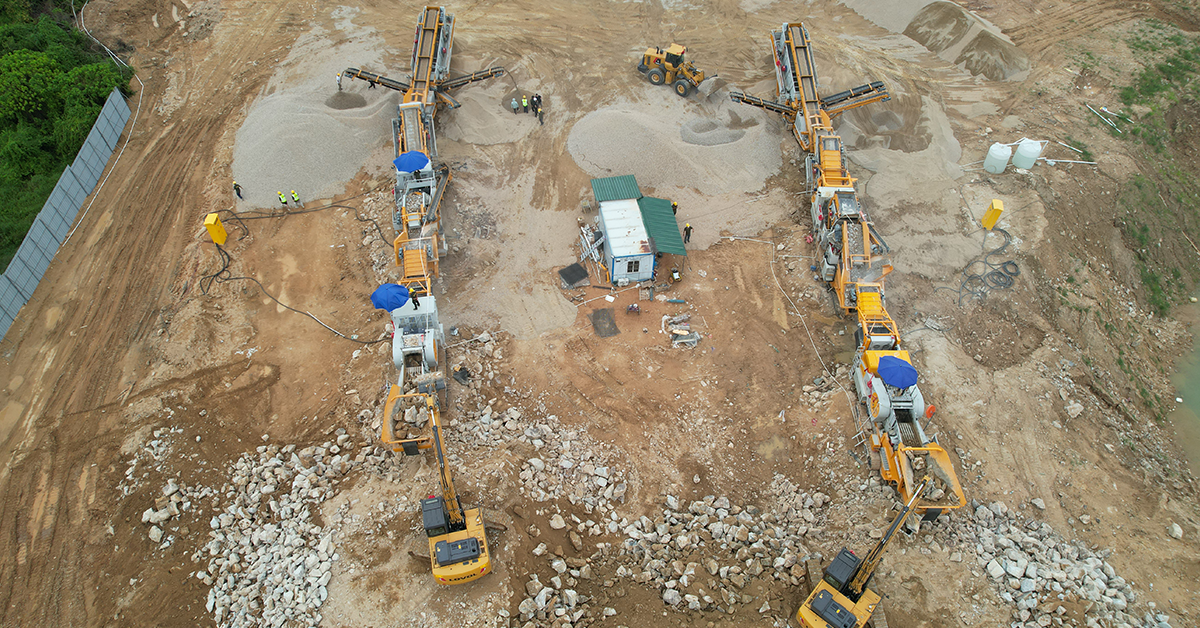
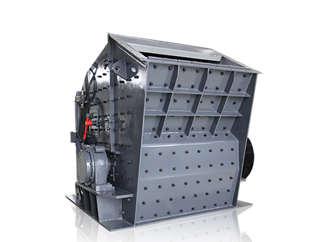
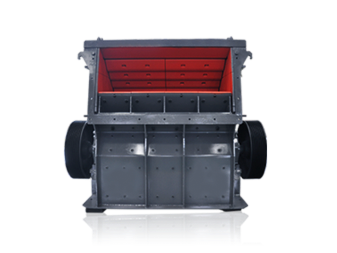
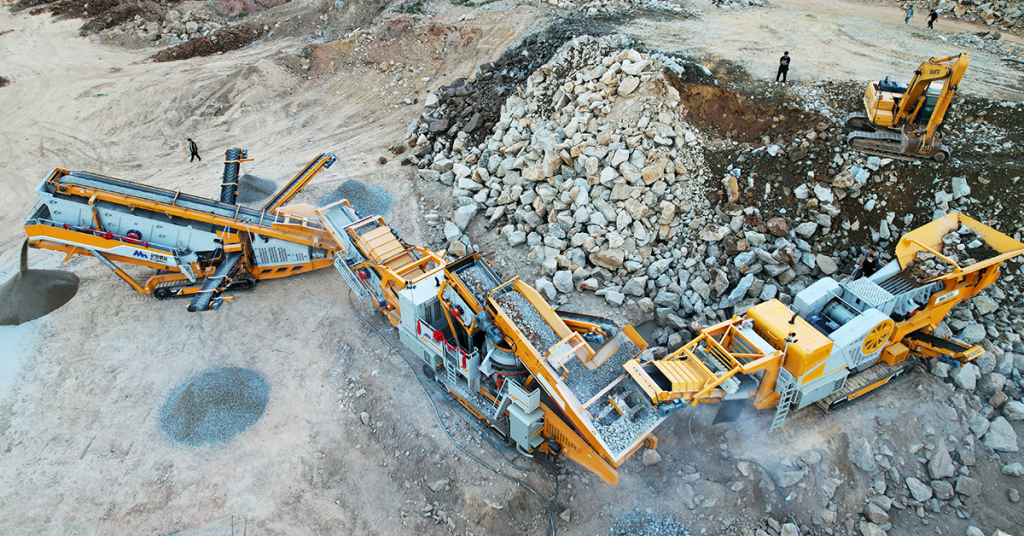
A mobile crusher plant is a portable crushing equipment designed to make to-tal utilization of materials in waste processing, mining and other industries. The mobile crusher plant greatly saves the working field. It can crush the materials on the run, and the primary crushing, screening and transferring materials can be processed at the site conveniently. The mobile crusher plant mainly consists of crusher, vibrating screen, conveyor and other equipment, the material will be crushed, sieved and transported in a continuous cycle through the equipment. The crushing machine, vibrating screen, conveyor and other equipment are all arranged on a single platform, which is mobile with tracks or wheels.
-1024x791.png)
Mobile Crusher Plants Mobile crusher plants are widely used development projects where as stationary crushing facilities cannot be installed due to their high investment costs. While stationary plants have to be established permanently, high investments are required. In the case of mobile crushing plants, since they can be easily transferred from one place to another, the work in different areas is done faster, which reduces the transportation cost of the material to be crushed. Mobile crushing plants are a great help with their fast setup time.
Key Features of Mobile Crusher Plants
Most advantages of mobile crusher plants lie in their portability, allowing for quick transfer from site to site. Movement is carried out via transportation trailers or self-propelled tracks. Due to their much more compact size when compared to stationary plants, mobile crusher plants can get into places where no stationary crusher plant can fit into. As a result, the mobile crusher plants help in reducing the setup time, thereby cutting down on project downtime.
The ability to change configuration from one application to the next gives the system excellent versatility. Different closing head positions are available depending on product size required. Additional decks and/or perforated screens can be substituted for each other as product size required changes. The versatility of design also lends itself to future upgrade of individual components as the overall project progresses.
Advanced technology allows for more efficient and safe operation. With modernization of mobile crusher plants, the use of GPS and other technologies allows for better fleet management. With the ability to remotely monitor the performance of the plant and access key diagnostic information in real time, it’s possible to operate more efficiently. The use of intelligent feed control allows for optimal material flow through the crusher and prevents overloading of the plant. In addition, efficient dust suppression systems reduce the environmental impact during crushing and screening operations.
Applications of Mobile Crusher Plants in Different Industries
Construction and Demolition Waste Management
Mobile Crusher Plants can also be used in recycling applications such as recycling concrete and asphalt as well as crushing rubble on-site. Additionally, they can also be used for crushing demolished structures, bringing the materials gained to reusing as concrete aggregate. Thanks to special designs, the obtained materials are successfully used in road base and filling materials and new concrete production. Recycling through mobile crusher plants contributes greatly to the reduction of solid waste dumped in Ecology Fields and also protects the natural stone sources.
On-site crushing will allow us to greatly reduce logistics costs and time by crushing the materials at the point of demolition thereby resulting in a faster construction programme and availability of the reclaimed aggregates for future construction activities at the site itself thus further reducing traffic in urban areas.
Mining Industry Applications
In the Mining Industry, Mobile Crusher Plants are used for Ore extraction and processing. By positioning a Mobile Crusher Plant in a number of strategic locations within a large mining area, extraction of ore can be carried out. The Ore is first crushed by the Mobile Crusher Plant in situ and then is easily transported to a processing centre. The various Crushers are designed to handle different Ore types and levels of hardness.
Remote mining locations particularly benefit from mobile crusher plant deployment. These sites often lack permanent infrastructure for stationary crushing facilities. Mobile units provide processing capabilities without significant capital investment in fixed infrastructure. The self-contained design operates independently of external utilities in remote locations.
Quarrying and Aggregate Production
Mobile Crusher Plants can be used for aggregate production for many construction projects. They can process any type of rock ranging from limestone to granite and sandstone to produce high quality grade products. This flexible design of mobile crushers allows to meet any conditions of quarries or production sites. They can work as efficiently as stationary crushers and with much greater flexibility.
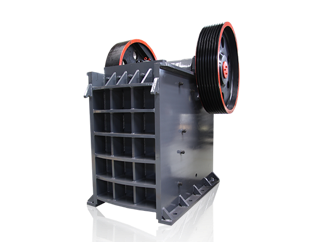
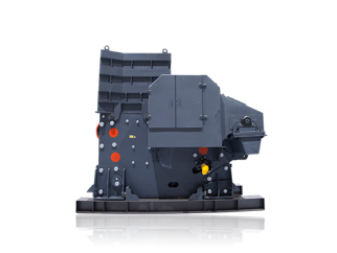
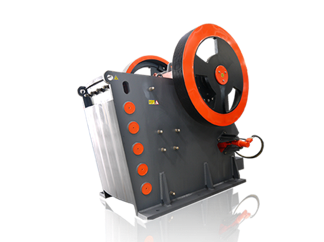
The efficiency of crushing different types of rocks is largely dependent on the appropriate choice and design of the crusher and the screening systems. Jaw crushers are primarily used for handling hard and abrasive stones. Impact crushers are suitable for crushing relatively soft and weak stones. Cone crushers are also appropriate choices for secondary and tertiary crushing of rocks. Screening systems are also used for separating the crushed products in required grades.
Advantages of Using Mobile Crusher Plants
Operational Efficiency and Cost-effectiveness
Lower transportation costs are realized. Current practices involving crushing and grinding operations often require hauling material to some remote processing facility followed by hauling the processed product back to the job site. The mobile crusher plants eliminates the need for two hauls which in turn eliminates a large portion of the associated fuel costs and corresponding wear on the transport vehicles.
Lower operating costs, compared to stationary facilities, are achieved due to: Less extensive groundwork is required. Permanent foundations are not necessary. Fewer workers are required and quicker for assembly/dis-assembly. The integrated diagnostic system results in lower maintenance.
Environmental Impact and Sustainability
Mobile crusher plants are designed to reduce the carbon footprint in today’s increasingly regulated environment. Modern diesel engines meet all stringent emission standards. By eliminating the need to haul materials over long distances, the amount of fuel consumed decreases, as does the amount of emissions released. Energy efficient crushing technology also allows for the highest productivity possible from the least amount of fuel.
Our plants ensure a more sustainable building and infrastructure process through the opportunity to implement complete material recycling schemes. Instead of being disposed to landfill, construction and demolition waste can be turned into high quality aggregates. This method reduces demand on virgin extracted material from nature thereby contributing to resource preservation. Circular economy concepts are also incorporated into the mobile crushing process.
Technological Innovations in Mobile Crusher Plants
Integration of Automation and Control Systems
The use of automation systems in mobile crusher plants can provide higher precision and higher level of safety. By applying the feed control system, the material feeding to crushers can be optimized. By monitoring the load in crushing and screening plants, the equipment is not over loaded and plant lifetime of wear parts is increased. With the safety systems, the plant is stopped in hazardous situations, providing the workers with a safe environment.
Remote monitoring provides real time data analysis capability from a central location. Real time information and historical information regarding the performance of the machines, production levels and required maintenance can be easily monitored by operation teams from a distance. Reducing on site personnel required to monitor and manage equipment not only reduces personnel hazards but also reduces operational costs. Predictive maintenance is also achieved by using real time data provided through performance monitoring.
Advancements in Crushing Technologies
Better durability in crushing components can enhance overall performance, longer life and less maintenance. Latest metallurgical techniques, combined with new heat treatment methods have enabled the production of longer lasting wear parts. Improved bearing design, enabling the crushing machine to carry heavier loads with less maintenance, is another factor which has contributed to enhanced durability and therefore lower operating costs, together with greater productivity.
Improve flexibility of mobile crusher plants with innovations. Different materials and particle sizes can be processed in one plant through simple change of crushing chambers. The quick change system allows an easy changeover of different materials with short shutdown periods. Hybrid power concept combines diesel and electric power with lower emissions and higher efficiency.
Challenges and Considerations for Deployment
Site-Specific Challenges
The assessment of the suitability of the terrain is always a significant factor for the effective and efficient operation of mobile crusher plant. Soft or unstable ground conditions may necessitate preparatory work or support structures. In addition, relatively steep inclines can impede access for the mobile crusher plant and affect the safety of the operation, which must be taken into account when determining the bearing capacity of the ground for the heavy loads of the mobile crusher plant.
Site access and related logistical matters have to be properly addressed. Route planning has to be performed with regard to oversized transport of heavy machinery, as well as the radius of the turns that have to be made by mobile crushing plants in order to avoid obstacles such as bridges that are no longer able to carry the weight of the equipment. In addition, potential interference with existing power lines as well as complicated rights-of-way planning can affect the placement and operation of the crushing plants.
Regulatory and Compliance Considerations
Environmental Regulations can be quite restrictive in where and how you can operate and deploy a mobile crusher plant. Air quality permits may be required for the crushing operation. Noise permits may be required to operate in residential areas. Water discharge regulations may also restrict how you manage your wash water and how you dust suppress.
When your plant is up and running, it’s crucial to have adequate safety procedures and training programs in place. Mobile crushing safety operations fall under OSHA regulations. Make sure your operators are properly trained and certified for the job. Another crucial part of your plant’s safety program is regular inspection of your crushing equipment to ensure you are meeting or exceeding all OSHA and EPA regulations.
FAQs About Mobile Crusher Plants
What are the primary benefits of using a mobile crusher plant over a stationary one?
The mobile crusher plants can be moved as many times as required from one quarry or site to another making them ideal for changing material sources. The plants can be up and running in a matter of hours rather than weeks, which allows for a quicker start up to projects. Lower transportation costs are also achieved as the material is crushed at the mine or quarry, reducing the amount of material that has to be transported. Also, the capital investment is lower as there is no need for large permanent foundations.
How do mobile crusher plants contribute to sustainable construction practices?
Plants for recycling construction and demolition waste into recyclable aggregates. The recycling of construction and demolition waste reduces landfill disposal and protects natural resources. It reduces transportation costs, particularly for long distances, by applying the principle of recycling locally. The plants are highly efficient in terms of energy consumption and are also fully equipped with the latest available emission reduction technology.
What industries benefit most from the use of mobile crusher plants?
Construction and demolition activities benefit from on-site crushing and recycling services. Mining often involves the use of mobile crushing and screening plants to process ore at the source in large open-pit mining operations. Quarry production can also vary between types of rock and different products are required for different markets. Road construction also has mobile crushing and screening capabilities which can move with the work as the production of aggregates is required on site.