Understanding Impact Crushers
Definition and Working Principle
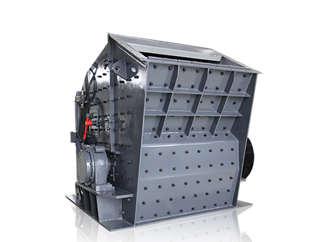
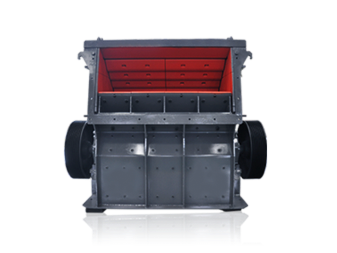
An impact crusher is a high-efficiency crushing device that breaks down materials using rapid impact energy. Unlike compression-based crushers (like jaw or cone crushers), impact crushers shatter materials along their natural fracture lines through striking forces.
The core working principle involves a high-speed rotating rotor equipped with hammers or blow bars. Material enters the crushing chamber via a feed hopper.
Repeated impacts from the hammers and against these surfaces fracture the material into smaller pieces. The process continues until particles are small enough to exit through adjustable discharge openings. This method excels at producing cubical-shaped products with fewer fines, ideal for aggregates in concrete and asphalt.
Types of Impact Crushers
Impact crushers come in several configurations, each suited to specific applications:
Horizontal Shaft Impact (HSI) Crushers:
Feature a horizontally oriented rotor. Material is struck by blow bars on the rotor and hurled against aprons. HSIs deliver high reduction ratios (often 10:1 to 20:1) and are versatile for primary and secondary crushing of softer to medium-hard materials like limestone, concrete, and asphalt. They produce excellent cubical shapes but experience higher wear on abrasive materials.
Vertical Shaft Impact (VSI) Crushers:
Use a vertically oriented rotor that accelerates material centrifugally, flinging it against anvils, rock shelves, or other particles. VSIs excel in tertiary or final-stage crushing, producing finely shaped, sand-like products with high cubicity. They handle harder materials and are popular for manufactured sand and shaping aggregates.
Mobile Impact Crushers:
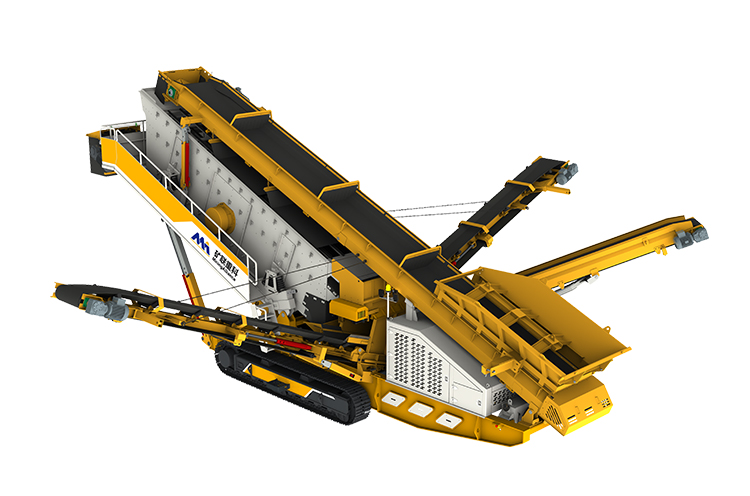
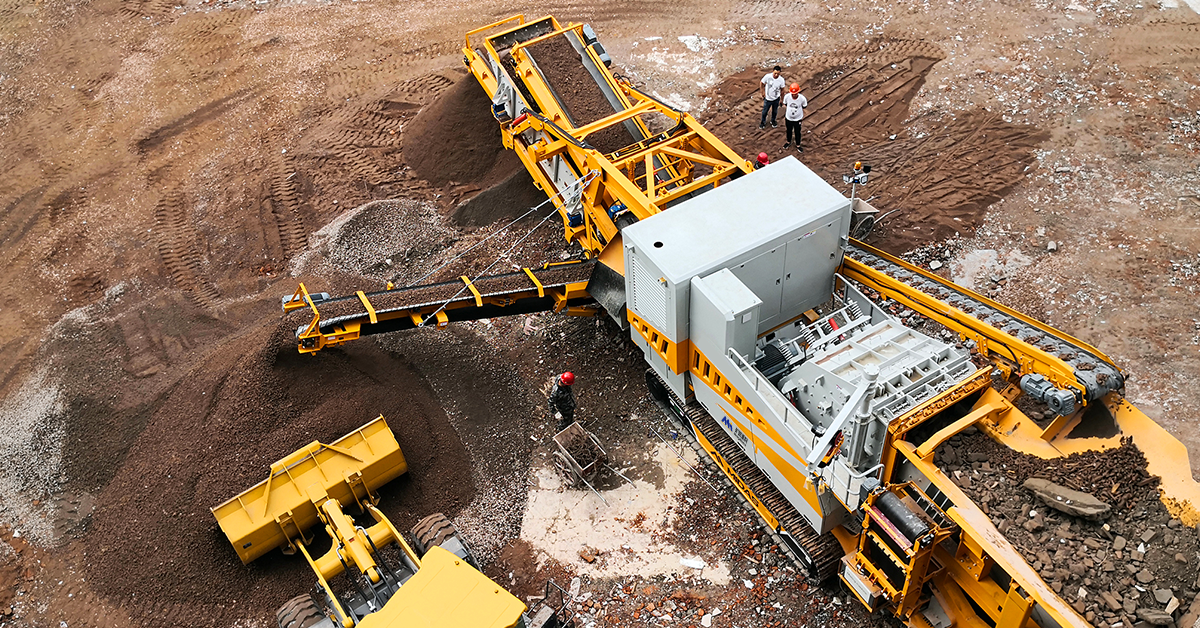
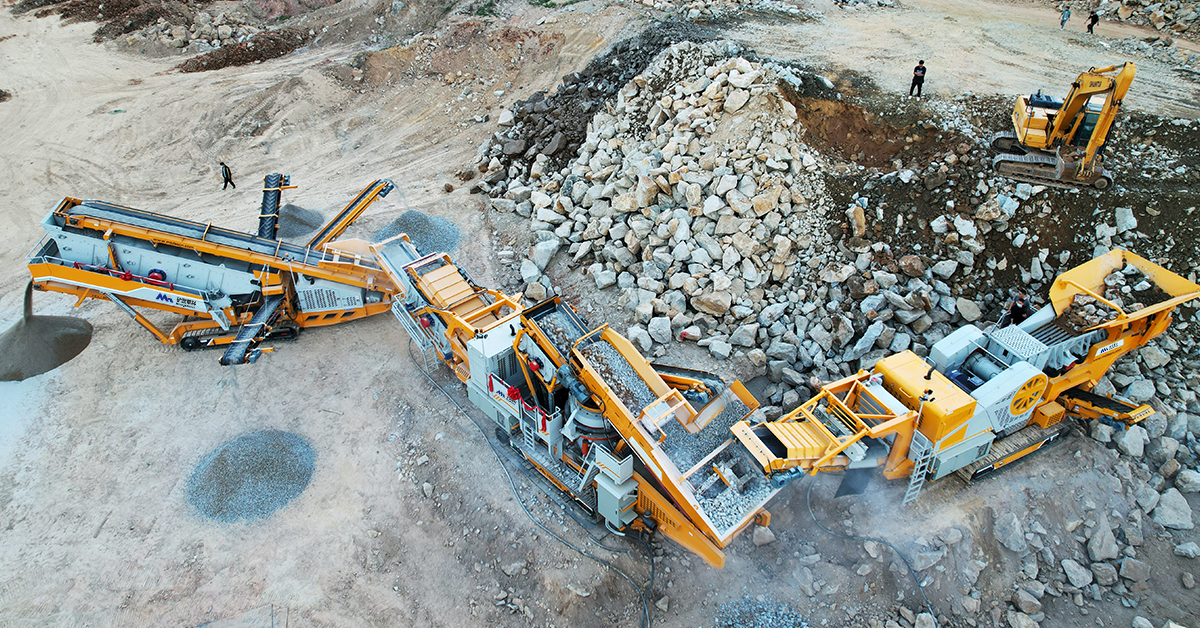
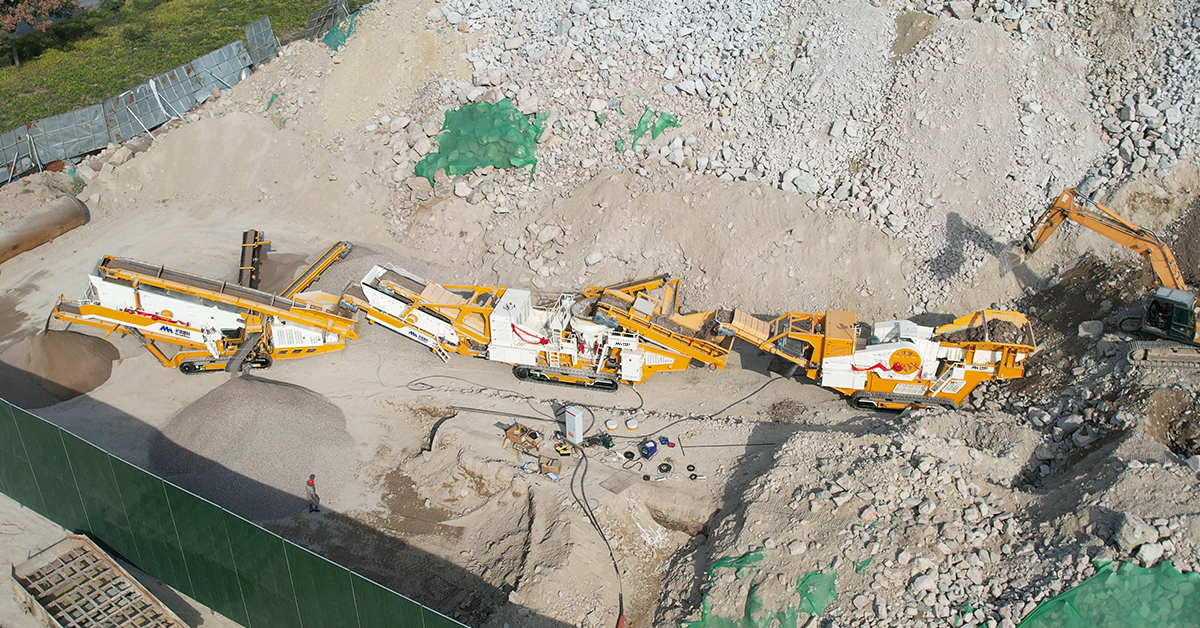
Track- or wheel-mounted units combining an impact crusher (usually HSI) with screening and conveying systems. These offer portability for on-site crushing in quarries, demolition sites, or recycling yards, reducing transportation costs and enabling quick relocation.
Key Features to Consider
When selecting an impact crusher, evaluate these critical aspects:
- Crushing Capacity: Measured in tons per hour (tph), ranging from 50-2000+ tph depending on model and material. Larger rotors and chambers support higher throughput.
- Size Reduction Ratio: Often 10:1 to 20:1 or higher for HSIs, enabling fewer crushing stages. VSIs focus more on shaping than extreme reduction.
- Energy Efficiency: Modern designs minimize power consumption through optimized rotors, chambers, and hydraulics. Features like heavy-duty rotors with high inertia reduce energy needs per ton.
- Durability of Wear Parts: Blow bars, hammers, aprons, and liners face intense abrasion. High-chromium alloys or manganese steel extend life, especially for abrasive feeds. Easy hydraulic adjustments and quick-change systems lower downtime and maintenance costs.
These features ensure reliability, lower operating costs, and better product quality.
2.Top Impact Crusher Manufacturers in China
China dominates global crusher production, offering competitive pricing, advanced technology, and reliable performance. Leading firms emphasize energy efficiency, intelligent controls, and global support.
MiningAlliance (Zhengzhou MiningAlliance Machinery Co., Ltd.)
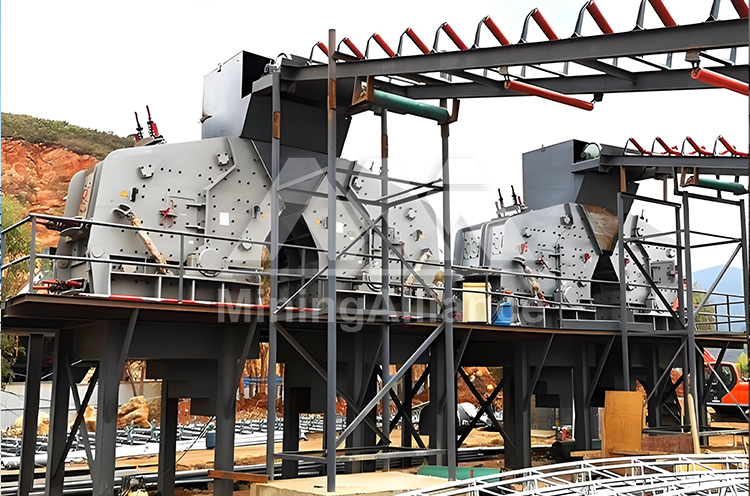
This company specializes in both stationary and mobile impact lines, providing customized solutions for mining and aggregates. They offer models like PFW (European-style) impact crushers and tracked mobile units, emphasizing versatility, quick setup, and cost-effective performance in diverse applications.
Zhengzhou MiningAlliance is committed to selecting the highest quality equipment for clients, providing the most cost-effective production line solutions, and enabling clients to achieve long-term stable returns on investment.
3. How to Choose the Right Impact Crusher Manufacturer for Your Needs
Selecting the right impact crusher manufacturer depends on project scale, budget, material characteristics, and operational goals. Here’s a practical guide:
Small/Medium Projects or Tight Budget:
Consider MiningAlliance or similar cost leaders.
For 5–300 TPH projects, international brands are not always necessary.
Many buyers choose specialized Chinese suppliers like MiningAlliance, which focus on this capacity range and provide customized impact crusher,tracked, wheeled, or mini mobile crushing solutions with more reasonable investment levels.
Advantages: Affordable, reliable for soft to medium-hard materials.
Applications: Small quarries, recycled concrete, or secondary crushing.
Mobile/Portable Needs:
MiningAlliance focus on different segments, from standardized solutions to more project-oriented mobile crushing plants.
Advantages: Easy transport, rapid setup, suitable for urban demolition or temporary sites.
Applications: On-site crushing, construction debris recycling, remote mining.
Case Studies: Real‑World Performance of Chinese Impact Crushers
Quarry Aggregate Production
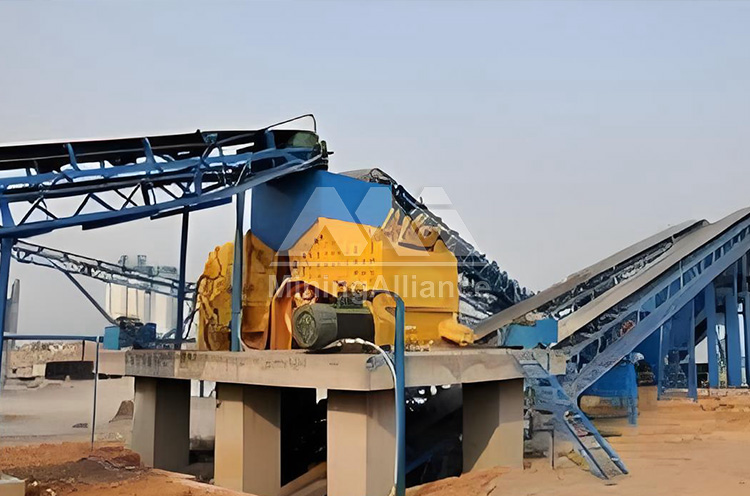
In a limestone quarry in Central Asia, a CI5X series impact crusher from MiningAlliance was deployed in a secondary crushing line, delivering high‑quality cubical aggregates for road construction. The plant achieved consistent throughput and reduced maintenance intervals thanks to robust blow bars and a hydraulic adjustment system.
Recycling and Construction Waste
An MiningAlliance mobile impact crusher plant processed demolished concrete at scale, enabling on‑site crushing and immediate reuse of recycled aggregates. The modular design reduced transport costs and cleared construction waste efficiently — a critical factor for infrastructure projects with tight schedules.
Large‑Scale Mining Operation
MiningAlliance’s impact crusher, used as part of a tertiary crushing suite in a granite mining project, delivered uniform particle size and shape, crucial for high‑grade aggregate specifications in export markets. The company’s engineering support ensured optimal crusher configuration and integration with conveyors and screening units.