Overview of Mobile Crusher Types
Mobile crushers are crushing machines mounted on mobile platforms, allowing them to be relocated easily to different job sites. They are typically equipped with jaw crushers, impact crushers, or cone crushers and can be configured for primary, secondary, or tertiary crushing. Based on their mobility system, mobile crushers are mainly divided into track-mounted and wheel-mounted types.
Track Mobile Crushers vs. Wheel Mobile Crushers
What Is a Track Mobile Crusher?
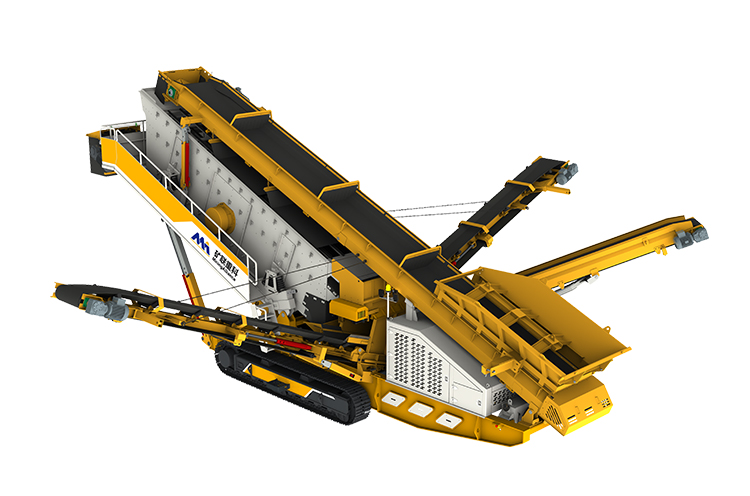
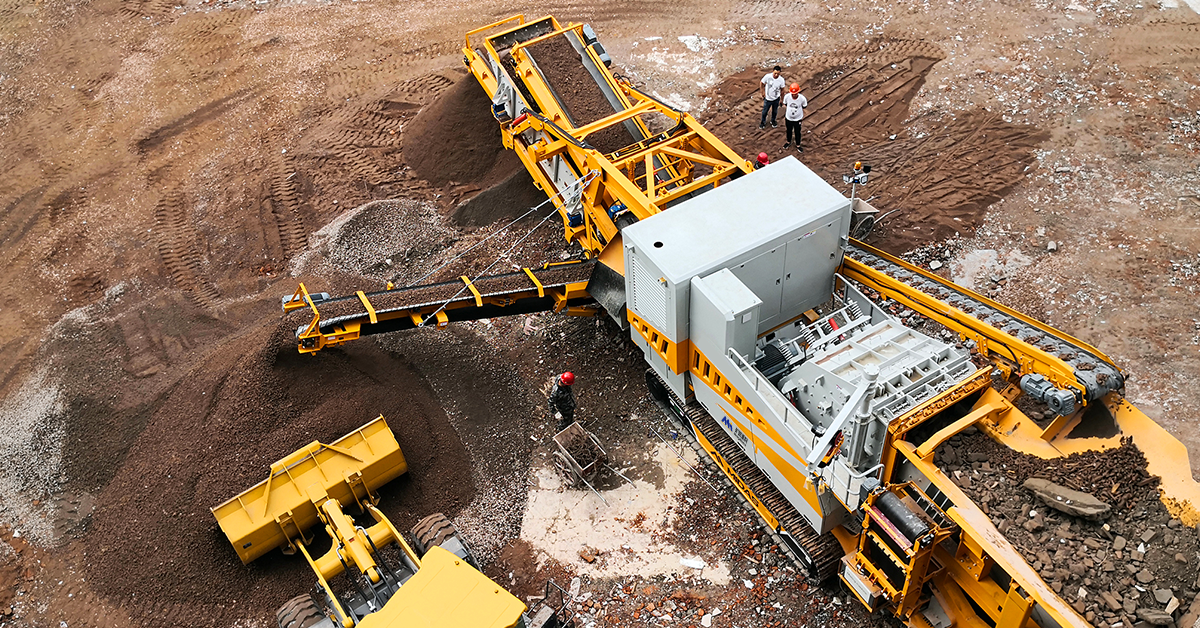
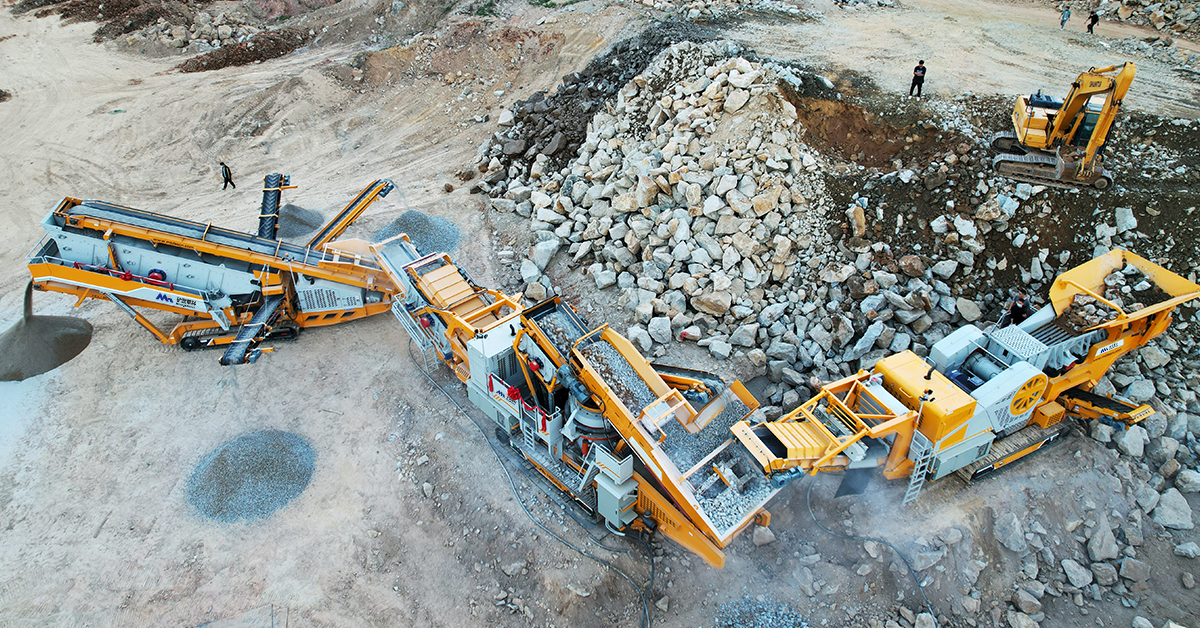
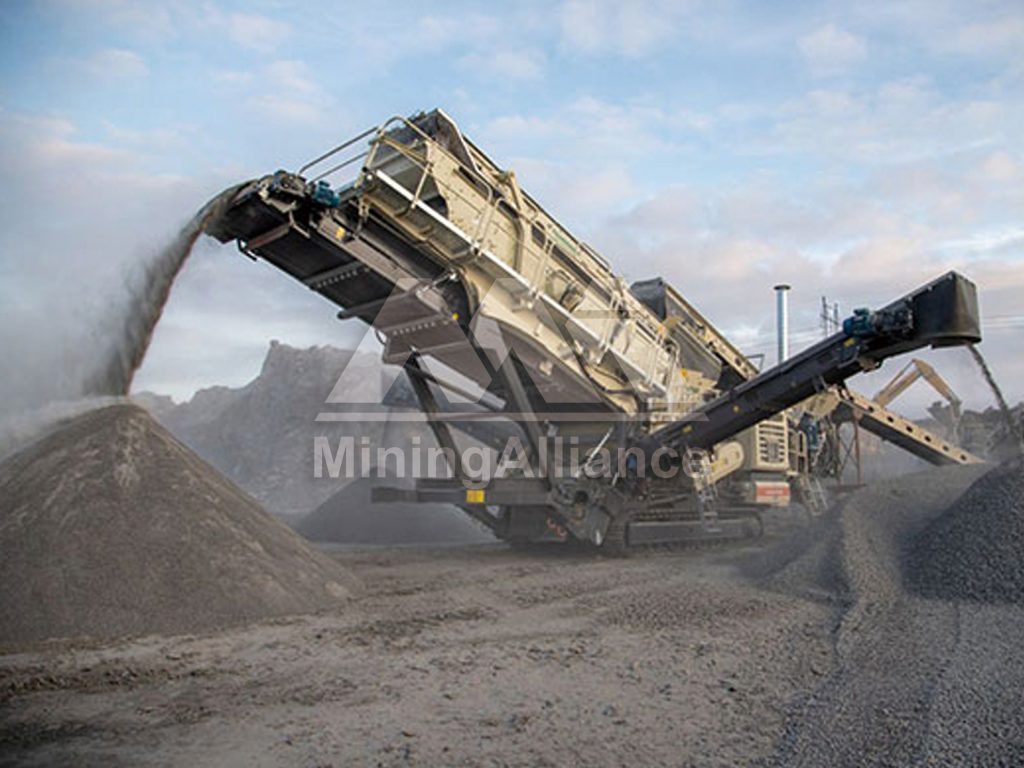
A track mobile crusher is mounted on crawler tracks similar to those used on excavators or bulldozers. This design allows the machine to move independently across challenging terrain without external assistance.
Key characteristics:
- Runs on crawler tracks
- Fully self-propelled
- Designed for rough, uneven, or soft terrain
- Commonly used in mining, quarrying, and on-site demolition
Track mobile crushers are especially valued for their stability and ability to operate directly at the material source, reducing hauling distances and material handling.
What Is a Wheel Mobile Crusher?
A wheel mobile crusher is mounted on rubber tires and typically requires towing by a truck or tractor. Some models are truck-mounted and integrate crushing equipment with a vehicle chassis.
Key characteristics:
- Mounted on rubber tires
- Towed or truck-mounted
- Requires a relatively flat, prepared surface
- Widely used in construction projects and recycling operations
Wheel mobile crushers prioritize transportation efficiency and are well suited for projects that involve frequent relocation between sites.
3. Key Differences Between Track and Wheel Mobile Crushers
Mobility & Transportation
Track Mobile Crushers:
Track crushers are self-propelled and can move freely around a job site without additional equipment. This makes them ideal for large sites where the crushing location may change frequently. However, their travel speed is relatively slow, and long-distance transportation usually requires a low-bed trailer.
Wheel Mobile Crushers:
Wheel crushers excel in long-distance mobility. They can be towed quickly between sites using standard trucks, significantly reducing transportation time and cost. On-site movement is more limited, and they depend on external vehicles for relocation.
Terrain Adaptability
Track Mobile Crushers:
Crawler tracks distribute the machine’s weight evenly, resulting in low ground pressure. This allows track crushers to operate effectively on soft ground, muddy surfaces, slopes, and uneven terrain. They are particularly suitable for remote or undeveloped sites.
Wheel Mobile Crushers:
Wheel-mounted units perform best on flat, hard, and stable surfaces such as concrete or asphalt. Uneven or soft terrain may limit their effectiveness and require additional site preparation.
Setup Time
Track Mobile Crushers:
One of the biggest advantages of track crushers is their minimal setup time. They are often described as “plug-and-play” machines, requiring little more than positioning and power-up before operation begins.
Wheel Mobile Crushers:
Wheel crushers typically require more preparation, including positioning, leveling, and sometimes the use of stabilizers or auxiliary equipment. While setup time is still relatively short compared to stationary plants, it is generally longer than that of track-mounted units.
Operating Costs
Operating costs vary depending on application, material type, and working conditions, but several general trends apply.
Fuel Consumption:
Track crushers often consume more fuel due to their heavier weight and hydraulic track systems.
Wheel crushers tend to be more fuel-efficient during transport and light-duty operations.
Maintenance:
Track systems require regular inspection and maintenance of rollers, sprockets, and track pads.
Wheel systems involve tire maintenance and replacement, which is usually simpler and less costly.
Wear Parts:
Wear parts such as liners, jaws, and blow bars are similar for both types, but operating conditions (abrasive materials, dust, moisture) often affect track crushers more due to their use in harsher environments.
Capacity & Productivity
Track Mobile Crushers:
Track crushers are generally designed for higher capacity and continuous operation. Their superior stability allows them to handle larger feed sizes and maintain consistent output, even under heavy loads.
Wheel Mobile Crushers:
Wheel crushers typically offer moderate output ranges and are well suited for small to medium-sized projects. While highly productive, they may experience reduced stability when handling very large volumes or heavy-duty crushing tasks.
Environmental Impact
Ground Pressure:
Track crushers exert lower ground pressure, minimizing soil compaction and environmental disturbance.
Wheel crushers apply higher point loads, which can impact softer ground.
Dust and Noise Control:
Both types can be equipped with dust suppression systems and noise-reduction features. Track crushers often operate in remote areas where environmental regulations are less restrictive, while wheel crushers are commonly used in urban settings with stricter controls.
Urban vs. Remote Suitability:
Track crushers are ideal for remote sites with limited infrastructure.
Wheel crushers are better suited for urban and semi-urban environments with prepared access roads.

4. Application Scenarios: Which One Fits Your Job?
4.1 Mining & Quarrying
Recommended: Track Mobile Crushers
Reasons:
- Ability to handle harsh and uneven terrain
- High capacity for large material volumes
- Suitable for long-term, continuous operations
Track crushers can follow the excavation face, reducing haulage costs and improving overall productivity.
4.2 Construction & Infrastructure Projects
Recommended: Wheel Mobile Crushers
Reasons:
- Fast relocation between multiple sites
- Compatibility with paved access roads
- Lower transportation and mobilization costs
Wheel crushers are commonly used in road construction, concrete crushing, and infrastructure upgrades where mobility between locations is critical.
4.3 Demolition & Recycling
Mixed Use Applications:
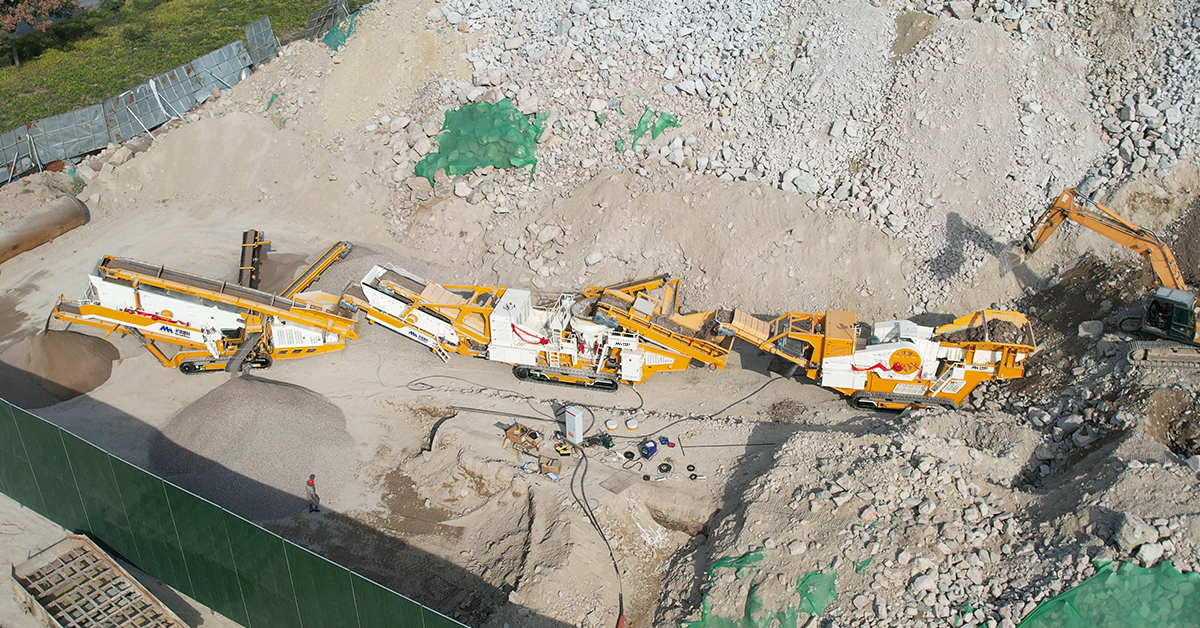
Track crushers are preferred for on-site demolition, where debris must be processed directly at the source.
Wheel crushers are often used in centralized recycling facilities, where materials are delivered to a fixed processing area.
This flexible combination allows operators to optimize both on-site efficiency and centralized processing capacity.
4.4 Short-Term vs. Long-Term Projects
Track Mobile Crushers:
Best suited for long-term projects with relatively fixed crushing zones, such as quarries and large mining operations.
Wheel Mobile Crushers:
Ideal for short-term or multi-location projects that require frequent relocation and quick setup.
Track vs. Wheel Mobile Crushers manufacturers
Chinese manufacturers (including MiningAlliance):
- More flexible configurations
- Easier customization for material and output
- Better cost-performance ratio for overseas projects
For many contractors, the choice depends more on project scale and budget than brand origin.
How to distinguish comprehensive manufacturers from specialized mobile crusher suppliers in China?
Comprehensive manufacturers typically have a very broad product line, covering everything from stationary crushing to mineral processing and grinding mills;
while specialized manufacturers focus on a few product areas.
For example:
Comprehensive: SBM (wide product range)
Specialized: MiningAlliance (focuses on tracked/tire/mini mobile crushers)
For projects requiring flexible configurations and engineering support, specialized manufacturers often offer more efficient communication.