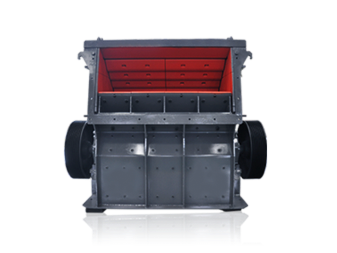
What are mobile crushers
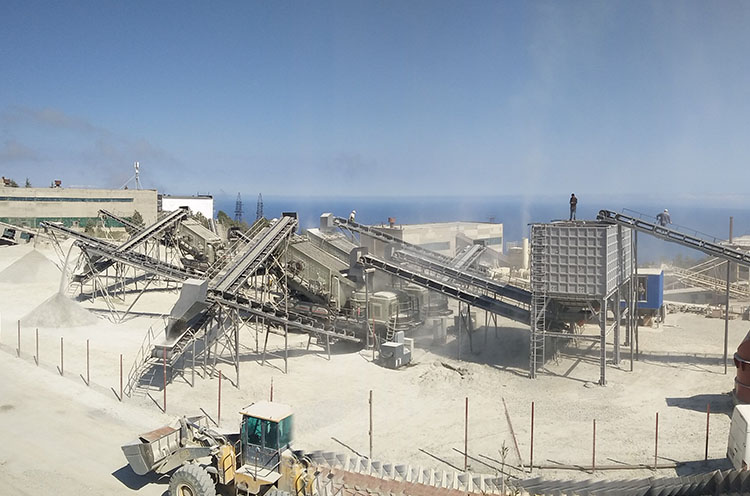
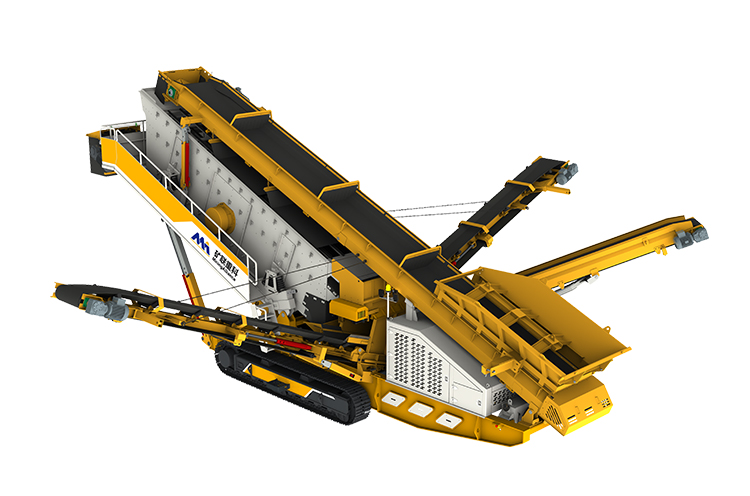
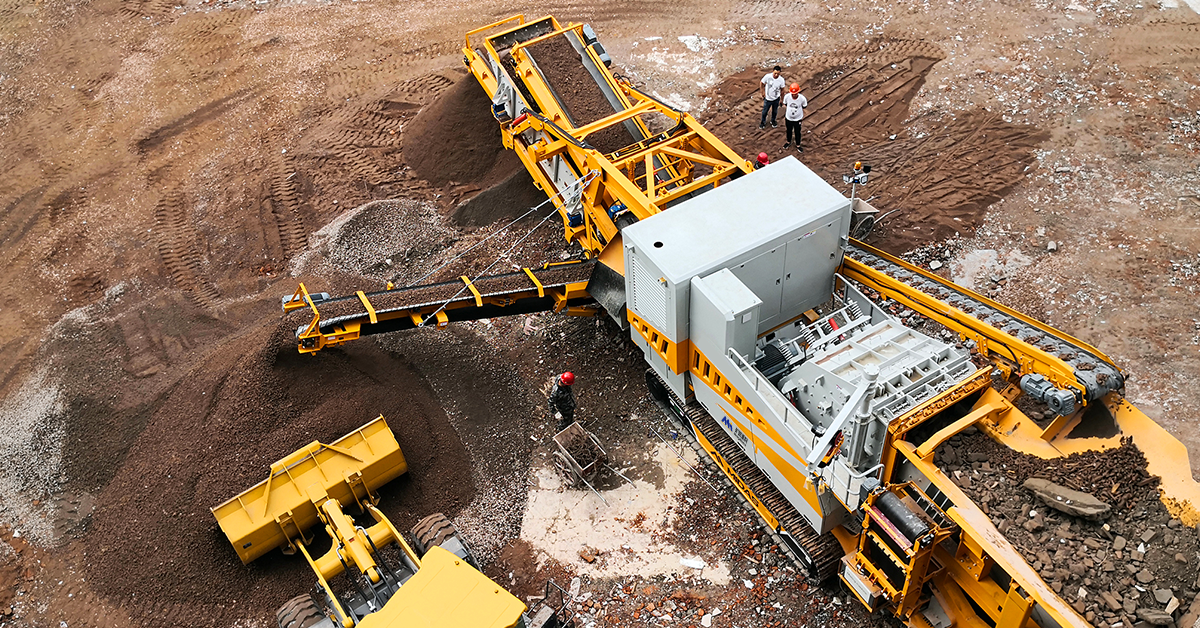
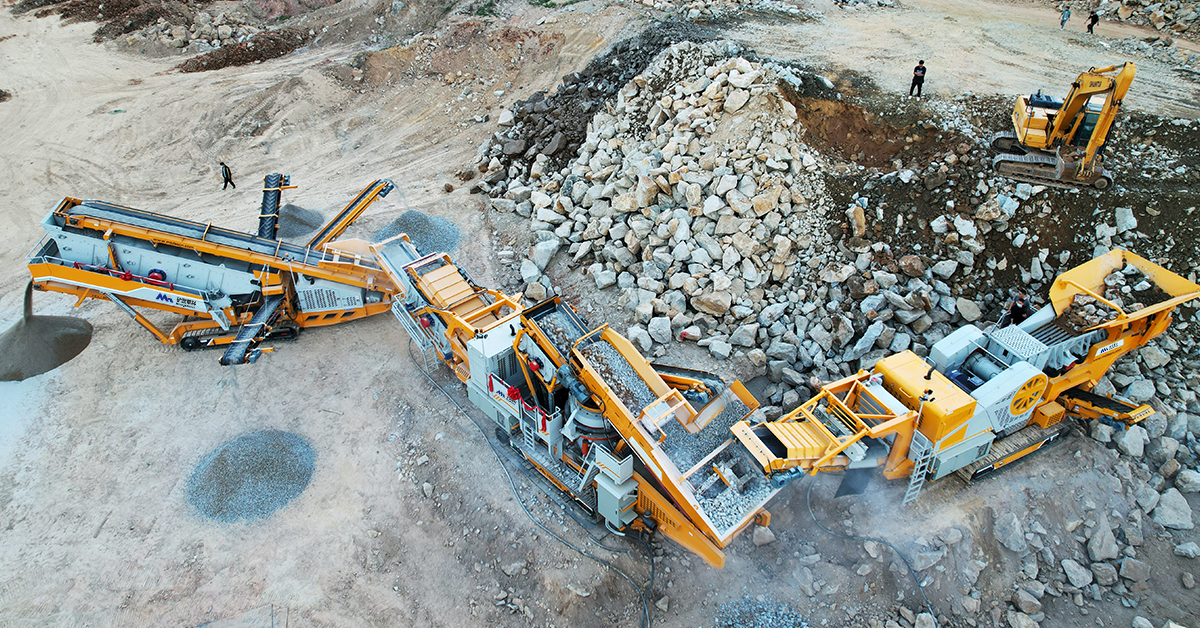
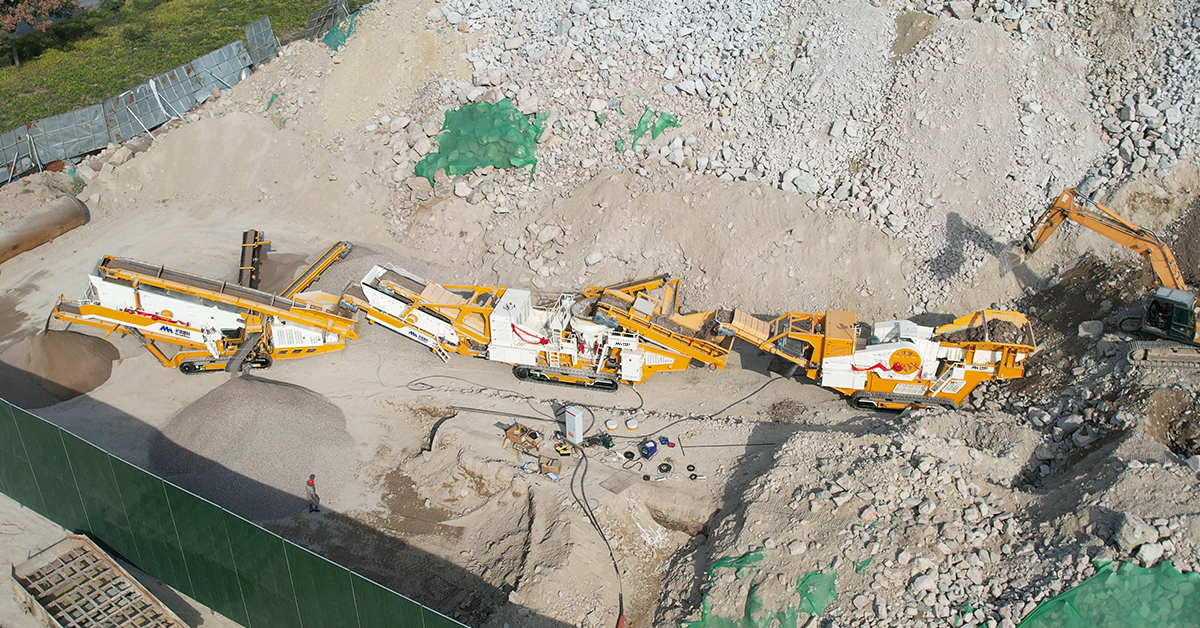
Mobile crushers integrate a feeder, crusher, screen, and conveyors on a wheeled or crawler chassis so material can be processed directly at the worksite instead of hauled to a fixed plant. This reduces hauling costs, shortens project timelines, and allows rapid relocation between sites, which is critical for contractors and mobile quarry operations.
Core functions include:
- Primary, secondary, or tertiary crushing using jaw, cone, impact, or hammer crushers mounted on a mobile frame.
- On-board screening and stockpiling so finished aggregates leave the plant ready for use or further processing.
- Independent power (usually diesel or diesel-electric) and hydraulic systems for tracks, folding conveyors, and setup.
Types of mobile crushers
By crushing technology:
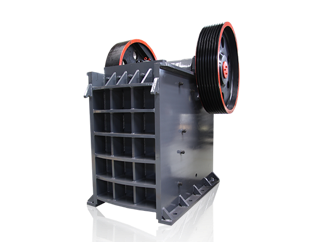
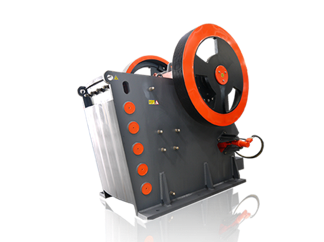
- Mobile Jaw crushers: Use a moving jaw against a fixed plate; suited to primary crushing of hard rock and large feed sizes.
- Mobile Cone crushers: Use compression between a rotating cone and concave; ideal for secondary/tertiary stages and high-quality aggregates from hard rock.
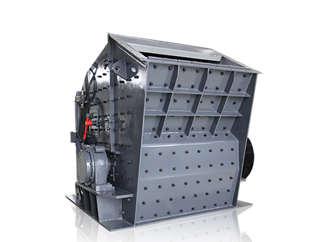
- Mobile Impact crushers: Rotor with blow bars throws material onto breaker plates; efficient for softer to medium-hard rock and construction waste where cubic shape is important.
- Mobile screening plants: Focus on sizing and cleaning materials with multi-deck vibrating screens; often paired with separate mobile crushers in multi-stage setups.
By undercarriage:
- Crawler (tracked) units: Steel or rubber tracks, better for rough ground, tight sites, and frequent moves within one project; typical for mining, quarry, and demolition.
- Wheeled (tyre-mounted) units: Road-legal or semi-trailer style, easier and cheaper to move between sites on highways; common for contract crushing and aggregate producers with longer campaigns per site.
Main application industries
Mobile crushers are widely used in:
- Mining and quarrying: On-pit or near-face crushing of ore, overburden, and aggregates to reduce haulage distance and truck fleet size.
- Construction aggregates: Production of graded stone, manufactured sand, and railway or road base materials in greenfield or brownfield projects.
- Demolition and recycling: Crushing of concrete, asphalt, and brick into reusable base materials, supporting urban recycling and landfill reduction.
- Infrastructure and urban projects: Temporary or semi-mobile plants for highways, hydropower, rail, airport, and municipal works where relocation is frequent.
2.Why China is a key manufacturing hub
China’s role in mobile crusher manufacturing is driven by a combination of cost, industrial clustering, and policy support that is difficult for many regions to match.
Cost efficiency
Lower labor and overhead costs in key inland and second-tier manufacturing provinces (Henan, Anhui, etc.) allow competitive pricing while maintaining acceptable quality.
Domestic sourcing of structural steel, castings, wear parts, and standard components reduces material and logistics costs compared with importing these items.
Advanced manufacturing clusters
Regions such as Henan, Shanghai, and Anhui host dense clusters of foundries, fabricators, hydraulic suppliers, and engine partners aligned around heavy equipment and mining machinery.
These clusters support faster development cycles, easier customization, and better integration between crushers, screens, and auxiliary equipment (feeders, conveyors, dust control).
Mature supply chain and components
China has large-scale production of alloy steels, cast crusher parts, and wear-resistant liners, ensuring stable availability and pricing.
Local supply of hydraulics, diesel engines, and electrical components—including partnerships with global engine brands and domestic engine makers—supports both conventional diesel and newer hybrid drive concepts.
Export policies, logistics, OEM & ODM
Pro-export policies, bonded zones, and investment in ports, rail, and inland logistics lower the cost and lead time for shipping complete plants and CKD/SKD kits worldwide.
Many manufacturers offer OEM and ODM services, building customized tracked or wheeled plants under foreign brands or tailoring layouts for specific markets.
This combination lets foreign dealers or regional assemblers source complete mobile plants or modules with their own branding while leveraging Chinese manufacturing economics.
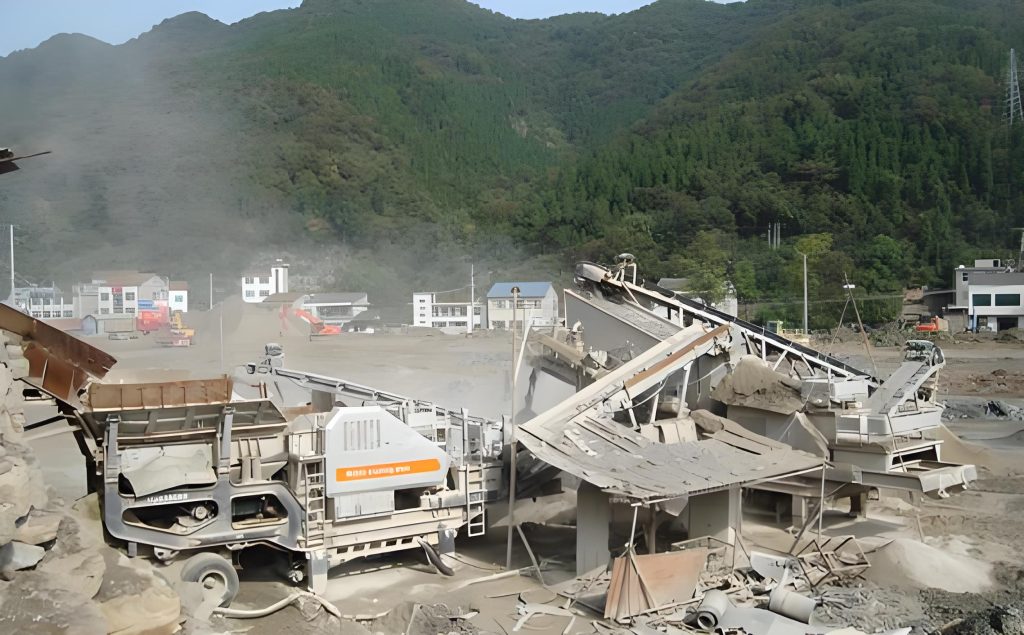
Top Chinese Mobile Crusher Manufacturers
Tier 1 – Globally Recognized Export Brands
SBM Mineral (SBM)
- Specializes in mobile jaw, cone, and impact crushers
- Strong presence in aggregates and mining EPC projects
- Known for advanced control technology and modular design
Tier 2 – Fast-Growing & Export-Oriented
Zhengzhou MiningAlliance Machinery Co., LTD
MiningAlliance positions itself between large Chinese manufacturers and international brands.
Rather than competing on scale or brand history, it focuses on project-based mobile crushing solutions, especially for tracked mobile crushers, tire mobile crushers, and mini mobile crushers used in small to mid-scale projects.
- Increasing export volumes to Latin America, Africa, and Southeast Asia
- Competitive pricing and customized plant configurations
- Strong after-sales parts supply compared to smaller domestic players
How do Chinese brands compare with international brands?
In China, there are several manufacturers supplying mobile crushing equipment, ranging from large comprehensive groups to more specialized companies.
Compared with international brands such as Metso, Sandvik, Kleemann, and Terex Finlay, Chinese manufacturers generally offer more flexible configurations and lower initial investment.
Among Chinese suppliers, companies like Liming Heavy Industry, SBM, and MiningAlliance focus on different segments, from standardized solutions to more project-oriented mobile crushing plants.